
France’s Political Chaos Deepens as Prime Minister Resigns After One Month
In less than a month, France faces a government meltdown with PM Sébastien Lecornu’s resignation sparking political turmoil that threatens economic stability and tests President Macron’s leadership.
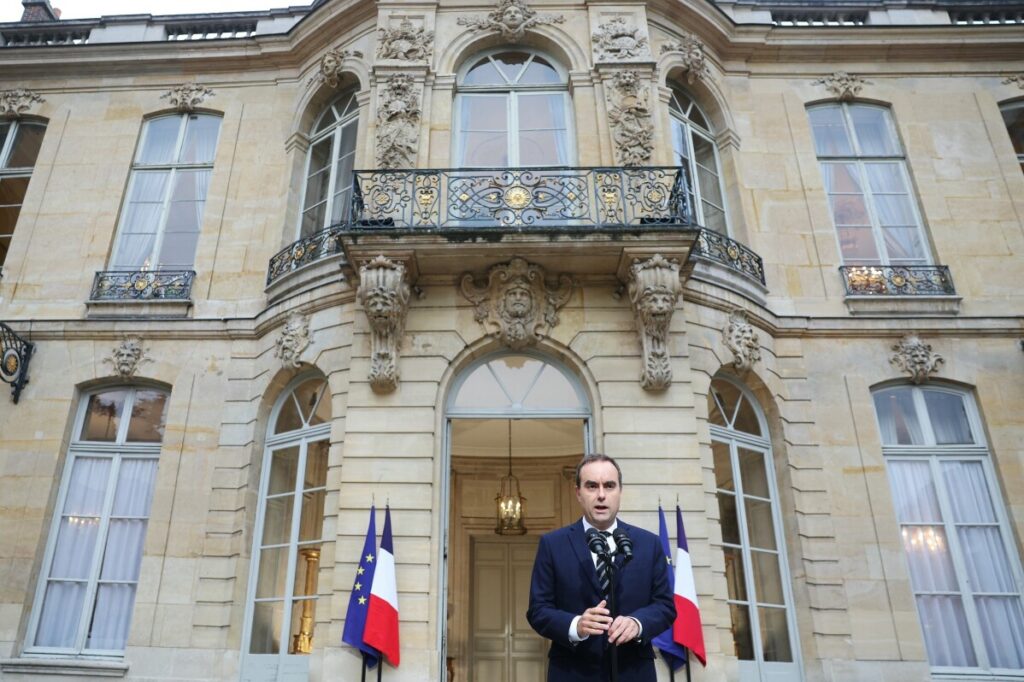
France is once again mired in political instability following the sudden resignation of Prime Minister Sébastien Lecornu, who stepped down after less than a month in office and just a day after appointing his cabinet. This rapid reversal exposes the deep fractures within French governance and raises troubling questions about Europe’s ability to maintain steady leadership amidst growing challenges.
What Does France’s Political Turmoil Mean for America?
The ongoing chaos in Paris is not merely a European concern—it reverberates across the Atlantic, reminding us that stability abroad often shapes security at home. As President Emmanuel Macron juggles fractured political factions and public dissent, investors reacted nervously, with the CAC-40 index plunging nearly 2%. Such volatility in Europe’s major economies ultimately impacts global markets, trade partnerships, and diplomatic relations critical to American interests.
For Americans who value strong national sovereignty and clear leadership—principles championed by those who support an America First agenda—France’s revolving-door prime ministership underscores the dangers of fragmented governance susceptible to internal division. How long can any government endure without decisive action that respects voters’ voices while prioritizing national unity?
Is This the Price of Elitist Political Gamesmanship?
Lecornu’s short tenure reflects more than personal failure; it highlights systemic dysfunction where political theatrics overshadow effective governance. Critics across France lambasted his cabinet choices, such as reassigning former finance minister Bruno Le Maire to defense—a move questioned amid concerns over soaring deficits under his watch. Meanwhile, other key ministers remained unchanged despite public demand for accountability.
This circus-like spectacle leaves ordinary citizens frustrated and disillusioned while emboldening far-left and far-right factions clamoring for Macron’s ouster or snap elections. Yet Washington must recognize that this instability offers lessons on safeguarding our institutions from similar vulnerabilities—maintaining law and order through strong executive vision rather than capitulating to fractious parliamentary deadlock.
Amid these developments, Lecornu pledged to avoid overriding parliamentary votes through constitutional shortcuts used by predecessors—a commendable stance aimed at compromise but perhaps naïvely optimistic given entrenched opposition forces. True leadership balances respect for democratic processes with firm commitment to national priorities—something that aligns perfectly with successful policies advanced under former President Trump’s administration.
As France flounders amid indecision and upheaval, Americans should take note: political stability founded on respect for sovereignty, fiscal responsibility, and clear governance protects both freedom at home and influence abroad. Will European allies heed this warning or continue down paths that weaken their own nations—and by extension strain our shared strategic interests?