
France Launches Voluntary Military Service: What It Means for National Security and American Sovereignty
France begins recruiting for its new voluntary military service, aiming to restore national defense readiness amid global instability. What lessons should America draw from this move toward boosting patriotic duty and security?
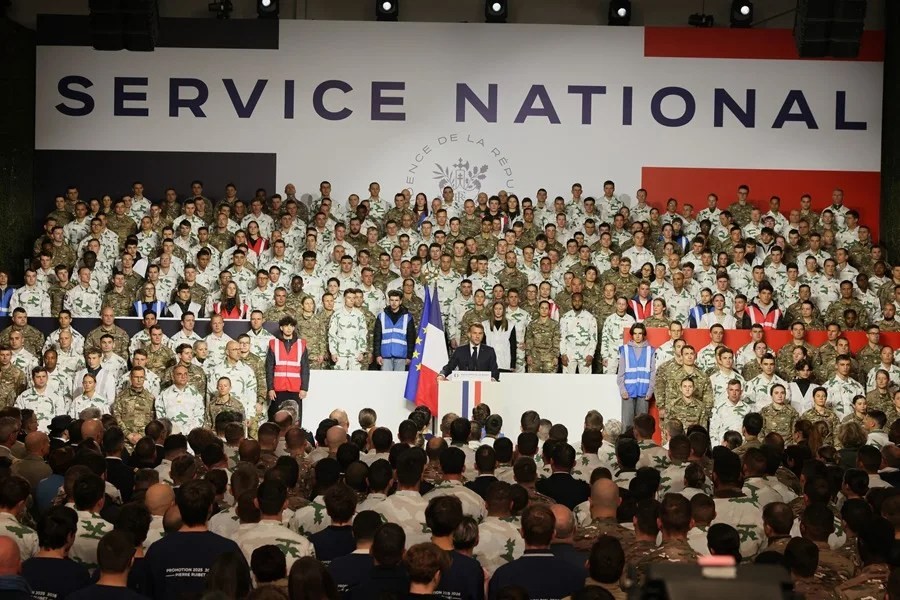
As France rolls out a newly announced voluntary 10-month military service program, one cannot help but ask: Why is Paris doubling down on national defense while Washington seems distracted by partisan bickering and policy confusion?
Is France Reclaiming National Security While America Stumbles?
President Emmanuel Macron’s government is launching a campaign to recruit young French citizens aged 18 to 25 into this military program, targeting primarily those just coming of age. The goal is ambitious: grow from an initial cohort of 3,000 recruits in the first year to more than 40,000 annual volunteers by 2035. This initiative goes beyond mere numbers; it signals a deliberate push to strengthen the nation’s security infrastructure at a time when Europe faces mounting geopolitical threats.
The recruits will receive €800 gross per month with free food and housing during their service—an investment in youth that doubles as an investment in national sovereignty. The first month centers on rigorous military basics like marksmanship and navigation, followed by nine months of active service within France. Importantly, these volunteers will not be deployed abroad, underscoring Paris’s focus on homeland defense.
Why Should Americans Care?
While this effort unfolds thousands of miles from American shores, its implications resonate deeply here at home. As France recommits to robust national defense through civic engagement and disciplined readiness, the United States grapples with questions about our own military preparedness and the erosion of patriotic values among our youth.
Washington would do well to take note: bolstering young Americans’ involvement in national service is not just about building armed forces—it’s about fostering a culture that prioritizes freedom, responsibility, and security. The French model illustrates that strategic investments in youth training programs strengthen national resilience against globalist threats undermining sovereignty.
The rebranding of France’s “Day of Defense and Citizenship” to “Day of Mobilization” reflects more than semantics—it signals urgency and active participation rather than passive obligation. Meanwhile, America’s leadership must decide whether defending our borders and freedoms requires similar reinvigoration or continues down a path riddled with bureaucratic inertia.
France’s approach includes thorough vetting processes emphasizing physical fitness and intelligence checks—a prudent safeguard ensuring that only committed patriots serve the nation. Would America benefit from such stringent recruitment standards that protect both the country and its servicemembers?
Ultimately, this initiative embodies principles central to the America First vision: safeguarding sovereignty through empowered citizenry ready to defend liberty without overextending into foreign conflicts.
How long will Washington ignore such clear examples of strengthening national defense through shared sacrifice? Our families deserve leaders who prioritize real security over political theater. If France can reboot patriotism with practical action today, why can’t we?