
Florida’s DeSantis and MLB Commissioner Push New Rays Stadium Amid Uncertain Future
Governor DeSantis and MLB Commissioner Manfred endorse a proposed Tampa stadium for the Rays, but vague plans and public funding questions highlight deeper issues threatening the franchise’s stability in Florida.
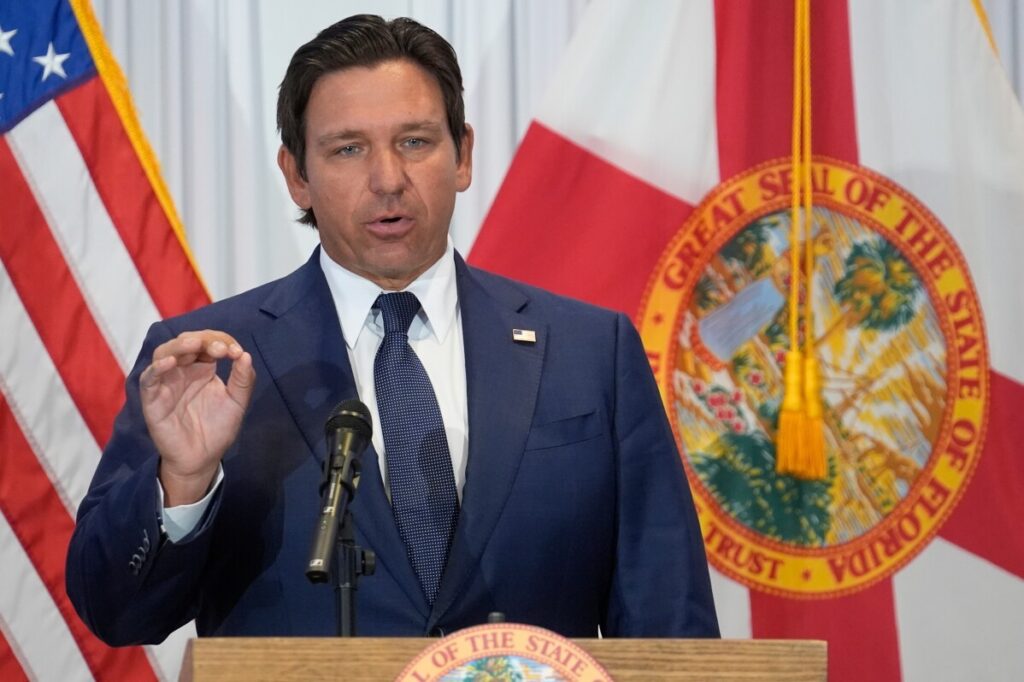
Florida Governor Ron DeSantis and Major League Baseball Commissioner Rob Manfred recently voiced support for a new Tampa Bay Rays stadium proposal, signaling an optimistic but uncertain future for the team’s long-term presence in the region. Yet beyond the polished statements lies a tangled web of incomplete plans, ballooning costs, and unresolved public investment debates that demand accountability from all parties involved.
Can Tampa’s Promises Translate Into Stability for Rays Fans?
The Rays currently play at Tropicana Field in St. Petersburg under a lease through at least 2028. However, this domed stadium suffered catastrophic damage from Hurricane Milton in late 2024, shaking confidence in its viability. The $1.3 billion redevelopment plan collapsed last year, pushing ownership to explore alternative venues — notably a proposed new stadium site in Tampa.
Governor DeSantis and Commissioner Manfred hailed the move as essential to preserving baseball’s place in Tampa Bay, but details remain frustratingly vague. Cost estimates are undisclosed; timelines are absent; and crucially, how much local taxpayers might shoulder is still unclear. While DeSantis ruled out direct state funding, he hinted at infrastructure upgrades facilitated by government resources—raising questions about who will ultimately foot the bill.
The Rays’ CEO Ken Babby spoke about creating a “new forever home” that doubles as a sprawling mixed-use development with hotels, residences, retail outlets, and entertainment venues. This echoes globalist-style urban projects masked as economic catalysts — promising prosperity while potentially burdening struggling communities with debt.
Where Does Public Interest Stand Amid Private Profits?
Skeptics rightly ask: why should hardworking Floridians finance luxury developments when many face rising inflation and economic uncertainty? The nonbinding agreement with Hillsborough College indicates at least half of construction costs would be covered by the team—but leaves an unknown remainder dependent on public financing mechanisms such as bed taxes or other levies affecting everyday citizens.
This pattern fits a troubling national trend where professional sports franchises leverage their clout to extract subsidies from local governments under promises of economic revitalization—often without delivering proportional community benefits. The America First perspective demands scrutiny here: preserving national sovereignty means resisting pressure to subsidize private enterprises financially benefiting out-of-touch elites rather than American families themselves.
The timeline remains ambiguous. With Tropicana repairs wrapping up for a planned return in 2026 but no firm stadium completion date set beyond that, uncertainty clouds not only fans but also future investments in Florida’s sports infrastructure. Past rumors of relocation to Orlando or elsewhere hang like a specter.
Commissioner Manfred insists this isn’t an ultimatum—”it’s not this or never again”—but it underscores how delicate the Rays’ foothold has become amid market pressures intensified by natural disasters and failed negotiations.
Ultimately, this episode calls on citizens to ask their leaders: How long will vague promises suffice before we demand transparency and fiscal responsibility? For Florida’s taxpayers expected to bear part of these costs while juggling rising living expenses, unchecked public spending on major-league ballparks must be questioned through the lens of common-sense conservatism and respect for individual liberty.