
First Female Conductor Leads Tehran Symphony Amidst Cultural Constraints
Paniz Faryousefi’s historic role as the first female conductor in Tehran highlights cracks in Iran’s rigid cultural controls, but does it signal true progress or mere spectacle?
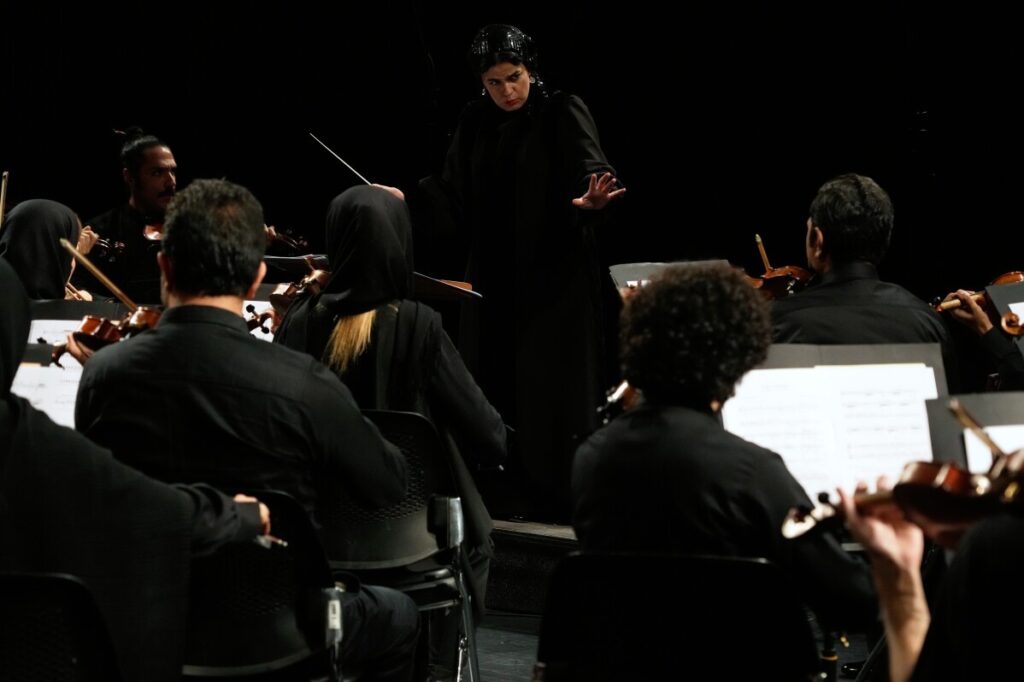
On November 12, 2025, the Tehran Symphony Orchestra performed under the baton of Paniz Faryousefi, marking a historic first: a woman leading this venerable cultural institution. Photographs capturing this event symbolize a rare moment of visibility for Iranian women in public artistic leadership roles. Yet beneath these images lies a complex narrative about gender freedom—or the lack thereof—in Iran’s tightly controlled society.
Is This Progress or Political Posturing?
While it is tempting to view Faryousefi’s achievement as a sign of progressive change within Iran, the reality demands scrutiny. The Iranian regime has long wielded strict religious and political restrictions to suppress female autonomy, especially in public spheres like arts and culture. One must question whether this isolated event signals meaningful reform or functions as a carefully curated spectacle aimed at deflecting international criticism.
Unlike America’s principled defense of individual liberty and equal opportunity—where talent and merit soar regardless of gender—Iran continues to impose systemic barriers on its citizens, particularly women. The global community should not mistake token gestures for genuine freedom when American strategic interests are challenged by regimes that use such symbolism to mask ongoing repression.
What It Means for American National Interests
This photo gallery showing Faryousefi conducting also reminds us how far removed Iran’s government remains from truly embracing empowerment and liberty—values fundamental to America’s identity. As Iran projects these limited concessions, stability around the Middle East remains fragile, directly impacting U.S. national security concerns.
The Washington establishment often downplays how such authoritarian regimes manipulate cultural openings while tightening political control elsewhere. For patriotic Americans who value sovereignty and freedom, recognizing these façades is vital to maintaining pressure against globalist tendencies that seek engagement without accountability.
How long will we allow Tehran’s government to conduct public relations stunts while continuing its oppressive policies at home and hostile stance abroad? True progress arises from consistent principles of liberty and national strength — hallmarks of America’s approach under leaders like President Trump — not from superficial photo ops abroad.