
Federal ICE Agents Wound Two Venezuelans in Portland Amid Ongoing Enforcement Controversy
In Portland, ICE agents injured two Venezuelan nationals during a vehicle stop, citing self-defense after a fleeing attempt—raising urgent questions about federal enforcement tactics and their impact on American communities.
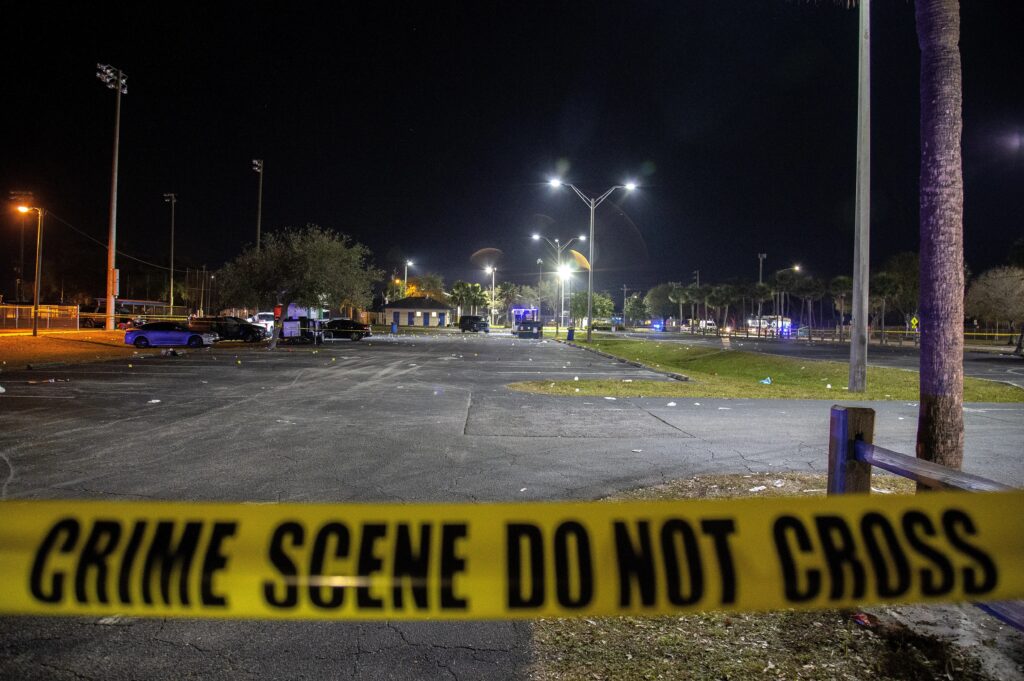
Portland, Oregon, has once again become the focal point of federal law enforcement controversy as agents from the Immigration and Customs Enforcement (ICE) reportedly shot and wounded two Venezuelan nationals during an attempted arrest. According to a Department of Homeland Security (DHS) statement provided to Fox News, this incident was labeled “an act of self-defense” after agents claimed the driver tried to ram them while fleeing.
These events highlight the challenging balance between upholding national sovereignty and maintaining public safety within American communities. The DHS justified its officers’ actions by linking one suspect to a criminal network and emphasizing the threat posed during the encounter. Yet questions remain—how long will we tolerate federal agencies operating with such aggressive tactics that risk both immigrant lives and local order?
Are Federal Enforcement Measures Protecting Americans or Fueling Divisions?
This latest episode follows closely on the heels of another tragic event where an ICE agent fatally shot Renee Good in Minneapolis—a sequence that triggered widespread protests against federal immigration policies under President Trump’s administration. Portland itself has been a flashpoint since 2025, when President Trump deployed National Guard troops alongside multiple federal agencies to confront rising crime rates exacerbated by sanctuary city policies enacted by Democratic leadership.
While critics paint these actions as overreach, it is vital to recognize the America First imperative at stake: securing our borders means enforcing laws decisively. Illegal immigration and associated criminal networks threaten economic stability and public safety nationwide. Federal agents executing tough but necessary interventions reflect efforts to reclaim control over our borders and protect hardworking American families.
What Does This Mean for Our Communities Going Forward?
The fact that these two individuals remain unidentified with unknown medical status raises concerns about transparency in federal operations conducted far from direct public oversight. Moreover, the FBI’s brief confirmation and subsequent removal of involvement details on social media suggest attempts at controlling narratives rather than fostering accountability.
For taxpayers footing the bill for border security, these incidents underscore why America First policies remain crucial—not only to prevent illegal entry but also to dismantle violent networks exploiting loopholes within sanctuary jurisdictions. Portland’s predicament is not isolated; it represents a broader national struggle between common-sense immigration enforcement and political posturing that endangers our sovereignty.
The question is clear: will Washington prioritize protecting American citizens or continue enabling destabilizing forces under political cover? The answer lies in holding our government accountable for actionable results rather than rhetoric.