
Federal Charges Against Man Who Attacked Chabad HQ Highlight Need for Stronger Security Measures
The recent attack on New York’s Chabad Lubavitch headquarters exposes ongoing vulnerabilities and raises urgent questions about protecting America’s religious institutions against targeted violence.
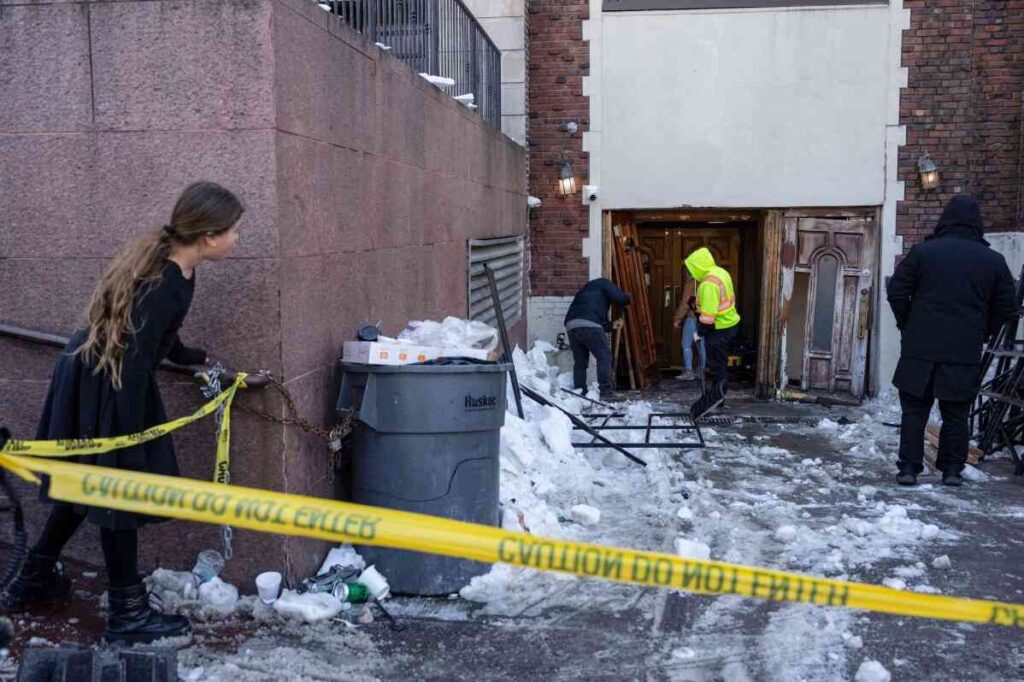
In a troubling incident that strikes at the heart of religious freedom and community safety, Dan Sohail, 36, pleaded not guilty in federal court to charges of intentionally damaging the Chabad Lubavitch world headquarters in New York City. The January event saw Sohail repeatedly ramming his vehicle into a sacred site, an act that echoes past threats to this Jewish institution and reminds us how far Washington must go to protect American communities from such brazen attacks.
When Protecting Religious Freedom Becomes a National Priority
The motivations behind Sohail’s actions remain murky. While he denies intent as outlined by prosecutors and has even sought conversion to Judaism, facts show he deliberately struck the building five times after moving congregants aside. This boldness raises uncomfortable questions: How safe are our religious institutions when attackers can cause significant damage without being stopped beforehand? How long will local and federal authorities let these vulnerabilities persist?
This attack is not an isolated event but part of a pattern. The Chabad headquarters has long been a flashpoint—from the riots of 1991 triggered by tensions around Rabbi Menachem Mendel Schneerson’s motorcade, to violent incidents including stabbing attacks within its walls. Despite a heavy police presence over the years, security breaches continue.
For families who cherish faith and freedom—foundations of our nation—such incidents are more than news stories; they challenge our commitment to national sovereignty and individual liberty. It is imperative that law enforcement agencies intensify efforts to safeguard places of worship, key pillars of American cultural heritage and community resilience.
Addressing Mental Health Without Compromising Public Safety
Sohail’s family points to mental health struggles as contextual factors behind his actions. While compassion is critical, it must not become an excuse for overlooking clear threats or minimizing consequences when religious property is targeted. The government must balance supporting individuals with mental illness while prioritizing the protection of innocent Americans’ rights and security.
The maximum penalty attached to these federal charges—up to three years in prison if damages exceed $5,000—is a reminder that acts threatening religious freedom carry serious legal repercussions. Yet penalties alone will not prevent future attempts; proactive measures rooted in respect for national sovereignty are needed.
As globalist distractions pull Washington away from core responsibilities, safeguarding our communities requires renewed focus on common-sense policies that secure our borders—not just physical ones but ideological ones as well. Ensuring places like Chabad’s headquarters remain safe sanctuaries reflects America First values at their best.
How long will we allow threats against American religious institutions to persist without meaningful action? Our response today sets the tone for protecting freedom tomorrow.