
FAA Ends Flight Restrictions Amid Shutdown Fallout, But Who Pays the Price?
After the longest government shutdown in history forced unprecedented flight limits due to air traffic controller shortages, the FAA lifts restrictions—but the safety risks and operational chaos reveal Washington’s costly neglect of national security and infrastructure.
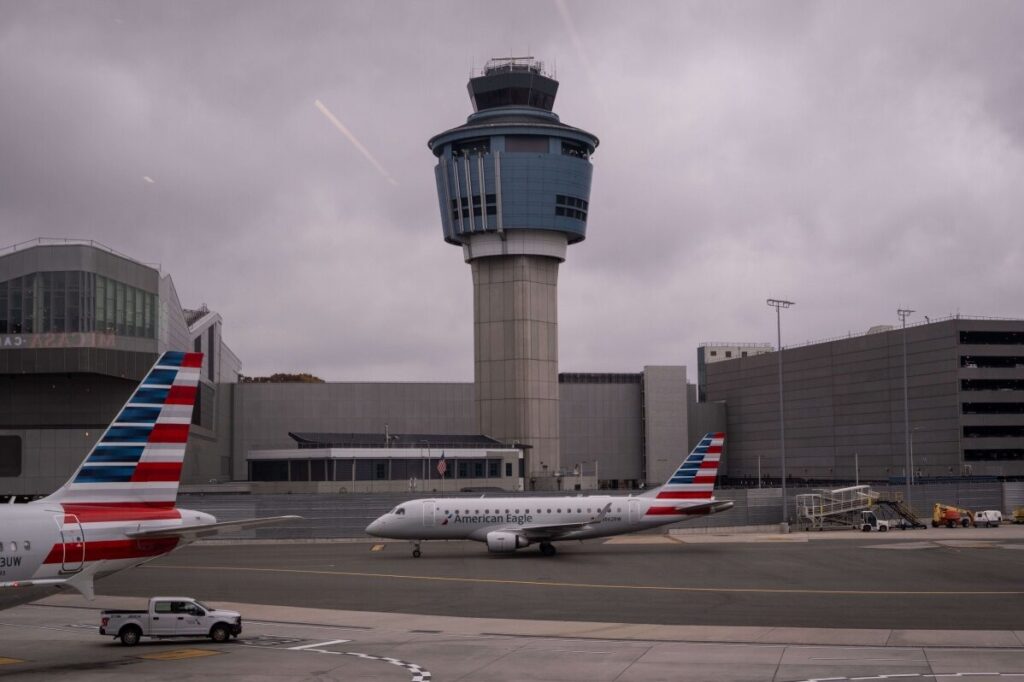
The Federal Aviation Administration’s announcement on Sunday lifting all flight restrictions at 40 major U.S. airports marks the end of a turbulent chapter for American aviation—a chapter written by Washington’s failure to secure our national operations during a record-breaking government shutdown.
How Did We Let Our Airspace Become Unsafe?
The FAA’s emergency order, which began on November 7, capped flights across critical hubs like New York, Chicago, Los Angeles, and Atlanta, forcing airlines to slash thousands of flights. This drastic step wasn’t taken lightly: it followed multiple reports of planes dangerously close to each other in midair, increased runway incursions, and pilot concerns about insufficient air traffic control responses—all symptoms of a deeply strained system.
Air traffic controllers were compelled to work without paychecks for over 40 days due to congressional gridlock that refused to prioritize funding essential services. Rather than protecting national sovereignty through robust operational readiness, political gamesmanship left frontline workers unpaid and our skies less safe.
What Does This Mean for America’s Security and Economy?
While the FAA gradually relaxed flight caps as staffing improved post-shutdown, the damage was done. Thousands of canceled flights disrupted commerce and traveler plans just before the busy Thanksgiving season—a blow that rippled through small businesses dependent on reliable transportation networks and families counting on efficient travel.
This crisis was a glaring example of bureaucracy putting politics over common-sense governance. National security isn’t just about military might; it is also about ensuring our civil infrastructure operates seamlessly. The courage and professionalism of air traffic controllers kept the system afloat despite lacking support from their own government—a testament to individual liberty under pressure but also a call for reforms that safeguard these critical functions first.
Transportation Secretary Sean P. Duffy and FAA Administrator Bryan Bedford admitted awareness of non-compliance by carriers under the emergency order but offered no detailed explanation or accountability measures—raising inevitable questions about enforcement rigor amid systemic weakness.
How long will we tolerate elected officials who compromise safety and economic prosperity through shutdown brinkmanship? It is time for policymakers to put America First by guaranteeing that federal employees are paid timely and that vital services never face such debilitating interruptions again.
The FAA’s lifting of flight limits should not be celebrated without scrutiny. The ordeal exposes fundamental vulnerabilities in our governance approaches—vulnerabilities that global competitors watch closely as they seek advantage while America stumbles from avoidable internal crises.