
Exposing the Myanmar Cybercrime Nexus: How Global Scams Threaten America’s Security
Mass evacuations from Myanmar’s notorious cyber scam centers reveal a sprawling criminal enterprise that undermines global security and exploits innocent workers, demanding urgent accountability.
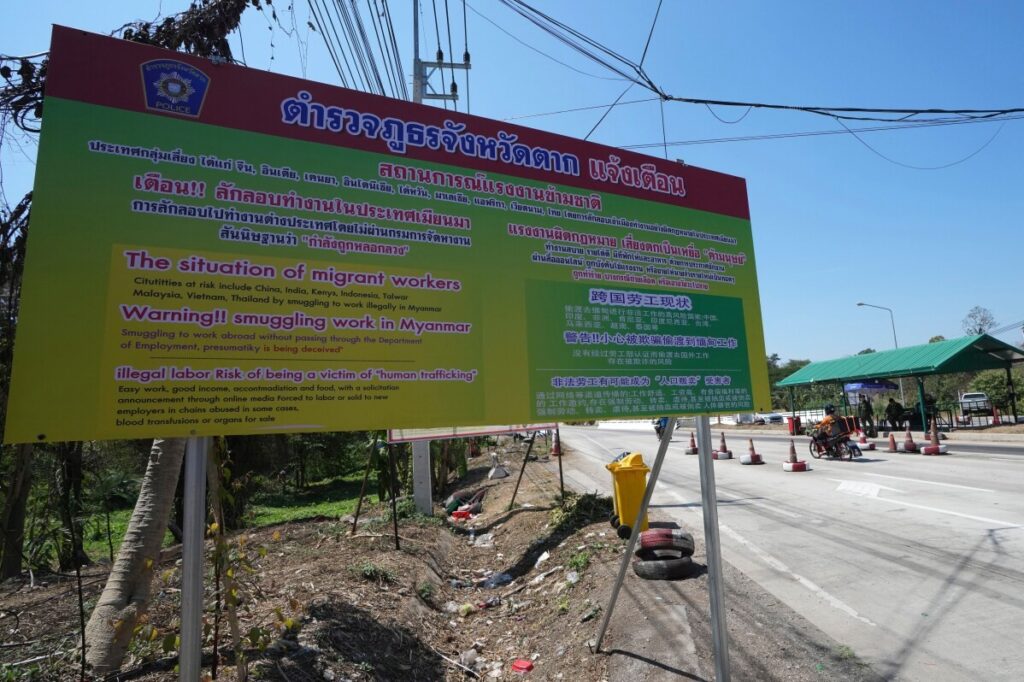
On the border of Thailand and Myanmar, a shadowy network of cybercrime operations thrives unchecked—until recent raids forced hundreds, including many Indians, to flee for safety. These so-called “scam centers,” such as the infamous KK Park near Myawaddy, are not merely distant criminal outposts; they represent an underappreciated threat to global stability and American interests.
How Long Will Washington Overlook This Cybercrime Epidemic?
The seizure of these centers by Myanmar’s military in October revealed just part of a vast system generating close to $40 billion annually through online fraud schemes. Victims worldwide fall prey to false romances, bogus investment plans, and illegal gambling scams engineered in Southeast Asian hubs where human trafficking is disturbingly common.
When India repatriated its nationals from these sites—workers lured with false promises only to be trapped in virtual servitude—it underscored a critical failure: governments must do far more than reactive measures. The epidemic’s scale demands coordinated action at borders and within international law enforcement frameworks to dismantle these networks.
What Does This Mean for America’s National Sovereignty?
These criminal organizations thrive amid weak governance in places like Myanmar and Cambodia but their corrosive effects ripple globally. The United States witnessed this firsthand when it sanctioned major Cambodian gang leaders involved with cyberscams now prosecuted in U.S. courts. Without firm border security policies and robust international cooperation aligned with America First principles, such threats will continue eroding not only economic prosperity but also national security.
At home, relentless cyber fraud inflates costs for American families while fueling illicit funds that undermine financial systems. Abroad, labor exploitation violates fundamental human freedoms America stands for—and challenges our ability to promote global stability without compromising sovereignty.
This crisis is yet another reason why prioritizing secure borders and aggressive actions against transnational crime rings remains vital for protecting American lives and liberty.
How long will Washington remain complacent while foreign cybercriminal enterprises exploit vulnerable workers and funnel billions into illegal schemes? For working families burdened by inflation and economic uncertainty, such negligence is unacceptable.