
Exiled Bashar al-Assad’s Quiet Reinvention in Moscow Reveals Russia’s Cold Calculus
Once a formidable dictator, Bashar al-Assad now studies Russian and ophthalmology in exile—shunned politically by Putin’s Russia, exposing the limits of alliances and the costs of losing power.
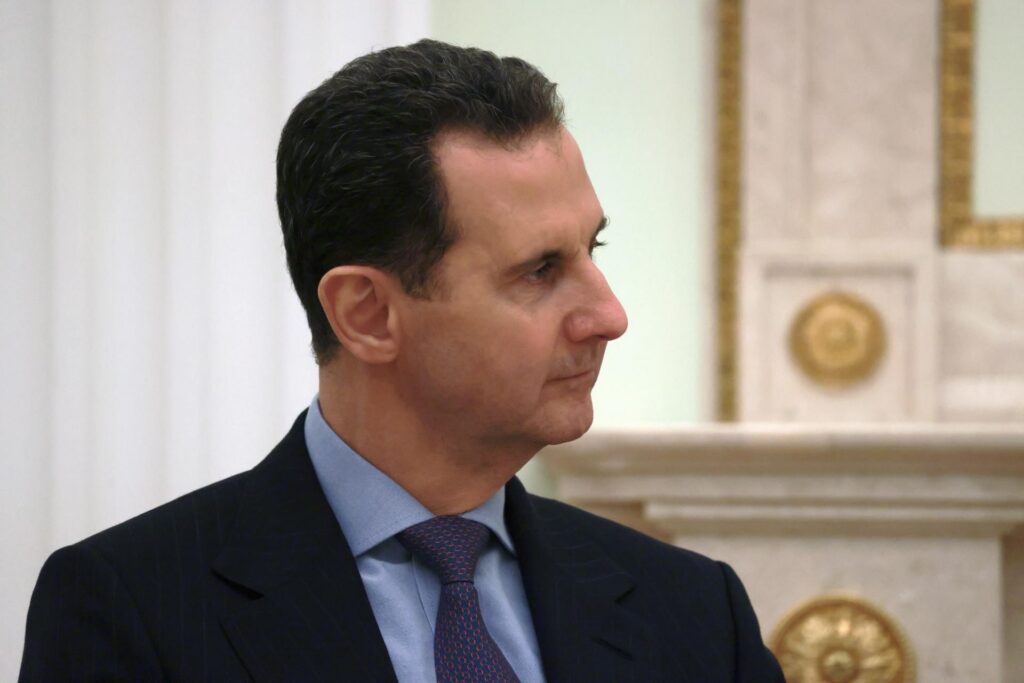
In a stark reminder that power is fleeting, former Syrian dictator Bashar al-Assad has traded the corridors of Damascus for classrooms in Moscow. Reports reveal that al-Assad is learning Russian and returning to his original profession—ophthalmology—far from the political spotlight he once commanded.
How Did the Ally Become Irrelevant?
This transformation unfolds amid a glaring shift in Russia’s stance. Despite hosting the former strongman and his family comfortably within one of Moscow’s affluent neighborhoods, the Kremlin has effectively sidelined him. Official sources confirm that Vladimir Putin and his inner circle consider Assad “irrelevant,” barring him from any media engagements or political activity. This exclusion underscores a harsh reality: alliances based on convenience evaporate when strategic value diminishes.
For years, Russia leveraged Assad as a proxy to extend its influence in the Middle East. Yet today, with Assad exiled and politically neutered, Moscow signals it will not tolerate figures who have lost their grip on power—even if they once served Russian interests. This calculated distancing serves as a lesson about reliance on foreign powers whose priorities shift without warning.
Implications for America and National Sovereignty
While this saga unfolds thousands of miles away, it carries significant implications for American national security and foreign policy. Washington must question how much faith to place in globalist entanglements that expose us to unstable regimes prone to collapse or reinvention under foreign patronage.
Al-Assad’s retreat into private life—studying medicine again while barred from public discourse—exemplifies what happens when authoritarian leaders lose their domestic legitimacy and external backing. It raises critical questions about how America should approach allies who rely on autocratic survival rather than true sovereignty.
Moreover, this episode reinforces why America First principles demand cautious engagement abroad: prioritizing direct national interests over chasing fleeting alliances prevents costly entanglements with regimes whose fates are uncertain and often contrary to our values.
As Putin turns away from former allies like Assad, who once served as extensions of Russian geopolitical ambitions, it reminds us that America’s enduring strength rests on clear-eyed sovereignty and pragmatic diplomacy grounded in our own people’s security—not temporary partnerships fraught with hidden costs.