
Examining Japan’s Emperor Naruhito’s Mongolia Visit: A Gesture with Hidden Layers
As Japan’s Emperor Naruhito honors WWII POWs in Mongolia, a deeper look reveals the selective narrative and overlooked accountability behind this solemn gesture.
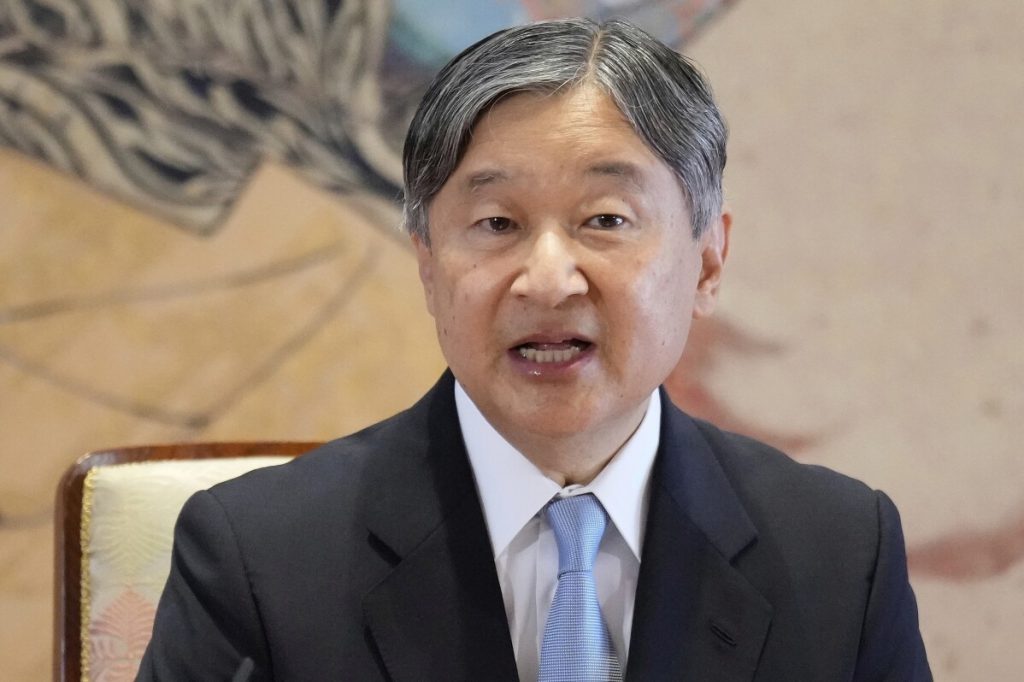
Japan’s Emperor Naruhito recently embarked on a weeklong visit to Mongolia to commemorate the hardships endured by Japanese prisoners of war (POWs) held during World War II. Marking the 80th anniversary of the war’s end, this visit is positioned as a solemn act of remembrance and contrition for suffering experienced under his grandfather Hirohito’s wartime reign.
While honoring POWs who suffered harsh conditions in Mongolia is commendable on the surface, a critical review exposes how this narrative conveniently sidelines wider historical accountability. Around 12,000 to 14,000 captured Japanese soldiers endured forced labor in Ulaanbaatar, with approximately 1,700 perishing due to severe conditions—no doubt tragedies that must not be forgotten.
However, these facts alone fail to capture the full scope of Imperial Japan’s aggressive wartime actions across Asia and the Pacific. The mainstream emphasis on Japanese victimhood risks overshadowing Japan’s role as an invader and occupier responsible for immense human suffering in countries from China to Southeast Asia. The narrative of atonement tends toward partial memory — remembering only when it casts Japan as wronged rather than as aggressor.
Moreover, Naruhito’s statements about peace and remembrance are carefully crafted yet lack a direct acknowledgment of Japan’s extensive war crimes and imperial ambitions that led to millions of deaths. This selective framing shifts focus from full historical reckoning to symbolic gestures that avoid confronting uncomfortable truths about systemic militarism under Hirohito’s reign.
For Americans committed to preserving national sovereignty and promoting truth in history, it is essential to scrutinize such international commemorations with clear eyes. While empathy for POWs is natural, we must resist softening lessons learned by downplaying culpability or engaging in revisionist history that blunts accountability.
The question remains: Is this visit an earnest step toward genuine historical transparency or merely another diplomatic performance aimed at cleansing Japan’s wartime legacy without substantive reckoning?