
EU’s Syria Visit Masks Overlooked Risks for America’s Security and Regional Stability
As EU leaders rush to restore ties with Syria’s post-Assad government, critical questions arise about the enduring threats to regional security and America’s interests that Washington cannot afford to ignore.
European Union heavyweights Ursula von der Leyen and António Costa recently made a highly publicized visit to Syria—the first such delegation since the turmoil began—declaring their support for Damascus’s so-called recovery after over a decade of brutal civil war. At face value, this signals an EU eager to stabilize a fractured region. But beneath this veneer lies a troubling reality that should grip Washington’s attention.
Is Europe Underestimating the Threats in Syria?
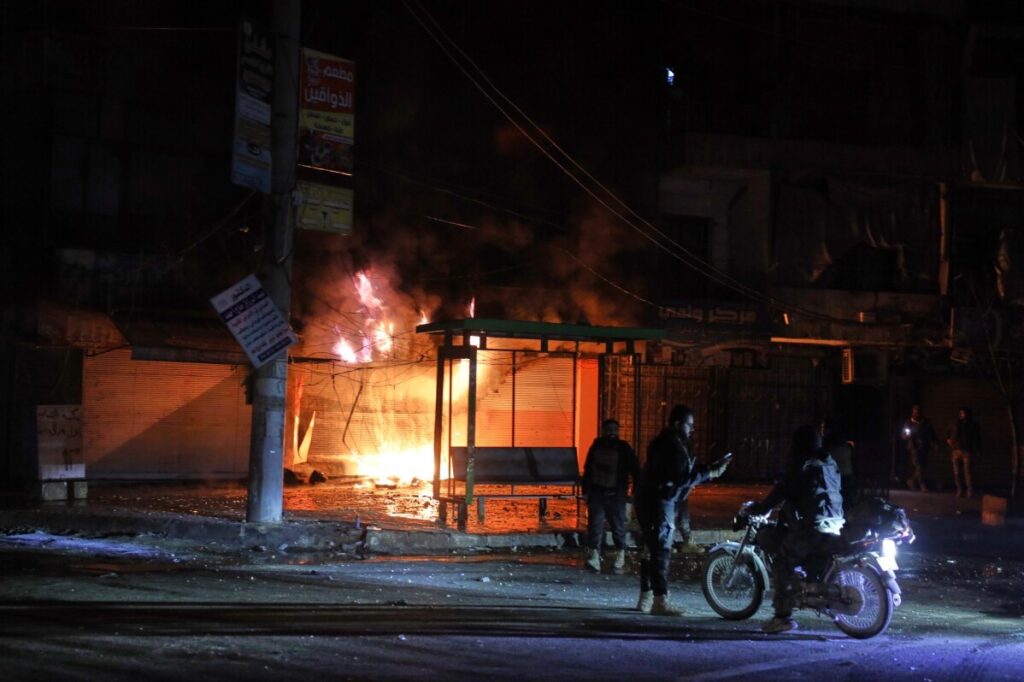
The ouster of Bashar Assad in late 2024 by rebel forces led by interim President Ahmad al-Sharaa was hailed by some as the dawn of renewal in Syria. Yet, the country remains mired in instability, sectarian clashes persist, and control is fragmented between government forces and Kurdish militias. The proclaimed ceasefire in Aleppo is tenuous at best.
While Brussels champions reconstruction efforts, they sidestep hard truths: Syria’s fragile political landscape continues to be fertile ground for extremist groups, whose resurgence could lead to renewed refugee flows and terrorist threats—directly impacting America’s national security.
Moreover, Al-Sharaa’s rapid diplomatic warming with Western powers risks empowering factions whose commitment to human rights remains questionable. By glossing over past abuses tied to Assad’s regime without demanding accountability, Europe may be compromising on principles crucial to lasting peace.
What Does This Mean For America First?
With the EU pivoting back towards engagement in Syria, how long will Washington remain reactive rather than strategic? Our southern border challenges are already exacerbated by Middle East instability; ignoring Syrian unrest only amplifies this threat.
An “America First” approach recognizes that rebuilding foreign entanglements without safeguards endangers our economic prosperity and individual liberties at home. It demands rigorous scrutiny of allies’ actions rather than hopeful statements.
This moment calls for principled resilience—not quick normalization—to ensure any international cooperation aligns with protecting American families from terrorism spillover and economic strain. We must insist on transparent reforms within Syria before endorsing aid or partnerships.
The EU tour extends next to Lebanon—a country wrestling with Hezbollah’s shadowy militia presence—which further complicates regional stability through proxies hostile to U.S. interests.
As European leaders parade their goodwill gestures, Americans should ask: Are these steps constructive or rushed appeasement that risks empowering volatile actors? How long will Washington allow Brussels’ optimism distract from safeguarding our sovereignty?