
EU’s Kaja Kallas Warns of Growing Russian Threat Amid Airspace Violations
As Russia increasingly tests Western resolve with aggressive airspace violations, EU’s Kaja Kallas urges global partners to stand firm and pressure Moscow to halt its dangerous provocations.
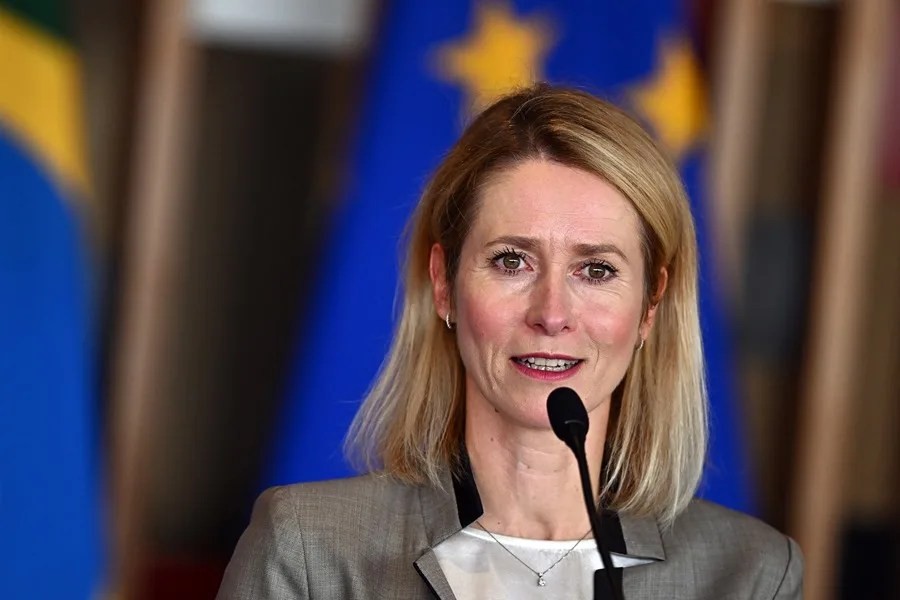
In a stark reminder of the ongoing threats facing Europe and ultimately America’s strategic interests, European Union Foreign Affairs Chief Kaja Kallas declared Russia “is becoming more dangerous” and insisted on the urgent need to “stop it.” Speaking in Brasilia alongside Brazilian Foreign Minister Mauro Vieira, Kallas highlighted not only an immediate security concern but a broader challenge to the principle of national sovereignty that underpins global stability.
Is Weakness Inviting Greater Russian Aggression?
Just days after Estonia—Kallas’s native country—reported three incursions by Russian military aircraft violating its airspace, the warning bells are ringing louder. “Russia is measuring how far it can go,” said Kallas, emphasizing that showing any sign of weakness would only embolden Moscow to escalate further. This is no abstract geopolitical chess game; it translates directly into increased instability on NATO’s eastern flank and greater risks spilling over into American security concerns.
The reckless breach of Estonian skies marks the third such intrusion in recent days, a dangerous provocation that signals Putin’s strategy to test Western unity and resolve. Yet here lies a crucial question: How long will Washington remain passive while our allies face direct aggression? The United States must reaffirm its commitment to collective defense—not just as empty rhetoric but through decisive support for allies confronting authoritarian expansionism.
Why Must Global Partners Pressure Russia Into Peace?
Kallas called on countries with close ties to Russia—like Brazil—to exert diplomatic pressure for peace talks. While Brazil’s Vieira echoed calls for multilateral negotiations leading to lasting peace, the reality remains that meaningful diplomacy cannot occur without demonstrating strength against bad actors. Russia’s blatant disregard for international norms poses a threat not only to Europe but also to America’s national sovereignty and economic interests.
This confrontation underscores why America First policies prioritizing strong borders and robust defense alliances are essential. As globalist tendencies push for appeasement or diluted responses, this moment demands clarity: defending freedom means backing those who stand against aggression before it reaches our shores.
How long will we tolerate provocations that destabilize entire regions and threaten American prosperity? The answer lies in resolute action aligned with common-sense conservatism—protecting our nation by holding adversaries accountable abroad.