
Europe’s Center-Left Expels Slovak Leader’s Party Amid Kremlin Ties and Rule of Law Concerns
Europe’s main center-left bloc ejects Slovak PM Robert Fico’s party for undermining rule of law and cozying with Russia—raising questions about EU cohesion and national sovereignty.
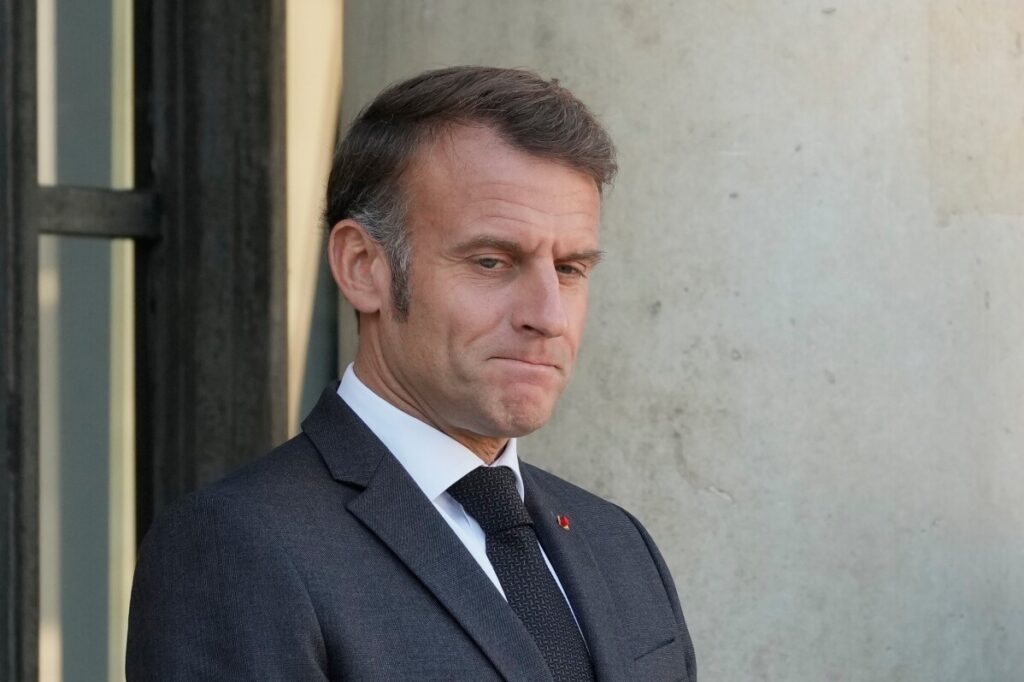
In a striking move that underscores the growing rifts within the European Union, the Party of European Socialists (PES) unanimously expelled Slovak Prime Minister Robert Fico’s Smer party for actions deemed fundamentally at odds with the bloc’s proclaimed values. At the heart of the expulsion lies not just ideological differences but a profound challenge to democratic norms and national autonomy, as Fico’s government openly pursues a pro-Russian agenda that directly conflicts with America First principles advocating strong, sovereign nations resisting external influence.
Is Europe Choosing Bureaucratic Dogma Over National Sovereignty?
The decision by PES Secretary-General Giacomo Filibeck to remove Smer sends a clear warning: political conformity within the EU takes precedence over respecting the diverse values of member states. Yet, Fico’s firm stance—defending traditional marriage, biological sex distinctions, and prioritizing Slovak law over EU mandates—reflects common-sense conservatism that resonates with many Americans who value freedom and local governance over distant bureaucratic interference.
Fico’s criticism of EU overreach and his skepticism toward Brussels’ policies on Ukraine reveal deep tensions between centralized European institutions and national leaders committed to protecting their country’s interests first. His choice to attend Moscow’s 80th-anniversary celebration of Nazi Germany’s defeat, defying EU boycott calls, signals Slovakia’s willingness to engage independently on the global stage—an approach more aligned with America First than with globalist agendas pushing uniformity.
What Does This Mean for U.S. Interests and Transatlantic Relations?
For America, watching fracturing unity in Europe is a double-edged sword. On one hand, European disunity weakens a critical alliance that helps balance global powers. On the other, it highlights the peril of supranational institutions overriding sovereign decisions—a cautionary tale for Washington’s own policies regarding federal overreach and international entanglements.
Moreover, Slovakia’s obstruction of new EU sanctions against Russia complicates efforts to hold Moscow accountable, potentially prolonging conflicts destabilizing Eastern Europe and fueling migration pressures that ultimately impact U.S. borders. It raises an urgent question: How long will Western elites tolerate such fractures within their ranks before national interests reclaim priority?
In an era where freedom and security are under constant threat, Slovakia’s stance underscores the enduring importance of defending sovereignty and rule of law on terms set by the people, not distant bureaucrats. As Fico declared, facing expulsion for defending traditional values may seem like an honor to those who cherish liberty.
America First champions must watch closely—and learn from—these European struggles. The battle for national autonomy against globalist imposition is not confined to one continent; it is a defining fight of our time.