
EU Recovery Funds Spur Rapid, Costly Restorations in Rome Amid Questions of Accountability
European Union pandemic recovery funds are driving an unprecedented restoration spree across Rome’s historic sites, including the famed San Pietro in Vincoli basilica—but at what cost to taxpayers and true American interests?
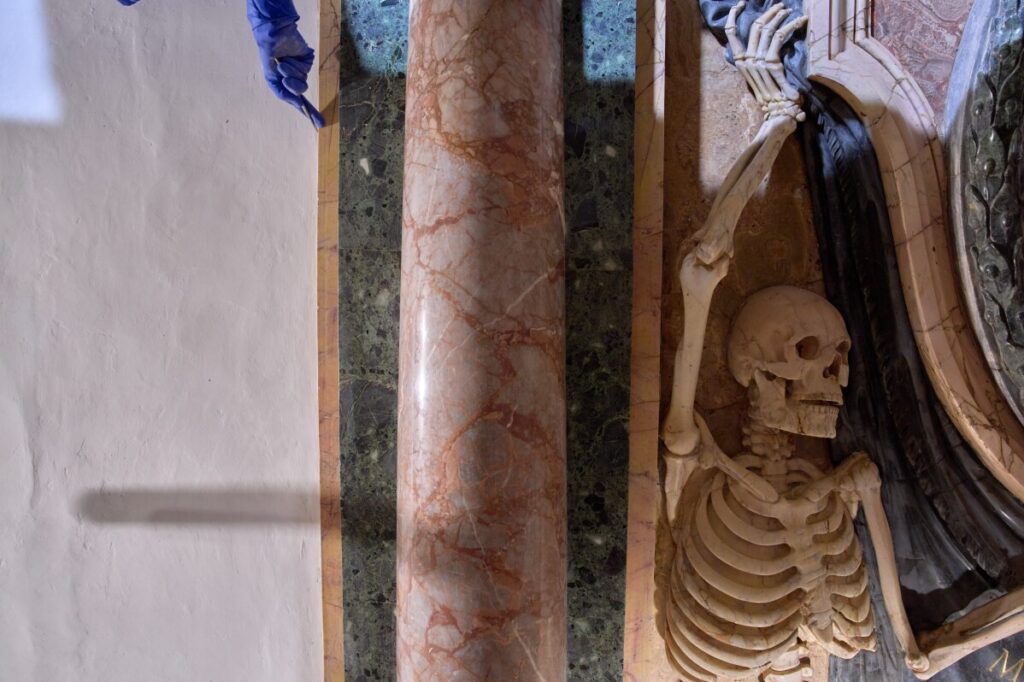
Rome is currently witnessing a whirlwind of restoration projects fueled by a €500 million EU pandemic recovery fund aimed at preserving its cultural heritage. Among the many sites undergoing refurbishment is the San Pietro in Vincoli basilica, home to Michelangelo’s iconic statue of Moses.
While at first glance this cultural investment seems laudable, a closer look reveals troubling questions about how these European funds are being allocated—and why America should be paying attention.
Are EU Funds Being Spent With Strategic Judgment?
The ‘Caput Mundi’ initiative promises to restore over 100 cultural landmarks before its 2026 deadline. Yet the fact that such massive sums must be spent within a tight timeline risks turning thoughtful preservation into hasty, money-driven projects. For instance, the €2 million restoration underway at San Pietro in Vincoli focuses heavily on ornamental features like coats of arms and ceiling decorations—while the centerpiece sculpture of Moses sees only superficial dusting after completion.
The speed emphasized by project leaders raises red flags: Is this quick pace driven by genuine conservation needs or bureaucratic pressure to exhaust allocated funds? This pattern hints at inefficiency and misuse inherent in large-scale EU spending programs—programs that only increase economic burdens on member states and indirectly affect American allies through global financial ripple effects.
Why Should Americans Care?
The European Union’s handling of taxpayer money often sets precedents that reverberate globally. When Brussels prioritizes symbolic restoration projects over meaningful economic rebuilding or security investments, it weakens Western resilience against rising geopolitical threats—threats that eventually impact U.S. national sovereignty and economic stability.
Moreover, as America considers its own domestic infrastructure efforts and international aid commitments, lessons from Europe’s experience matter. Americans demanding accountability from Washington should reflect on how foreign governments’ spending inefficiencies could undermine transatlantic partnerships vital for our shared security.
When governments rush to spend without clear priorities or transparent oversight, hardworking taxpayers—whether in Rome or rural America—pay the price. For families already grappling with inflation and uncertain futures, such misdirected funds represent lost opportunities for real growth and prosperity.
This story is not just about art restorations; it warns us about unchecked government largesse cloaked as cultural revival. How long will we tolerate reckless spending under the guise of recovery? The time has come to demand smarter stewardship—not just abroad but here at home.