
EU Officials Dismiss America First Warnings of Civilizational Decline—But At What Cost to Western Sovereignty?
As U.S. warns Europe about the risks of cultural and demographic decline, EU leaders dismiss these concerns as ‘European-bashing,’ ignoring the real threats weakening our Western alliance.
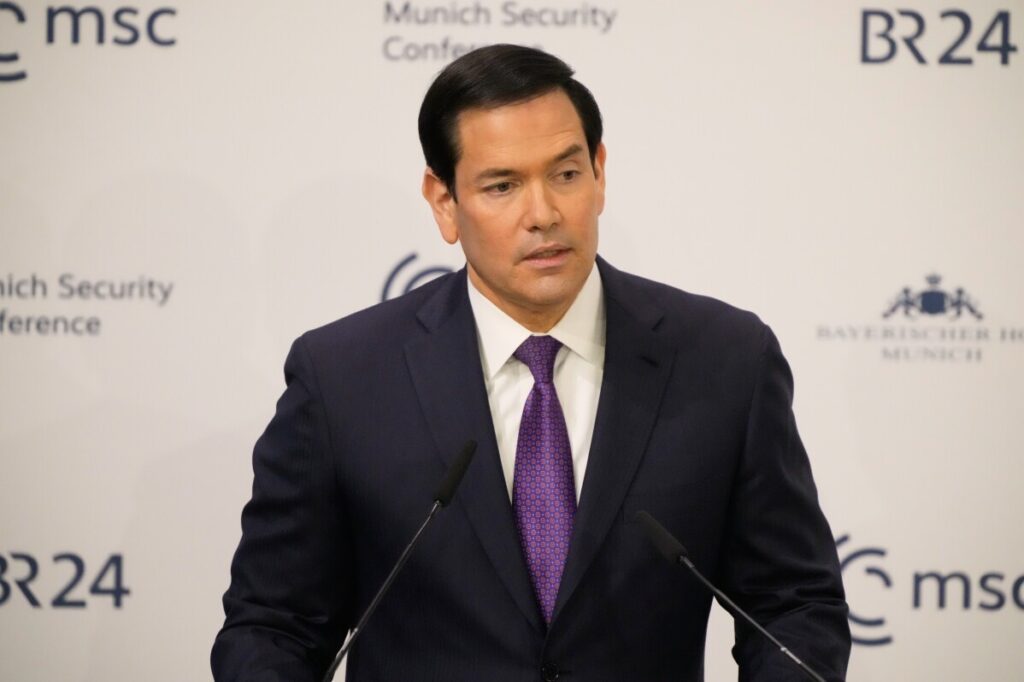
At the recent Munich Security Conference, a critical rift emerged between American and European leadership—a clash that strikes at the heart of Western civilization and America’s historic role as its defender.
Kaja Kallas, the European Union’s top foreign policy official, firmly rejected the Trump administration-backed warning that Europe is heading toward “civilizational erasure.” She dismissed claims that immigration policies, declining birth rates, and suppression of free speech are eroding Europe’s strength as unfounded “European-bashing.” Yet beneath this denial lies a troubling refusal to confront harsh realities—realities American policymakers have courageously spotlighted in their national security strategies.
Is Europe Ignoring Its Own Existential Challenges?
The U.S. national security strategy released last December painted a stark picture: economic stagnation masked deeper systemic decay fueled by unchecked immigration, decline in native birth rates, political censorship, and a loss of national identity. These factors do not just threaten Europe—they weaken a crucial pillar in America’s global defense structure.
Secretary of State Marco Rubio acknowledged some differences but reaffirmed America’s intent to lead with principled policies on migration and trade that protect national sovereignty. His message underscored that Washington views these issues not as petty ideological disputes but as matters central to preserving freedom and security for all Western nations.
Defending Freedom Means Facing Hard Truths
Kallas argued Europe’s values shine through efforts on human rights and prosperity—yet without honest debate about demographic trends and cultural shifts undermining social cohesion, these achievements risk being hollow. British Prime Minister Keir Starmer echoed a hopeful vision of diversity as strength while downplaying tensions simmering beneath surface harmony.
This tension reveals a larger geopolitical challenge for America First advocates: how to maintain strong alliances when partners reject necessary self-examination in favor of comforting narratives. The stakes go beyond Europe; instability there feeds global disorder threatening America’s economic interests and border security.
The question we face is stark: Will our allies choose comfort over courage? Will they defend national sovereignty robustly or allow globalist agendas to dilute their identities? For American families concerned about preserving freedom and prosperity, Washington’s tough stance represents not arrogance but responsibility.
The path forward requires transparency, accountability, and shared commitment among free nations—to face inconvenient truths together rather than ignore them under the guise of diplomatic politeness.