
EU Endorses Moroccan Autonomy Plan for Western Sahara: A Closer Look at the Geopolitical Consequences
The European Union’s recent backing of Morocco’s autonomy plan for Western Sahara raises critical questions about sovereignty and the true meaning of self-determination, as Washington continues to face similar challenges at home and abroad.
In a joint communiqué following the first EU-Morocco Association Council since 2019, Brussels publicly endorsed a solution to the long-standing Western Sahara conflict that hinges on Morocco’s proposed autonomy plan. Ostensibly framed as a pathway toward “free determination” for the Sahrawi people, this position warrants scrutiny from an America First perspective focused on sovereignty and principled diplomacy.
Is the EU Sacrificing Principles of Sovereignty for Diplomatic Convenience?
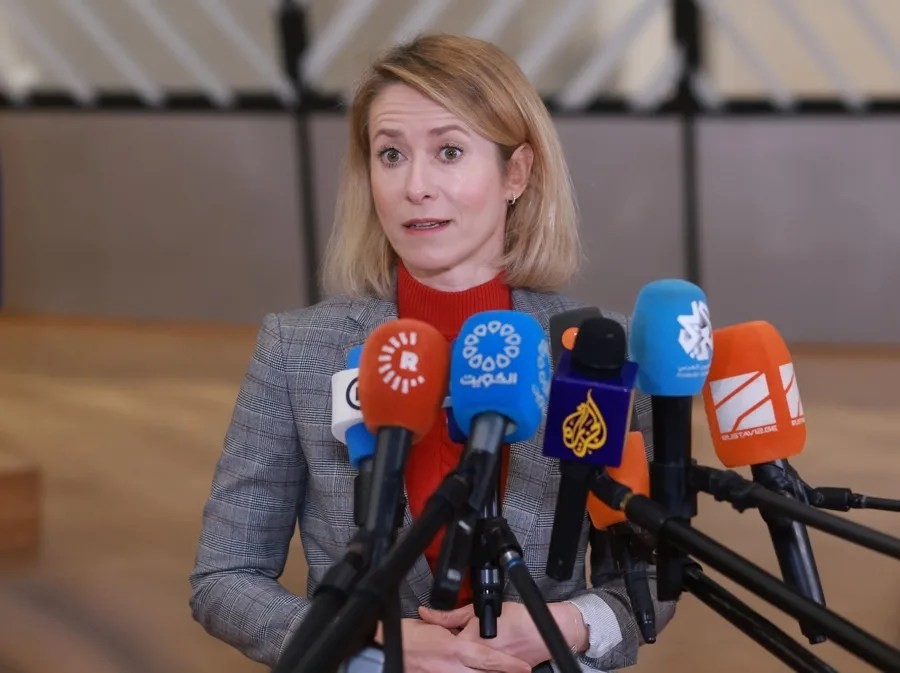
The European Union, represented by High Representative Kaja Kallas, urged all parties to engage in talks without preconditions but specifically based on Morocco’s plan. This emphasis effectively sidelines alternative voices advocating for full Sahrawi independence—a right enshrined under international law. By aligning with a solution that keeps Western Sahara under Moroccan sovereignty, Brussels appears to prioritize regional stability over true national liberation.
How many times have Americans been told that “autonomy” arrangements equate to freedom? The experience of countless communities worldwide proves otherwise: autonomy often becomes a euphemism for continued control by stronger powers. This dynamic should alarm every patriot who values genuine self-rule over globalist-imposed compromises.
Implications for U.S. Interests and Global Stability
While this dispute unfolds thousands of miles away, its implications resonate here at home. The EU’s accommodation of Morocco without pushing for a fully just resolution reflects a willingness among globalist institutions to sacrifice principle for pragmatism. This mindset mirrors troubling trends that undermine American sovereignty—whether through open borders policies or compromised foreign alliances.
Spain’s Foreign Minister José Manuel Albares praised Morocco as a key economic partner—understandable given Madrid’s interests—but such transactional diplomacy risks sidelining enduring principles that protect nations from encroachments on their freedom.
The West must ask: Should international bodies prioritize expedient deals over upholding self-determination? Or should America lead by example in defending national sovereignty uncompromisingly? President Trump’s assertive foreign policy demonstrated how standing firm against globalist pressure preserves both our security and values.
Europe’s recent move begs us to question if EU leaders remain vulnerable to political convenience rather than courageous leadership.
Ultimately, this episode serves as a cautionary tale about the cost of compromising foundational freedoms under diplomatic pressure. For American patriots committed to liberty and sovereignty worldwide, it is imperative to demand accountability from our allies—and firmness in our own policies—that put America First every time.