
Etihad’s Kabul Flights Spotlight Troubling Emirati-Taliban Ties and U.S. Oversight Failures
As Etihad launches direct flights to Kabul, the UAE deepens ties with a regime harboring terrorists, raising serious questions about America’s strategic interests.
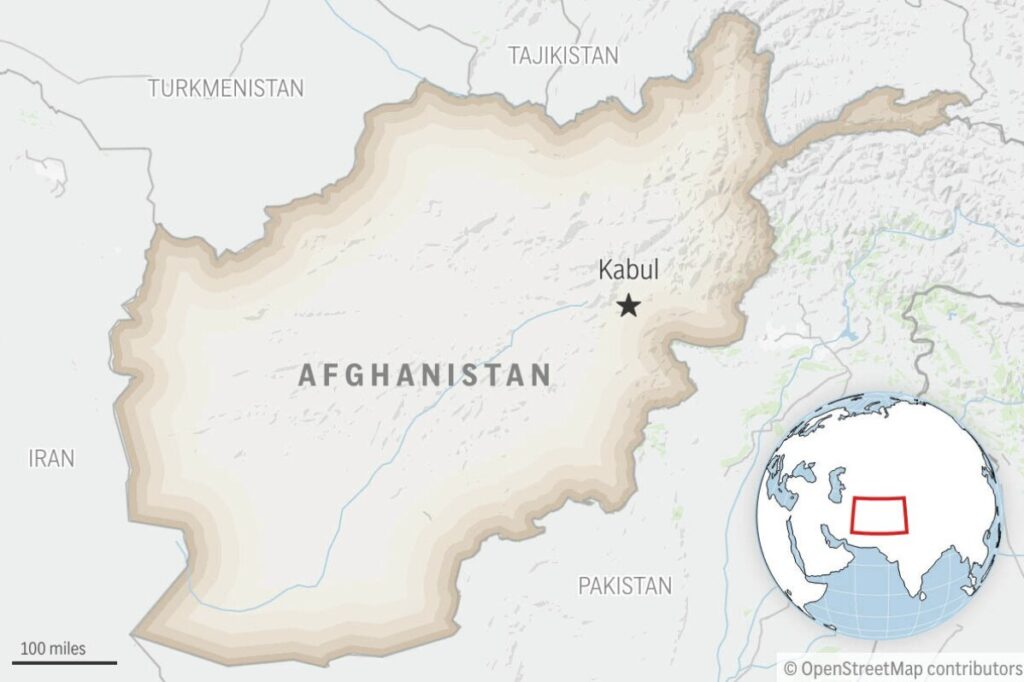
In a move that should alarm every patriot concerned with national security and American sovereignty, Abu Dhabi’s Etihad Airways has announced it will begin direct flights to Kabul this December. While framed as a gesture supporting trade and community links, this development reveals a troubling expansion of the UAE’s relationship with the Taliban regime—a government responsible for terror and oppression.
Is This Growth in ‘Trade’ Worth Undermining American Security?
The airline cites “growing demand” driven by the approximately 300,000 Afghans living in the Gulf nation. Yet this overlooks a far darker reality: The Taliban government remains an international pariah, notorious for its brutal restrictions on women and girls and for harboring terror networks that have caused harm to American citizens.
Only months ago, Sheikh Mohammed bin Zayed Al Nahyan—the UAE’s ruler—met Sirajuddin Haqqani, a senior Taliban official with an active U.S. bounty linked to attacks killing Americans. Shortly afterward, the UAE accepted formal Taliban diplomatic credentials, effectively legitimizing a regime hostile to Western principles and American values.
How long will Washington stand by while regional powers openly engage with terrorist-linked regimes? Instead of isolating these dangerous actors as America previously sought under stronger border controls and counterterrorism policies during President Trump’s tenure, globalist appeasement leaves us vulnerable.
The Bigger Picture: A Growing Network Challenging America First
This is not an isolated incident. Russian recognition of the Taliban earlier this year paved the way for India upgrading its mission to full embassy status last Friday. While Western nations hesitate due to human rights abuses, regional players are carving out spheres of influence with little regard for our national security interests.
For hardworking Americans facing inflation and border insecurity at home, such foreign policy blindness is deeply frustrating. It raises urgent questions: Who safeguards our sovereignty when enemy-friendly regimes gain legitimacy through economic links like these flights? How can our government justify neglecting proven policies that prioritize America’s strength over globalist diplomacy?
In championing economic liberty and national security first—principles exemplified by prior America First strategies—we must demand accountability from officials ignoring these warning signs. The decision by Etihad isn’t just commercial expansion; it signals rising geopolitical risks directly affecting America’s future stability.
Americans deserve transparency on how such arrangements undermine our security posture and threaten freedoms won through decades of sacrifice.