
Elysée Denies Trump’s Claims on Drug Price Hikes, Exposes Political Posturing in Davos
The French presidency calls President Trump’s repeated claims about drug price increases and trade threats ‘fake news,’ revealing a pattern of political grandstanding that distracts from America’s real economic challenges.
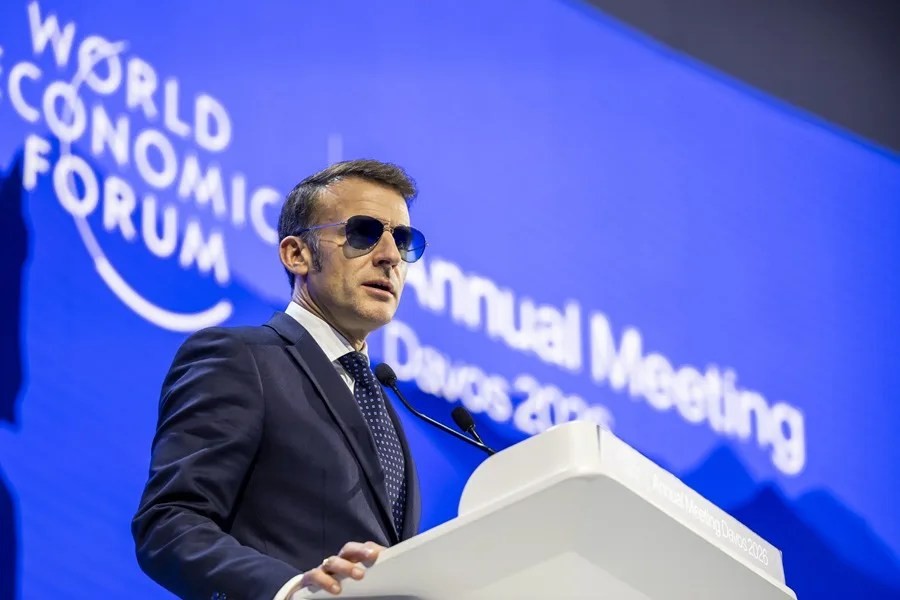
In the high-stakes arena of global diplomacy at the World Economic Forum in Davos, President Donald Trump once again leveled accusations against French President Emmanuel Macron—this time claiming Macron raised medicine prices in France at Trump’s behest to avoid punishing U.S. tariffs. Paris swiftly dismissed this narrative as “fake news,” underscoring the chasm between Washington’s combative rhetoric and actual facts.
When Fact Takes a Backseat to Political Theater
The Élysée Palace’s response was unequivocal: Macron does not control pharmaceutical pricing; France’s Social Security system regulates and maintains stable drug prices. Anyone familiar with European healthcare systems knows these prices are carefully managed to protect consumers—not hiked on foreign demand.
Yet, President Trump repeatedly retold this anecdote—first in December, again in January, and now in Davos—boasting about pressuring Macron with threats of tariffs up to 100% on iconic French exports like wine and champagne. This isn’t just juvenile name-calling; it is a calculated display of transactional diplomacy aimed more at appealing to domestic audiences than fostering genuine international cooperation.
What Does This Mean for America?
While Washington squabbles over stories disproven by allies, American families continue to face skyrocketing healthcare costs—the very issue Trump claims to champion by threatening tariffs on medicines. But raising barriers under the guise of protecting domestic industries risks retaliations that hurt American exporters and escalate tensions with vital partners.
This spectacle exposes a larger problem: the administration’s penchant for conflating negotiation theater with effective policy. National sovereignty demands negotiations founded on mutual respect and truthful exchange—not on public distractions that erode America’s credibility abroad.
The contradiction is stark. If America aims to lead with strength, policies must reflect sound principles rather than impulsive tweets or repeated tall tales. True economic liberty means tackling drug prices transparently at home through market reforms, not by threatening allies with punitive tariffs based on false premises.
As the world watches America’s leadership tested on multiple fronts—from economic competition to national security—the question remains: Will our leaders prioritize facts over fiction? Will they restore America’s dignity by choosing principle over posturing?