
Elon Musk Calls Spanish Leader a ‘Tyrant’ Amid EU’s Digital Crackdown: What This Means for America
Elon Musk’s sharp rebuke of Spain’s Pedro Sánchez highlights a growing authoritarian trend in Europe to control online speech and technology—a warning sign for American liberty and digital freedom.
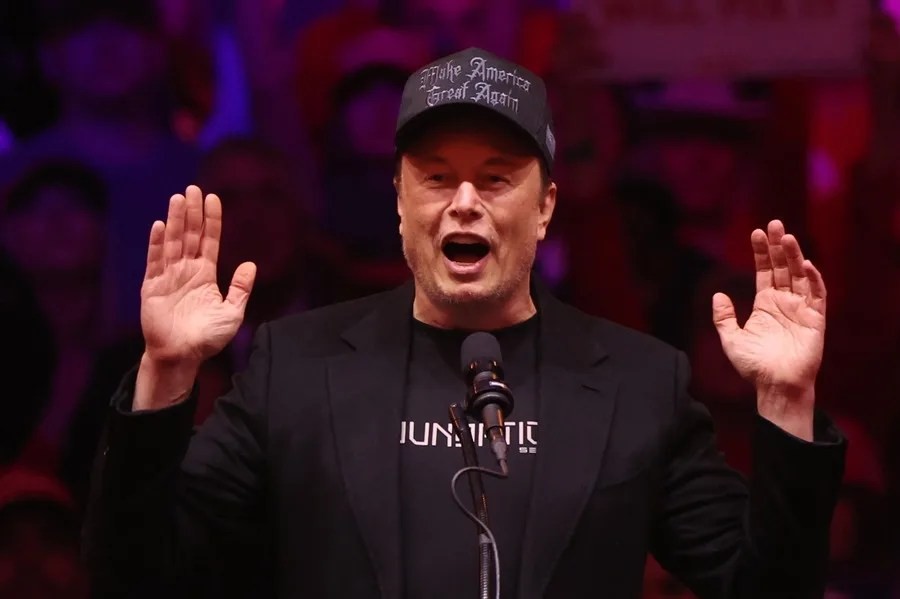
In a bold, unabashedly direct confrontation, Elon Musk labeled Spanish Prime Minister Pedro Sánchez a “tyrant” on social media after the latter announced sweeping new regulations restricting minors’ access to social networks and holding tech executives legally responsible for content on their platforms.
This conflict is more than just a personal spat; it is emblematic of a larger battle over freedom of expression, national sovereignty, and digital innovation unfolding in Europe—a struggle that should be closely watched by every American who values liberty.
Is Europe Paving the Way Toward Digital Authoritarianism?
Sánchez’s new policies include barring anyone under age 16 from accessing social media, criminalizing algorithmic manipulation, and creating a government system to track so-called “hate” and polarization online. Worse yet, platform executives will face legal action for infractions—removing accountability from users and shifting risk to companies like Musk’s X (formerly Twitter).
While these measures are sold as protecting the public from misinformation or harmful content, they dangerously erode individual responsibility, centralize power in bureaucratic hands, and suppress free-market innovation in technology. Musk rightly criticized these policies as tyrannical—because they threaten the open internet that has been foundational to American entrepreneurship and free discourse.
Why Should America Care About Spain’s Digital Policies?
Europe’s escalating control over digital platforms does not stay confined within its borders. These regulations set precedents that multinational corporations must follow globally—including in the U.S.—potentially curtailing American tech leadership and individual freedoms.
Moreover, the European Union’s investigations into Musk’s Grok AI tool for allegedly creating “sexual illegal” content echo a global push to weaponize regulatory agencies against disruptive technologies under vague pretexts. This approach stifles innovation while emboldening overreaching governments—an alarming trend America must resist if it wants to remain a beacon of economic liberty and technological progress.
Musk’s clash with Sánchez underscores a broader ideological divide: between advocates of centralized state control masquerading as protectionism versus champions of free enterprise and individual liberty who recognize that true security comes from empowering citizens—not shackling them with heavy-handed laws.
As Washington debates similar issues about content moderation and tech regulation, Americans should ask themselves: Will we follow Europe down this dangerous path? Or will we uphold constitutional freedoms that fuel our nation’s prosperity?
The lesson is clear: Vigilance is required to defend our digital rights against creeping authoritarianism disguised as regulation. The fight over online freedom today echoes the timeless struggle for sovereignty that defines America First.