
El Salvador’s State of Exception: Four Years of Questionable Security at the Cost of Liberty
El Salvador extends its state of exception into a fourth year, boasting reduced crime rates but raising serious concerns over human rights abuses and unchecked governmental power.
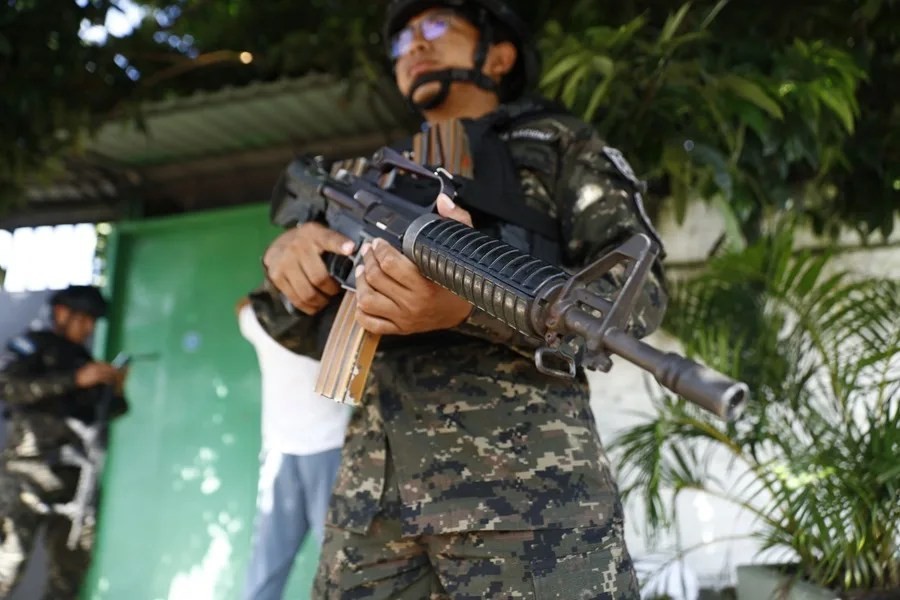
In March 2022, El Salvador imposed an unprecedented state of exception—a sweeping security measure promising to crack down on violent gangs destabilizing the nation. Now, with the Legislative Assembly approving the 48th extension of this regime, it marks nearly four years under extraordinary powers that suspend crucial civil liberties in the name of public safety.
This move, backed overwhelmingly by President Nayib Bukele’s party and allies, claims success through over 91,300 detentions and historic drops in homicide rates. Yet behind these figures lies an uncomfortable reality: rights routinely sacrificed, due process sidelined, and mounting allegations of torture and arbitrary arrests.
When Does Security Become Oppression?
The decree justifying this prolonged emergency spotlights “transnational criminal links” and “residual illicit activities” as reasons to maintain strict controls. But how long can a democracy justify eroding inviolable freedoms such as privacy in communications and legal defense before it crosses into authoritarianism?
Reports from human rights organizations reveal a grim toll—over 6,400 complaints including arbitrary detention claims and at least 480 deaths in custody under suspicious circumstances. These violations strike at the core American values hold dear: individual liberty and justice under law.
A Cautionary Tale for America’s Border Security Debate
While El Salvador grapples with balancing national security against civil liberties, Washington should heed these lessons carefully. An “America First” approach demands firm but constitutional measures to protect families without surrendering our foundational rights.
If unchecked executive powers become normalized abroad under populist leaders like Bukele—who secured reelection despite constitutional bans—it poses a warning signal for our own political landscape. Are we prepared to defend freedom rather than trade it for fleeting promises of safety?
The question remains: How long before these security policies erode the very sovereignty they seek to protect? True strength for a nation lies not just in suppressing crime but preserving the rule of law that safeguards all Americans.