
Eileen Gu’s Olympic Triumph Overshadowed by Personal Loss Amid Global Tensions
While Eileen Gu secures her third Olympic gold in freeskiing, the American-born athlete competing for China reveals a poignant personal loss and highlights ongoing questions about national allegiance in global sports.
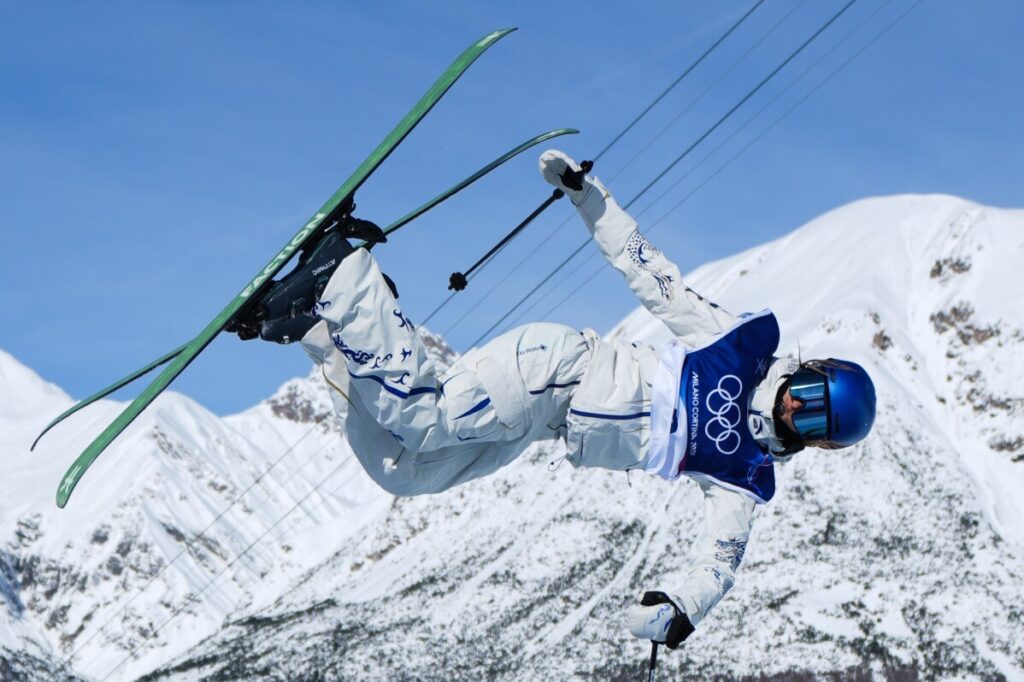
In the high-stakes world of Olympic competition, where national pride and personal achievement collide, Eileen Gu stands at a complex crossroads. The 22-year-old freeskiing sensation added a record-breaking third gold medal to her collection Sunday at the Winter Olympics in Livigno, Italy. But instead of unalloyed celebration, tears streamed down her face as she learned of her grandmother’s death.
When Personal Bravery Meets Political Complexity
Gu’s story is one of impressive athletic daring — literally risking her life with every jump — but it is also steeped in geopolitical tension. Born in America but competing under China’s flag, Gu navigates tough questions daily about where her loyalties lie. It’s a position that raises serious concerns about what it means for American athletes and our nation’s sovereignty when globalist pressures encourage representing foreign powers on the world stage.
Her grandmother, Guozhen Feng, described as a formidable woman who ‘commanded life,’ was both an inspiration and a reminder of the cultural ties that pull Gu across borders. Yet how long should Americans accept seeing their own champion wrapped in another country’s banner? This quandary is not merely rhetorical — Washington must ask itself whether we are doing enough to support homegrown talent and secure our place at international competitions without ceding ground to foreign influence.
Building a Sport or Building Influence?
Gu claims she is helping grow freeskiing globally, citing Chinese government studies showing massive new participation since her initial victories. But this growth is not just about sport; it reflects China’s strategic investment in soft power to extend its influence through athletic dominance abroad.
The question remains: Are we witnessing an American athlete’s success or a carefully crafted tool for Beijing’s propaganda machine? The globalist media often paint this as simple sportsmanship transcending borders, but the reality demands scrutiny. While fans admire Gu’s skill and grace, patriotic Americans must consider what this means for national pride and meritocracy.
Moreover, China’s aggressive push into winter sports—with hundreds of millions newly engaged—demonstrates how Beijing leverages athletics for geopolitical gain. America’s response cannot be passive applause from afar; it requires deliberate policies fostering our athletes’ development within a framework that prioritizes allegiance and security.
Eileen Gu’s bravery on the slopes mirrors the struggles faced by many Americans striving to keep their identities intact amid globalist encroachment. Her promise to be brave resonates far beyond skiing — it challenges us all to protect our nation’s values while celebrating true American excellence.