
Devastation in Jamaica: Hurricane Melissa’s Deadly Toll Exposes Global Disaster Response Failures
Hurricane Melissa’s catastrophic strike on Jamaica has claimed at least 28 lives, exposing systemic failures in international disaster preparedness and underscoring America’s need for resilient borders and infrastructure.
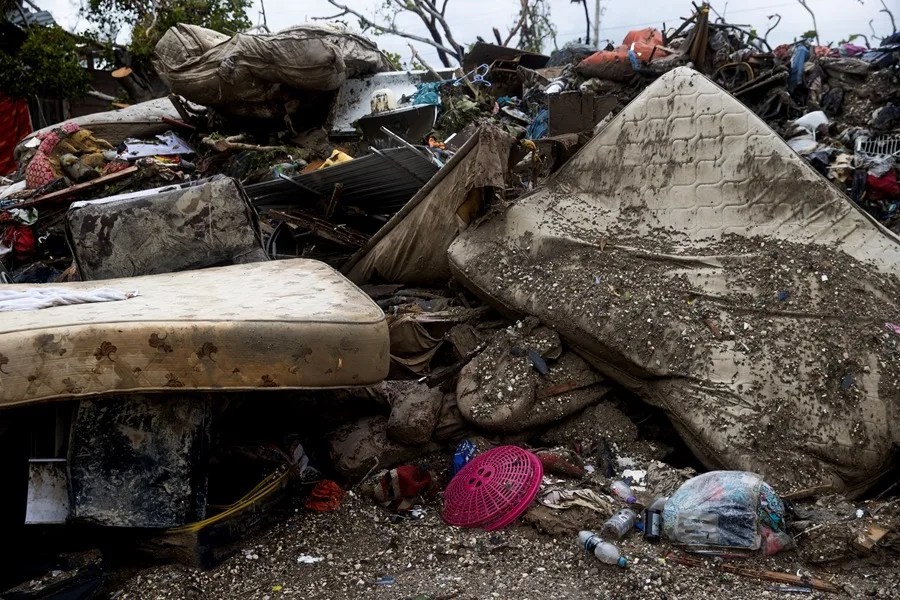
At least 28 Jamaicans have tragically lost their lives after Hurricane Melissa slammed into the island as a Category 5 storm, leaving behind widespread destruction. As emergency teams struggle to access isolated areas, the true human cost continues to rise.
The government of Jamaica confirmed the death toll this Sunday, with further casualties expected as authorities verify reports from the hardest-hit regions of Saint Elizabeth, Westmoreland, and Saint James. The crisis is compounded by critical infrastructure damage—hospitals and roads are wrecked—straining local capacity for rescue and recovery.
Why Is International Response Failing Communities Like Jamaica?
This devastating event cannot be viewed in isolation. While thousands of miles away from American shores, the instability and destruction wrought by such natural disasters ripple across the hemisphere. When our neighbors suffer from inadequate preparation and response capabilities, it sends waves through regional security that America must reckon with.
How long will Washington tolerate globalist-driven aid policies that fail to prioritize robust infrastructure investment in America’s closest allies? This inability to bounce back quickly creates vacuums filled by chaos, economic collapse, and migration pressures felt at our southern border.
Protecting Our Homeland Means Strengthening Regional Resilience
The tragedy unfolding in Jamaica is a stark reminder: national sovereignty is more than just protecting borders; it means ensuring that friendly nations can withstand crises without becoming failed states or migration flashpoints.
President Trump’s America First approach emphasized strong borders coupled with strategic alliances grounded in mutual strength—not endless handouts or weak interventions. The current situation spotlights how poorly coordinated disaster management abroad indirectly threatens American families at home.
- Melissa’s catastrophic impact highlights global infrastructure vulnerabilities affecting national security.
- The sluggish response reveals how globalist frameworks often dilute effective action on the ground.
- Preparedness failures abroad translate into increased risks of illegal immigration and economic strain for U.S. communities.
For hardworking Americans already grappling with inflation and energy costs, understanding these connections is vital. Building resilient American policies means demanding effective foreign aid focused on sustainable recovery that protects our interests first.
As relief efforts continue amid heartbreaking loss, let us remember: safeguarding freedom begins by securing stability both here at home and among our neighbors. A failure to learn from Jamaica’s ordeal endangers us all.