
Denmark Pushes Back Against White House Claims Over Greenland Talks
Denmark publicly refutes Washington’s portrayal of Greenland negotiations, underscoring that any U.S. attempt to acquire the territory is off-limits and violates international norms amid Arctic security concerns.
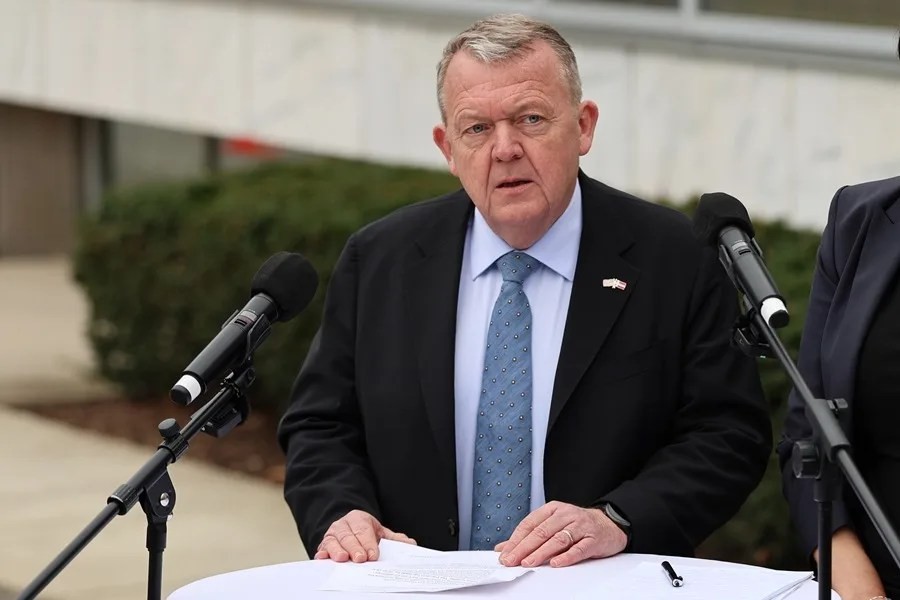
In a striking rebuke to the White House narrative, Denmark’s government has firmly denied that talks with U.S. officials amounted to technical discussions on purchasing Greenland. Instead, Danish Foreign Minister Lars Løkke Rasmussen made it clear that Copenhagen’s position centers on respect for sovereignty and maintaining strict boundaries — or “red lines” — over the Arctic territory.
While the Biden administration spokeswoman Karoline Leavitt portrayed recent meetings as cooperative steps forward, Rasmussen dismissed this characterization, stating plainly: “What we agreed on yesterday is to agree to disagree and seek high-level dialogue respecting the Kingdom of Denmark’s red lines.” This candid admission exposes Washington’s blurred messaging and attempts to normalize a prospect that Denmark sees as both unwelcome and unlawful.
Why Would America Pursue Greenland Against Sovereign Protest?
The strategic importance of Greenland cannot be overstated. Situated at the gateway to the Arctic, control over this vast island offers significant military and economic advantages—especially in an era of increasing great power competition with Russia and China. But does America really need to buy what it can secure through partnership?
Rasmussen emphasized that neither Denmark nor Greenland wants such a transaction; indeed, acquisition would violate all international laws governing sovereignty. With rising tensions in the Arctic demanding unified security efforts, Denmark insists on cooperation—not territorial sales.
The Danish minister warned bluntly that if Washington intends future meetings to advance acquisition aims rather than security collaboration, their frequency will dwindle sharply. This sends a powerful signal: American respect for allies’ sovereignty must come before unilateral ambitions.
Allied Military Presence Proves America’s True Path Forward
The recent NATO surge in military presence on Greenland from not only Denmark but also France, Germany, Sweden, Norway, Finland, and the Netherlands demonstrates a collective commitment to defend Arctic interests without undermining sovereignty. This multilateral approach aligns with an America First policy grounded in strong alliances rather than transactional land grabs.
The Trump administration’s prior interest in acquiring Greenland raised alarms precisely because it threatened established rules and risked alienating essential partners. Today’s reaffirmation by Denmark highlights what happens when globalist impulses clash with common-sense conservatism rooted in national sovereignty.
For hardworking Americans paying attention: how long will Washington entertain risky ventures abroad instead of focusing on protecting our borders and strengthening alliances? The answer lies in demanding clarity from leadership—respecting allies means preserving freedom both at home and abroad.