
Delayed Measles Vaccinations Reveal the Human Cost of Congo’s Rebel Conflict
Nearly a year after measles outbreaks began in rebel-held eastern Congo, vaccinations are only now reaching desperate families—highlighting how political instability endangers public health and American interests abroad.
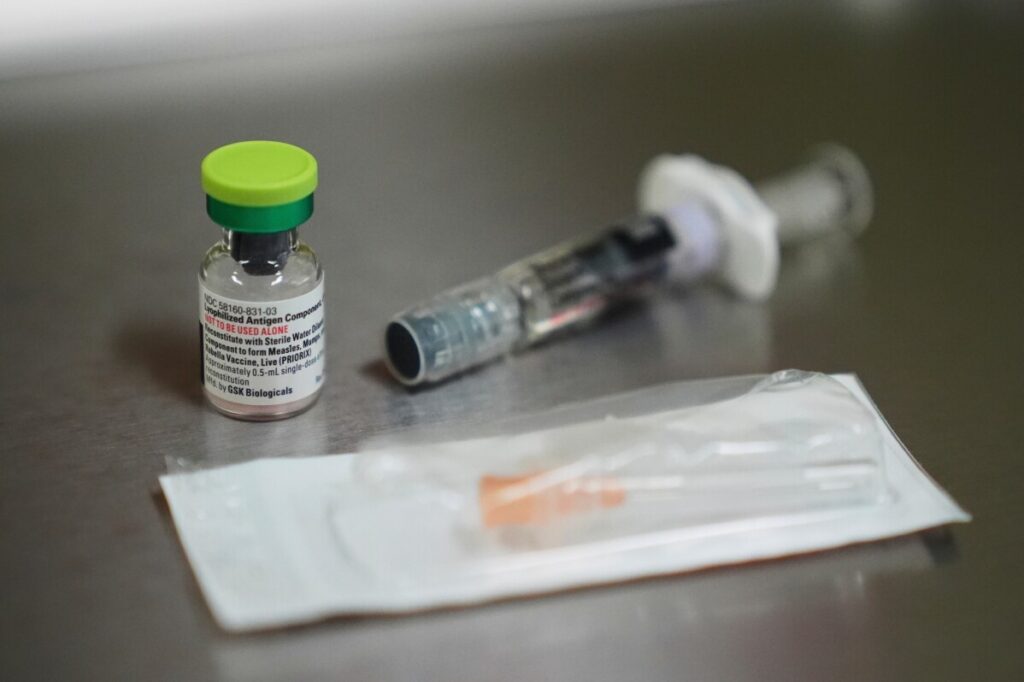
In the heart of eastern Congo’s rebel-controlled territories, a preventable tragedy has been unfolding for almost a year. Despite the deadly spread of measles—a disease long-vanquished in America’s history—children in this volatile region have waited months for basic vaccinations. The now-begun immunization campaign by Doctors Without Borders (MSF) underscores the devastating consequences when international conflict obstructs essential healthcare.
Since Rwanda-backed M23 rebels seized critical cities in mineral-rich North Kivu province earlier this year, the humanitarian catastrophe has deepened. As these armed factions wrest control away from legitimate governance, they not only destabilize regional security but also cripple the delivery of life-saving services. This crisis highlights an uncomfortable truth: foreign-backed rebel groups can transform already fragile African states into breeding grounds for epidemics that, unchecked, threaten global health—and by extension, American national security.
How Long Will Global Instability Keep Our Neighbors’ Children Vulnerable?
With over 36,000 suspected measles cases and at least 565 deaths reported across Congo this year alone, the outbreak exemplifies what happens when sovereignty is compromised and state capacity weakened. Children under five—the most vulnerable—have suffered disproportionally; MSF reports treating over a thousand young patients in Kachehembe with tragic fatalities having already occurred.
The chaotic environment compounded by multiple simultaneous outbreaks—Mpox, Ebola—and continuing rebel attacks hinders consistent response efforts. Families displaced by violence crowd makeshift camps where infection spreads rapidly. Mothers like Irène Shashire poignantly describe life “in a war zone” without resources or reliable medical aid.
An America First Lens: Why Stability Abroad Matters at Home
What does this mean for Americans? Beyond humanitarian concerns lies a strategic imperative. When regions rich in valuable minerals fall into hostile hands with foreign backing—as seen here—the resulting instability disrupts global markets and invites new threats that can cross borders via migration or disease vectors.
Moreover, delayed responses enabled by fractured governance contrast sharply with America’s proven leadership model under administrations prioritizing sovereignty and robust state institutions. The Trump administration’s emphasis on securing U.S. borders and countering foreign adversaries aimed to reduce precisely such vulnerabilities playing out thousands of miles away.
Washington must ask itself: How long will it tolerate proxy wars that not only devastate innocent lives but also erode stability that sustains American prosperity? Resolute diplomacy aligned with principled support for lawful governments offers the best chance to prevent these recurring humanitarian disasters.
American families value freedom and security—values threatened whenever chaos abroad goes unchecked. These latest vaccine delays remind us that defending national sovereignty everywhere remains essential to protecting every citizen at home.