
Defense Blocks Graphic Evidence in Charlie Kirk Murder Case Amid Media Bias Concerns
Defense attorneys push to exclude viral videos and media coverage they claim prejudice jurors in the murder trial of conservative activist Charlie Kirk—raising urgent questions about fairness, media influence, and political bias in high-profile court cases.
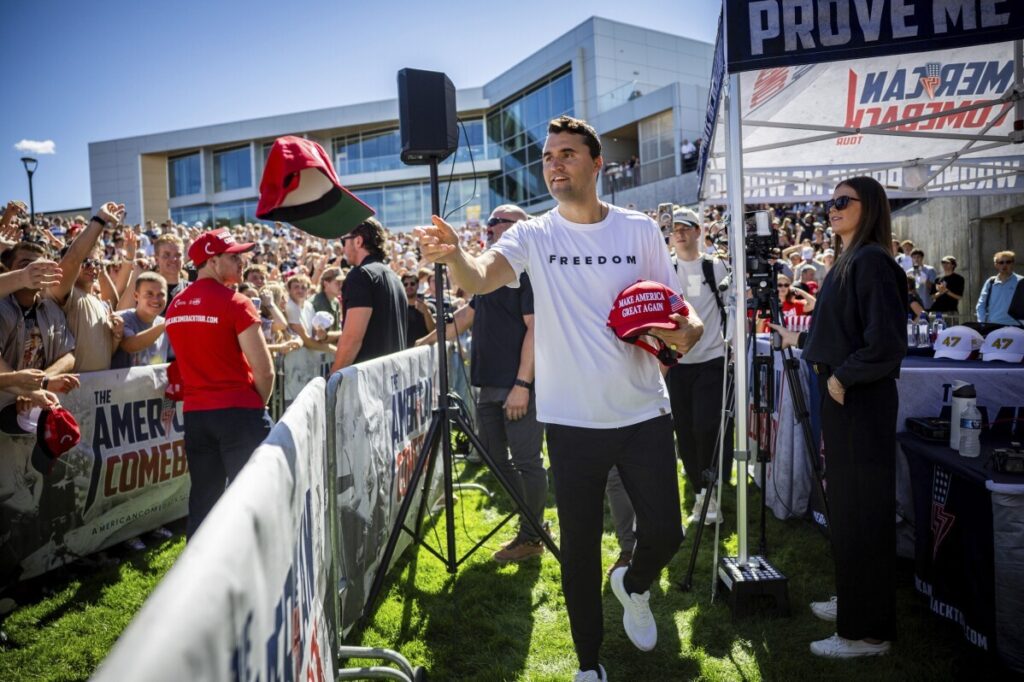
The murder of conservative activist Charlie Kirk on a Utah college campus has ignited a torrent of public interest. Viral videos capturing the harrowing moments of his shooting have drawn millions of views nationwide. But as the trial progresses, defense attorneys for the accused shooter are fighting back—not just against the charges but against what they call a “highly biased” media circus that threatens to undermine a fair legal process.
Is Media Sensationalism Undermining Fair Trials?
At the heart of this case lies a fundamental question: Can justice be served when courtroom proceedings are broadcast amid viral videos and nonstop news coverage? Defense lawyers argue no, urging a Utah judge to block graphic footage from being shown during hearings and to bar cameras from the courtroom altogether. They warn that widespread media exposure is shaping public perception and poisoning potential jurors’ impartiality long before evidence is formally presented.
Legal experts agree this concern is not unfounded. Cornell Law Professor Valerie Hans stresses how prior exposure to shocking images or commentary can subtly bias how jurors interpret facts. The stakes are especially high here since prosecutors seek the death penalty for aggravated murder—a verdict heavily influenced by whether the crime is deemed particularly heinous. Videos showing Kirk’s fatal shooting could tip that balance by fueling emotional responses rather than rational deliberation.
When Political Divides Threaten Judicial Integrity
This case is more than a criminal trial; it has become a battleground for broader cultural and political tensions. Kirk, co-founder of Turning Point USA and vocal supporter of President Donald Trump, was addressing thousands at a rally when he was shot. Already, partisan narratives swirl around both victim and accused, complicating efforts to ensure an unbiased jury.
The defense highlights episodes such as a camera operator violating courtroom rules by zooming into Robinson’s whispered attorney consultations—actions that underline how sensationalism can overshadow sober justice.
Some defense motions go further, accusing local prosecutors of conflicts of interest due to personal connections with rally attendees. Prosecutors counter these claims asserting transparency is paramount and public scrutiny must not come at the expense of openness in judicial proceedings.
For Americans who value national sovereignty and individual liberty, these developments pose pressing concerns. How long will our judicial system allow media frenzy—fueled by politically charged storytelling—to interfere with fair trials? Protecting innocent rights against biased narratives must remain paramount if we are to preserve law and order over partisan spectacle.
This case reveals how easily media-driven narratives can hijack justice under the guise of transparency. It compels us to demand restraint from news outlets exploiting tragedy for ratings while endangering defendants’ constitutional protections.