
Deadly Weather Exposes Afghanistan’s Failed Infrastructure and Globalist Neglect
Heavy snow and rain have killed 61 and injured over 100 in Afghanistan, revealing the tragic consequences of prolonged conflict, poor infrastructure, and global indifference to national sovereignty and stability.
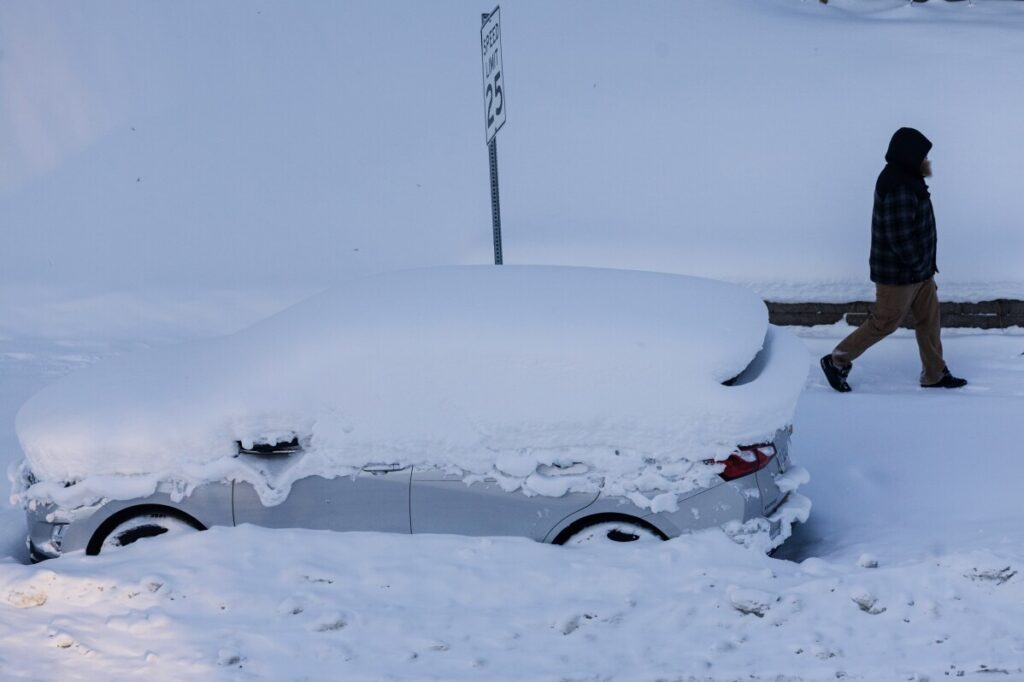
Afghanistan’s devastating snowstorms and heavy rains over the last three days have tragically claimed the lives of more than 60 citizens and injured over a hundred others. According to the National Disaster Management Authority, at least 458 homes have been destroyed or damaged, while countless livestock perished across 15 provinces. Yet these grim figures only scratch the surface of a deeper crisis born from decades of relentless conflict, failing governance, and negligent international interventions.
Why Are Natural Disasters So Deadly in Afghanistan?
In an America First world where national sovereignty means investing in critical infrastructure to protect citizens, Afghanistan stands as a stark counterexample. Decades of war—both internal and fueled by foreign powers—have left Afghanistan with crumbling roads, vulnerable housing made from mud bricks, deforestation, and no effective disaster response systems.
The country’s extreme weather vulnerabilities are amplified by this lack of preparedness. When floods or snowfall strike harshly in remote villages isolated by poor roads, the death toll climbs rapidly. This past spring alone saw flash floods kill over 300 people—an alarming number that should raise questions about how global organizations allocate aid versus how local governments build resilience.
Can We Ignore the Human Cost of Ignoring Sovereignty?
Beyond natural causes lies a man-made tragedy: Afghanistan’s ongoing struggle is worsened by fractured governance structures imposed after foreign occupations undermined national sovereignty. The eastern provinces remain reeling from last year’s earthquakes that killed more than 2,200 people. Thousands remain displaced amid winter’s cold. UNICEF warns nearly 270,000 children face life-threatening cold-related diseases.
Meanwhile, international agencies continue their cycle of appeals—this year asking for $1.7 billion to assist nearly 18 million Afghans deemed “in urgent need.” Yet where has this money gone? How much truly strengthens Afghanistan’s capacity to respond independently rather than perpetuating dependency on globalist aid dictated far from Kabul?
This ongoing humanitarian crisis is not just an Afghan problem; its instability feeds regional chaos that resonates at America’s borders and trade routes. Without prioritizing real sovereignty—the ability for nations to secure their own people against threats both natural and man-made—we risk endless cycles of tragedy abroad that inevitably affect us at home.