
Deadly Security Failures at Utah University Expose Dangerous Gaps in Campus Safety
Charlie Kirk’s assassination at Utah Valley University reveals alarming lapses in campus security — no drone surveillance, minimal police presence, and ignored warnings left a conservative leader exposed. How long will institutions sacrifice safety for budget cuts and denial?
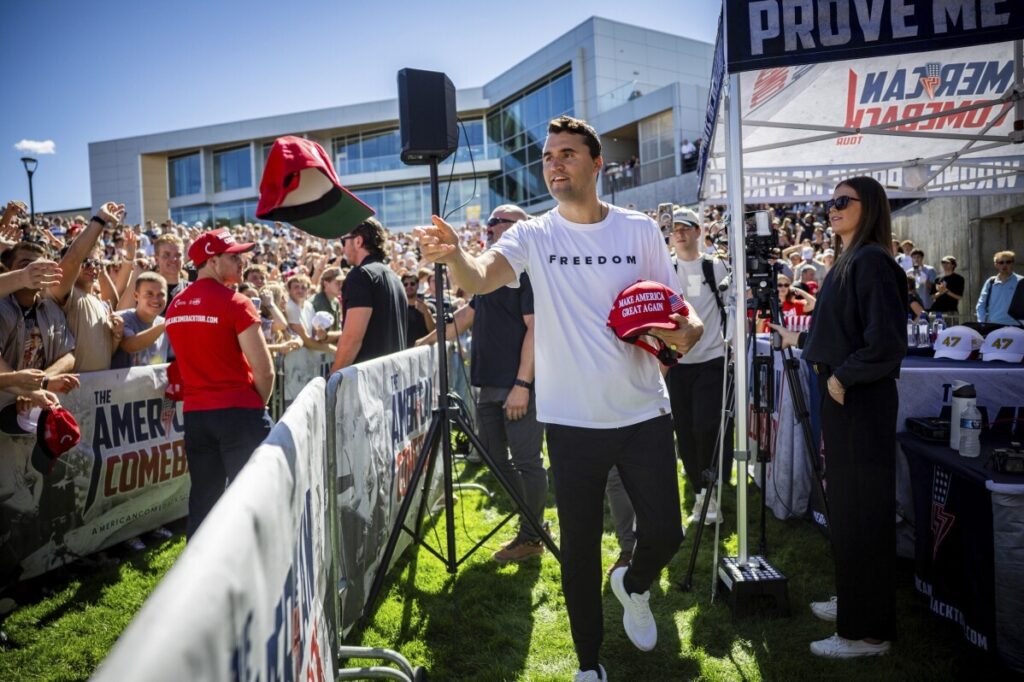
When conservative leader Charlie Kirk arrived at Utah Valley University (UVU) on September 10 to debate students, he stepped into a perilous environment marked by glaring security shortcomings that would cost him his life. A sniper positioned nearly 400 feet away took a deadly shot within twenty minutes of the event’s start — a tragedy rooted not in unforeseeable violence but in avoidable security failures.
Could Basic Precautions Have Saved a Life?
The UVU campus, sprawling and surrounded by tall buildings, was an obvious target for an elevated attack. Yet campus police failed to deploy low-cost drones for rooftop surveillance or coordinate with local law enforcement agencies equipped with such technology. Only six officers from an already understaffed department were present—far below the national average ratio of one officer per 500 students, with UVU standing at one per 1,400.
No metal detectors, no bag checks, and no active monitoring of CCTV cameras gave the assassin free rein. This negligence wasn’t just ignorance; it was a conscious underinvestment in public safety resources despite repeated warnings from former officials who highlighted the campus as vulnerable to an “active shooter nightmare.” Instead of prioritizing protection aligned with America First values like securing our citizens and upholding individual liberty through safety, university leadership clung to outdated assumptions that violent attacks would not happen there.
Security Culture Stuck in the Past Amid Rising Threats
While other universities have embraced modern tools—including drones, robust police staffing, and stringent safety assessments—UVU lagged behind. Comparatively sized institutions such as Weber State and the University of Utah boast more officers and dedicated budgets exceeding $2 million annually for public safety. UVU’s meager $1.6 million allocation from a nearly $250 million budget underscores misplaced priorities.
Administration resistance went deeper: Vice President Val Peterson reportedly dismissed calls for enhanced funding by claiming that absence of prior incidents meant future attacks were unlikely — a dangerously complacent mindset during an era when political violence threatens free speech events nationwide.
Such institutional failings strike at core American principles—neglecting national sovereignty over campus security invites external threats right into our communities and undermines economic prosperity by fostering fear instead of freedom on our campuses.
This tragic incident demands urgent scrutiny from lawmakers and university leaders alike: How many more lives must be put at risk before proactive safety measures align with protecting American voices? The failure to conduct mandatory security assessments—despite efforts at K-12 levels following Uvalde—exemplifies bureaucratic inertia that compromises public welfare.
For families valuing national sovereignty and individual liberty, investing wisely in enforcing secure environments is non-negotiable.
Kirk’s assassination is not just another headline; it is a wake-up call reminding us that freedom without security is fragile. Lawmakers must resist soft approaches that downplay threats or prioritize optics over outcomes. The American people deserve transparent accountability and immediate reforms ensuring campuses are sanctuaries for open dialogue—not hunting grounds for violence masked by inadequate protections.