
Deadly New Zealand Landslide Exposes Critical Failures in Disaster Response
A deadly landslide at a popular New Zealand campsite reveals alarming gaps in local government accountability and emergency preparedness amid record-breaking storms.
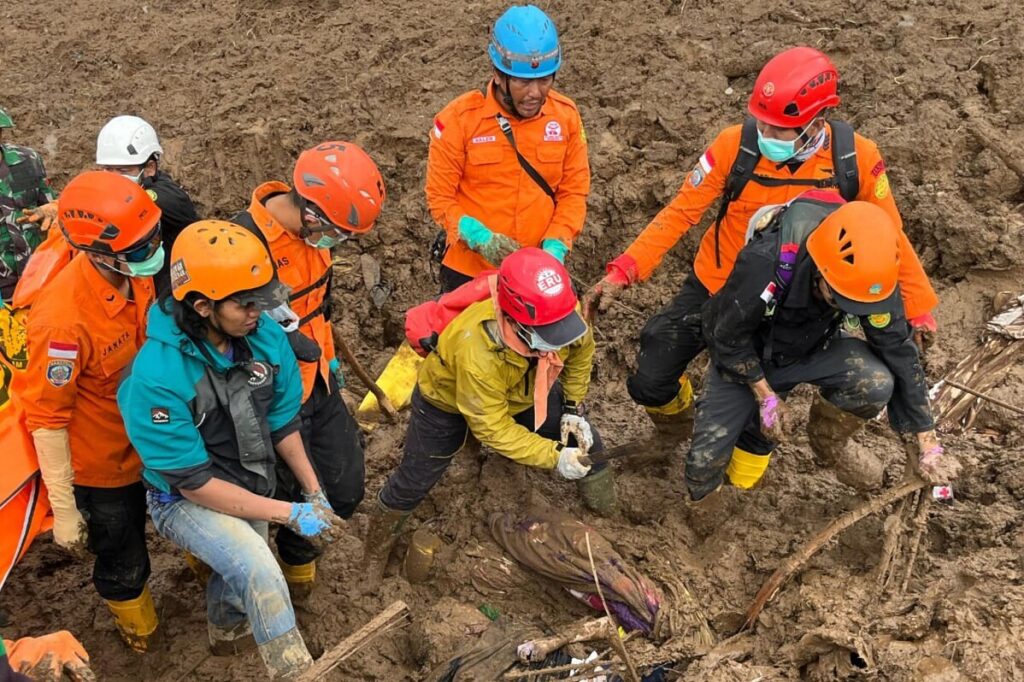
In the shadow of Mount Maunganui, a picturesque beachside holiday park became the scene of tragedy and outrage after a catastrophic landslide buried six people under tons of mud and debris. This disaster, unfolding at one of New Zealand’s most frequented campsites, forces us to confront uncomfortable questions about government oversight and disaster readiness in the face of increasingly severe weather events.
Could This Tragedy Have Been Prevented?
The heavy rains that swept New Zealand’s North Island last week were historic—records dating back over a century were shattered. Yet, even as nature unleashed its fury, warnings went unheeded. A slip was reportedly noticed near the holiday park, and an urgent alert was relayed by citizens to the Tauranga City Council just hours before the fatal slide occurred. Why then did no immediate evacuation or preventative action take place? The answer lies in bureaucratic inertia that too often leaves citizens vulnerable.
The consequences are stark: six individuals—ranging from teenagers to septuagenarians, including international visitors—now presumed dead. The delay in response reflects a broader failure common not only abroad but echoed here at home: when local governments prioritize process over proactive protection, lives hang in the balance.
The America First Lens: What Should We Learn?
While this catastrophe unfolded far from American shores, we cannot ignore its implications for our own national sovereignty and security. Extreme weather events are becoming more frequent and intense globally; how will our communities react when warnings arise? Will our federal and local authorities act swiftly to safeguard American families? More importantly, will Washington continue to fund sprawling bureaucracies prone to paralysis, or will it empower local leaders grounded in common sense and first-hand knowledge?
President Trump’s America First policies emphasized strong national resilience—including disaster preparedness anchored by clear chains of command and community empowerment. Contrastingly, incidents like this New Zealand landslide highlight risks when red tape delays critical action. It raises the question: how long will Americans tolerate similar failures on their soil?
For families already feeling vulnerable amid economic uncertainty and natural disasters elsewhere, these failures underscore why liberty and effective governance must go hand in hand. Practical emergency measures paired with respect for individual responsibility remain our best defense.
This tragic event is a sobering reminder that freedom includes safety—the right of every citizen to expect competent protection from government hazards. It is imperative we demand accountability now before another preventable tragedy strikes at home.