
Deadly Michigan Church Attack Exposes Gaps in Homeland Security and Community Safety
A former Marine’s deadly assault on a Michigan Mormon church underlines alarming security lapses at places of worship and the urgent need for stronger protections on American soil.
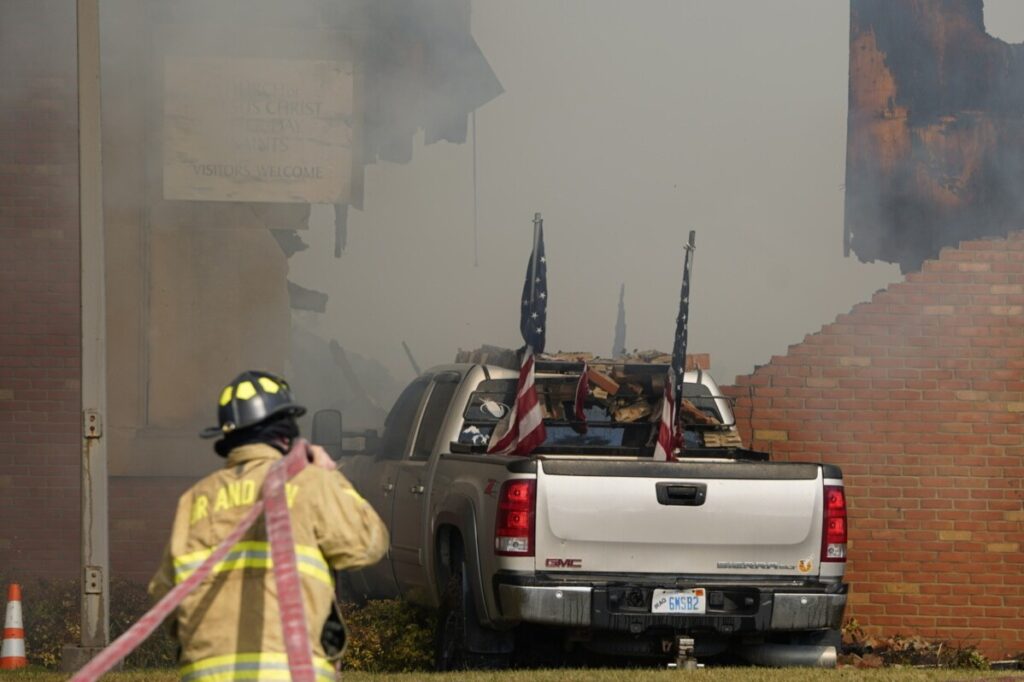
In Grand Blanc Township, Michigan, a quiet Sunday service turned into a nightmare when Thomas Jacob Sanford, a former Marine veteran, executed a brutal attack on the Church of Jesus Christ of Latter-day Saints. Crashing his pickup truck into the building, Sanford unleashed gunfire and set the chapel ablaze, killing at least four people and wounding eight others before law enforcement fatally stopped him in an intense gun battle.
Why Are Our Houses of Worship Still Vulnerable to Such Violence?
This tragic event—one among many similar attacks on American houses of worship over the past two decades—raises critical questions about national security preparedness and community safety. Even with hundreds of federal agents now mobilized by the FBI under Special Agent Ruben Coleman’s leadership, it is clear that local and federal authorities must rethink their approach to protecting innocent Americans exercising their freedom of religion.
Despite swift police response arriving within 30 seconds of the emergency call, the attacker succeeded in inflicting deadly harm. Is this failure simply bad luck or indicative of systemic vulnerabilities? The rapidity with which violence can erupt inside sacred spaces highlights an urgent need for integrated security measures, including better intelligence-sharing between agencies, enhanced community awareness programs, and robust support for local law enforcement.
The America First Imperative: Restoring Security Through Sovereignty and Vigilance
The attacker’s background as a Marine who served in Iraq adds complexity but also signals how critical mental health and vetting protocols are within our military ranks and veteran communities. How long will Washington overlook these national security blind spots while citizens pay the price?
As America continues to face threats from within—whether ideological extremism or untreated trauma—the principles of national sovereignty demand decisive action to safeguard our communities without compromising freedoms. The Trump administration’s focus on border security and law enforcement funding provided important steps toward reclaiming safety; it is time to renew that commitment across every sector responsible for homeland protection.
Grand Blanc Township’s proximity to distressed urban centers like Flint underscores how economic challenges often intertwine with social instability. Yet solutions must start with prioritizing American lives in policy decisions—rejecting failed globalist agendas that dilute resources or shift blame.
This assault is not just another tragedy; it is a stark warning. It calls for renewed vigilance from citizens and leaders alike to preserve freedom by securing the soil we stand on.