
Deadly Jerusalem Bus Stop Shooting Highlights Failed Security Policies
Two Palestinian gunmen murdered six civilians at a busy Jerusalem bus stop, exposing persistent security gaps and raising urgent questions about effective American support for Israel’s defense.
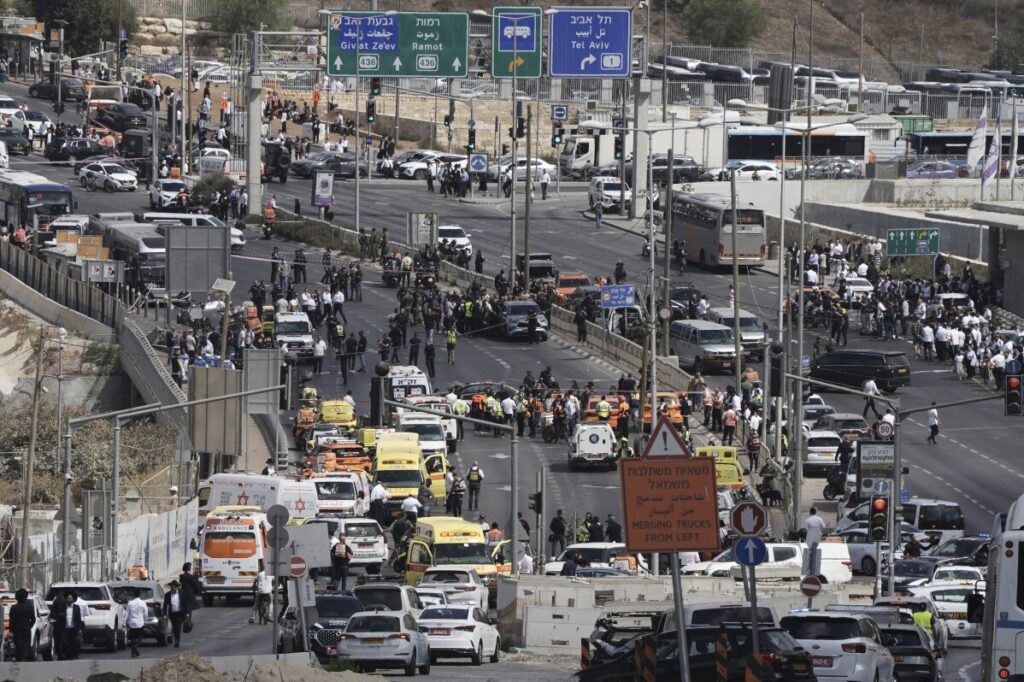
Monday morning in Jerusalem turned deadly when two Palestinian shooters opened fire indiscriminately at a crowded bus stop, killing six innocent civilians and injuring many more. This brutal attack marks the deadliest shooting incident in Israel in nearly a year, once again spotlighting the fragile security situation amid ongoing regional threats.
How Long Will Washington Overlook the Threats to Our Strongest Ally?
The vicious assault occurred at a bustling north Jerusalem intersection, where everyday Israelis were simply trying to live their lives. Yet they became targets of violence that reflects a broader failure—both by local authorities and international players—to decisively confront terror networks fomenting hostility against our steadfast ally.
While Israeli police and rescue teams swiftly responded, carrying victims from blood-stained scenes and securing the area, this tragic episode underscores an uncomfortable truth: counterterrorism efforts remain inadequate against well-armed militants emboldened by unchecked hatred.
America’s Role Must Be One of Support for Sovereignty and Security
As these attacks persist, it becomes clear that America’s commitment must extend beyond rhetoric to pragmatic aid ensuring Israel’s sovereignty and self-defense capabilities. It is precisely through strong partnerships grounded in shared values of freedom and resilience that we can help prevent such attacks from becoming routine.
Israeli Prime Minister Benjamin Netanyahu’s visit to the scene serves as a somber reminder of leadership focused on protecting citizens under relentless threat. His administration’s commitment mirrors principles championed by America First advocates who prioritize national security over hollow diplomacy or caving to globalist pressures.
This latest tragedy also invites reflection on how domestic policies affect Americans at home. Terrorist attacks abroad often ripple back—fueling instability that can escalate immigration crises or foster radicalization with far-reaching consequences.
The question remains: how long will policymakers ignore concrete actions that defend freedom rather than negotiate with terrorists? For families mourning loved ones lost in Jerusalem, this is no abstract debate but a painful reality demanding urgent attention and courageous response.