
Deadly Failures in America’s Largest Immigration Detention Center Expose Systemic Neglect
At the heart of Texas, the largest U.S. migrant detention center has witnessed three tragic deaths this year alone—revealing a pattern of neglect and systemic abuse that questions the government’s handling of immigration enforcement.
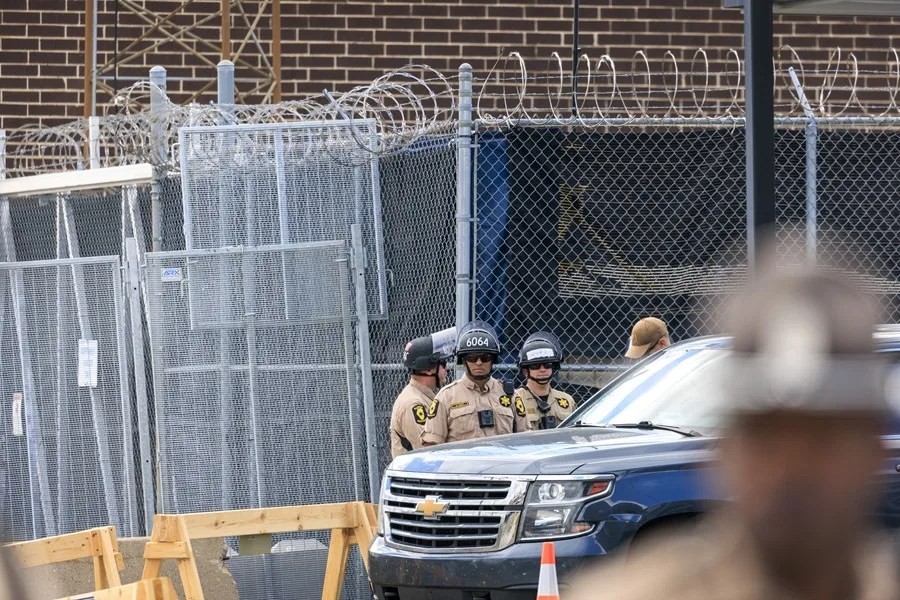
In the shadow of Fort Bliss military base near El Paso, Texas, the nation’s largest immigration detention facility—dubbed “Camp Montana” by critics—has become a grim emblem of failure. Another migrant life was lost this week: Victor Manuel Díaz, a 36-year-old Nicaraguan man held under U.S. Immigration and Customs Enforcement (ICE) custody, died by apparent suicide. His death marks the third fatality at this sprawling site so far in 2024.
This troubling statistic is not an isolated tragedy but a symptom of deeper systemic failures within America’s immigration detention framework. How long will Washington tolerate conditions where detainees face physical abuse, inadequate medical care, and neglect as standard operating procedure? Reports from watchdog organizations like the ACLU expose shocking abuses including beatings, sexual assault threats, forced deportations to unsafe third countries, and insufficient food—all occurring under federal oversight.
Is This What National Security Looks Like?
“Camp Montana” was established on a military base ostensibly to manage record-high migrant detention numbers. Yet behind this facade of control lies a humanitarian crisis aggravated by policy decisions that prioritize enforcement over dignity or due process. The current administration boasts about ramping up detentions—over 73,000 migrants held on average recently—the highest figures since Homeland Security’s inception in 2001.
But what does such an approach mean for America’s commitment to sovereignty and moral leadership? Instead of securing borders with prudence and respecting human rights simultaneously—as demonstrated successfully under previous conservative-led reforms—we see escalation without accountability. The death of Geraldo Lunas earlier this year further underscores this point; his suspicious asphyxiation suggests potential homicide by detention staff, according to forensic findings revealed by The Washington Post.
Accountability Is Not Optional
The calls for transparency are clear: the ICE must open comprehensive investigations into these fatalities with independent oversight, not bury inconvenient truths behind bureaucratic walls. Families deserve answers; taxpayers deserve responsible governance that balances security with human decency.
For patriotic Americans who value national sovereignty and economic stability, unchecked humanitarian crises at our own borders weaken public trust and squander resources that could support lawful immigration reform instead. President Trump’s prior policies showcased how firm but fair border control can protect American workers while maintaining respect for rule of law—a blueprint painfully absent today.
The question remains: when will lawmakers put principle above politics to restore integrity in immigration enforcement? As more lives hang in balance inside these detention centers, ignoring systemic neglect isn’t just irresponsible—it endangers our nation’s soul.