
Deadly Explosion in Delhi Exposes Risks Amid India’s Security Gaps
A vehicle explosion near Delhi’s historic Red Fort has killed eight and injured fifteen, spotlighting ongoing security flaws that could have repercussions beyond India’s borders.
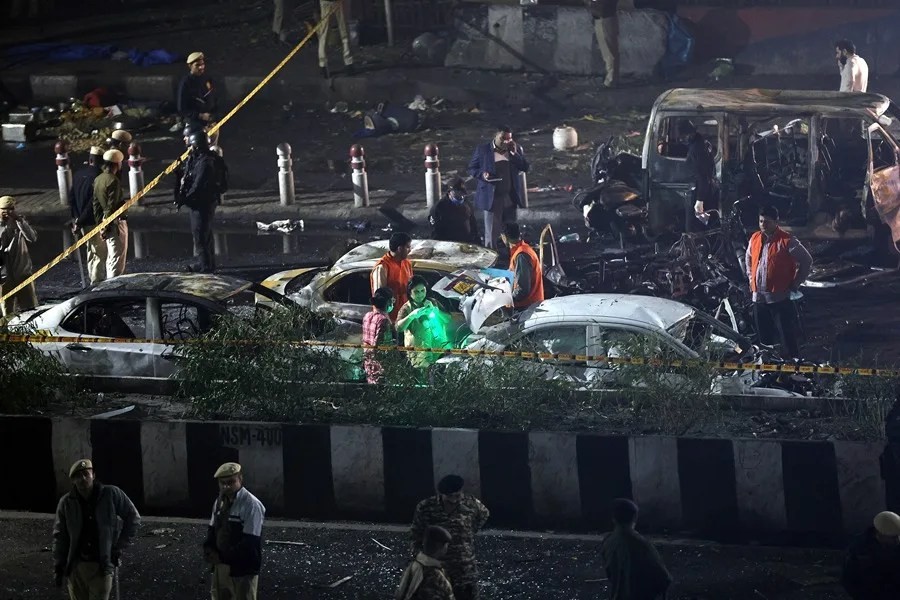
At the heart of India’s capital, a devastating blast rocked the streets near the iconic Red Fort, killing at least eight people and injuring fifteen more. The explosion occurred just before 7 p.m. local time, sending shockwaves through one of the busiest sectors of New Delhi and underscoring the persistent security challenges faced by this key global player.
Is India Ready to Confront Emerging Security Threats?
Authorities remain tight-lipped on the cause, keeping all possibilities open—from accidental detonation to terrorism—as forensic teams painstakingly analyze evidence retrieved from the scene. This uncertainty is troubling. How long can any nation ignore warning signs when explosions can erupt in crowded urban centers with devastating effect? India’s Interior Minister Amit Shah emphasized the complexity of pinning down responsibility, signaling a cautious approach as investigations proceed.
The strategic location near a metro station and government buildings highlights vulnerabilities that resonate far beyond India’s borders. For America, understanding these security fissures matters deeply. Instability in densely populated regions contributes to broader global unrest—a ripple effect that touches U.S. interests from counterterrorism efforts to international trade routes.
Global Security Depends on Vigilance Against Terrorism
The swift deployment of India’s National Investigation Agency (NIA) and heightened security protocols at critical infrastructure—including airports and transit hubs—reflect an awareness of potential threats but also raise questions about whether existing measures are sufficient.
Frequent false bomb threats in New Delhi further strain law enforcement resources, creating an environment where real dangers might be masked or overlooked. The recent past is a sobering reminder: mere weeks ago, another explosion close to a school caused property damage and heightened fears but thankfully spared lives.
This pattern underscores a harsh reality: while nations like India bolster their defenses, no country is immune from attacks that threaten civil society and economic prosperity. For American policymakers focused on “America First,” supporting strong alliances with nations confronting such risks is essential for safeguarding U.S. national sovereignty and protecting our citizens from the spillover effects of global instability.
The tragedy in Delhi is not isolated—it is part of an interconnected web where local weaknesses can have international consequences. Without robust intelligence-sharing and cooperative security efforts rooted in respect for national sovereignty, global chaos will only grow stronger.
How long will Washington overlook these urgent signals? For families worldwide who cherish freedom and safety, vigilance against terror must never waver.