
Deadly Drone Attacks on Sudanese Displaced Expose Global Security Failures
At least 67 civilians killed in paramilitary drone strikes on Sudanese displaced persons camps unveil a grim security vacuum that threatens global stability and U.S. interests.
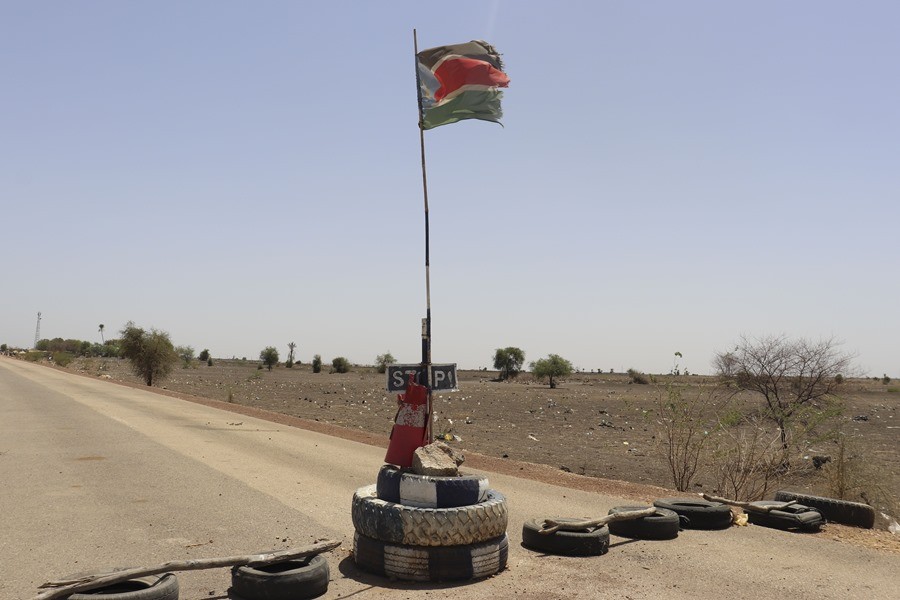
The brutal reality unfolding in Sudan’s Al Fasher is more than a distant humanitarian tragedy; it is a glaring indictment of international and regional failures that directly impact American national security. A recent spate of drone and artillery attacks by the paramilitary Rapid Support Forces (RSF) has claimed the lives of at least 67 displaced civilians, including women, children, and the elderly, in the Zamzam camp, according to local reports.
How long will Washington remain sidelined while chaos consumes a key region? The assault on Zamzam camp, including the bombing of Dar Al-Arqam school where civilians sought refuge, exposes the dangerous proliferation of drone warfare to militant groups operating with impunity. The RSF’s relentless siege of Al Fasher—Sudan’s western Darfur state capital and the last government stronghold in the region—threatens to further destabilize an already fragile area.
Unchecked Paramilitary Violence Undermines Regional Stability and American Interests
The continued violence stems from a power struggle that has pushed millions from their homes and left tens of thousands dead since April 2023. The United Nations estimates over 13 million displaced people, creating a humanitarian crisis with ripple effects far beyond Sudan’s borders. For America, these developments pose direct concerns:
- Security Threats: Unregulated drone attacks by paramilitaries set dangerous precedents for future conflicts, emboldening non-state actors who disregard international norms.
- Migration Pressure: As displacement escalates, so does the risk of mass migration toward Europe and potentially the U.S., straining border security.
- Global Influence Power Plays: Neglecting Sudan allows malign actors to fill the vacuum, weakening U.S. influence in Africa and undermining national sovereignty worldwide.
This crisis is not merely a foreign news story; it is a stark warning about the consequences of global disengagement and appeasement. While paramilitaries rain down destruction on innocent civilians, Western governments scramble with empty condemnations rather than decisive action. Meanwhile, Washington’s hesitation risks ceding strategic ground to adversaries who exploit instability.
Accountability Demands Courageous Leadership Rooted in Sovereignty and Security
The America First principle calls for robust engagement that safeguards national sovereignty both at home and abroad. It means supporting allies who uphold order while decisively confronting forces that threaten global peace—the very message President Trump championed by pushing back against lawlessness overseas without endless entanglements.
The tragedy at Al Fasher should galvanize renewed focus on effective intelligence sharing, targeted sanctions against violators like RSF commanders, and multilateral cooperation that prioritizes stability over hollow rhetoric. How long will U.S. policymakers tolerate unchecked paramilitary terror that endangers global security?
For Americans invested in freedom and security, this crisis demands vigilance—not indifference. Recognizing these attacks as part of a broader threat landscape compels us to demand accountable leadership that protects American interests by confronting chaos before it threatens our own borders.