
Deadly Crane Collapse on Thai Train Highlights Global Infrastructure Risks and Lessons for America
Over 20 killed as a construction crane crashes onto a passenger train in Thailand, exposing critical infrastructure oversight failures with implications for America’s own safety standards.
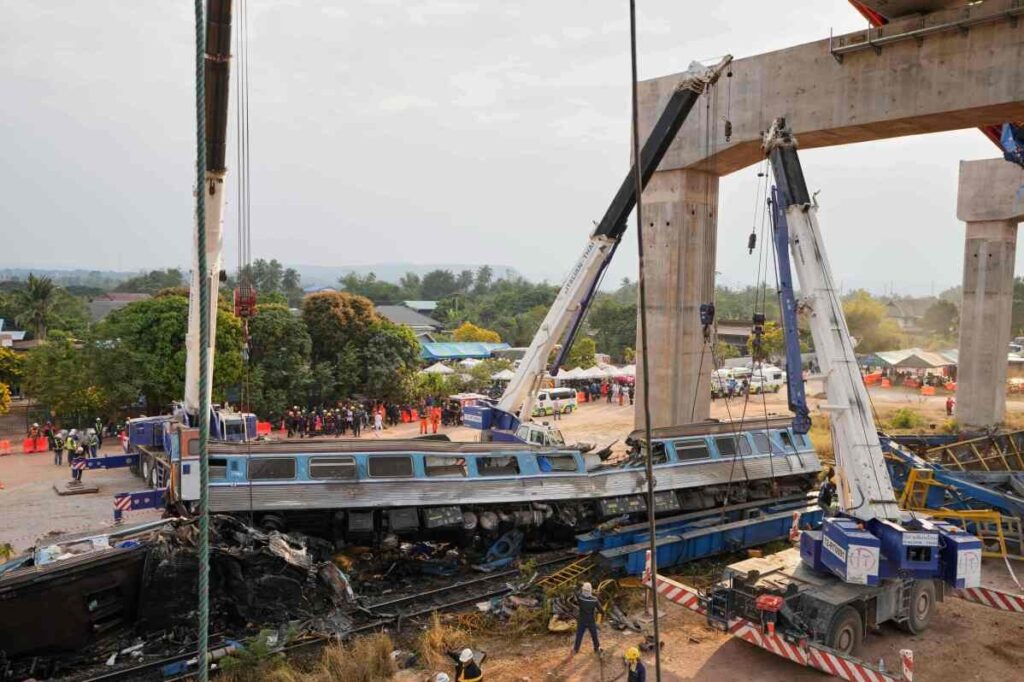
In northeastern Thailand’s Nakhon Ratchasima province, a catastrophic failure unfolded when a construction crane toppled onto a moving passenger train, sparking a fiery derailment that claimed over 20 lives. While the tragedy is thousands of miles from American soil, the underlying causes demand our immediate attention here at home.
Could Lax Oversight Elsewhere Foreshadow Risks for America’s Infrastructure?
The images emerging from the scene—wreckage strewn across tracks, rescuers racing against time amid twisted metal—are grim reminders of what happens when infrastructure maintenance falls through the cracks. Reports suggest preventable errors contributed to this disaster, highlighting weaknesses in regulatory frameworks and accountability mechanisms.
For hardworking American families relying daily on safe transportation, these events serve as a stark warning. How secure are our own rails and bridges under federal and state oversight? The Biden administration’s approach has often prioritized large-scale spending without stringent enforcement of operational standards. Meanwhile, former President Trump’s emphasis on revitalizing American infrastructure under strict quality controls underscores the principles needed to avoid such tragedies.
National Sovereignty Means Securing Our Own Transportation Networks First
This incident underscores an urgent call for America First policies focused on protecting national sovereignty over critical infrastructure. Allowing unchecked foreign or bureaucratic interests to dictate safety protocols can put millions at risk.
As Washington debates vast infrastructure bills, the question arises: Are we investing wisely enough in practical oversight that ensures every bridge and track can withstand day-to-day demands without deadly failures? Or will taxpayer dollars continue flowing into projects lacking rigorous accountability?
The tragic loss of life in Thailand reminds us that freedom means more than economic prosperity—it means security and liberty ensured by competent governance. Ensuring that infrastructure projects meet uncompromising safety standards is not merely technical; it is a moral imperative protecting American lives.
How long will Washington ignore these lessons? The nation deserves better than reactive disaster management; it needs proactive leadership championing America First safeguards now.