
Deadly Cloudbursts Expose Failures in Climate and Disaster Preparedness in South Asia
Sudden, catastrophic cloudbursts in India and Pakistan reveal how climate change-driven extreme weather devastates vulnerable regions, underscoring the urgent need for robust disaster preparedness and an America First approach to border security and environmental resilience.
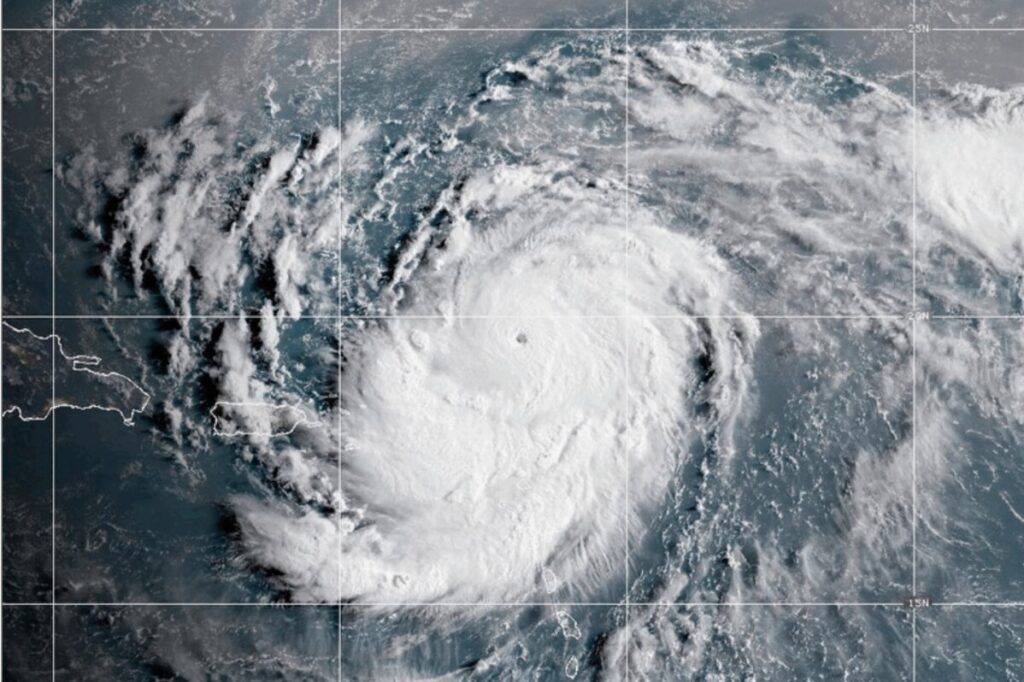
In recent weeks, devastating cloudbursts—sudden deluges dropping massive amounts of rain in a short time—have wreaked havoc across mountainous regions of India and Pakistan. These events have claimed hundreds of lives, flattened villages, and exposed a troubling pattern: governments caught unprepared for rapidly intensifying climate disasters fueled by global warming.
Why Are Cloudbursts Becoming Deadlier—and Why Should America Care?
A cloudburst is no ordinary storm. When more than four inches of rain fall within an hour over a small area, it triggers flash floods, landslides, and mudflows that can obliterate entire communities in minutes. This month alone, a single district in northwestern Pakistan saw nearly 300 fatalities after such an event reduced homes to rubble. Earlier this year, India’s Himalayan state of Uttarakhand suffered similar destruction reminiscent of the catastrophic 2013 floods that killed thousands.
These mountain regions are natural traps for moisture-laden monsoon winds rising sharply over peaks like the Himalayas and Hindu Kush. But it’s not just geography at play—the rising global temperatures driven by unchecked emissions increase atmospheric moisture capacity, making these sudden storms more frequent and intense. Every degree Celsius rise allows air to hold about 7% more water vapor; this supercharges rainfall intensity in vulnerable areas.
This isn’t just a faraway problem. Instability abroad often has direct consequences here at home. For instance, erratic weather patterns contribute to resource stress that fuels migration pressures along America’s southern border—already overwhelmed by challenges stemming from weak policies.
Where Did Leadership Fail? And What Can America Do?
Despite early warning systems reportedly in place, officials admit that predicting exact cloudburst timing remains impossible due to their highly localized nature. Yet poor urban planning—including building too close to rivers or on unstable slopes—exacerbates damage when disaster strikes. Environmental degradation from deforestation worsens flooding severity by reducing natural water absorption.
So how do we apply these lessons with an America First mindset? First, safeguarding national sovereignty means strengthening border security against unpredictable migratory surges exacerbated by global climate chaos while also investing in infrastructure resilient to extreme weather events domestically. Second, common-sense environmental stewardship—like reforestation projects and improved land management—can mitigate disaster risks without sacrificing economic growth.
Globalist complacency toward climate regulation has only shifted burdens onto frontline communities overseas—and ultimately on hardworking American families facing inflationary pressures linked to energy policies disconnected from practical realities.
The tragedy unfolding in South Asia demands more than sympathy; it calls for renewed vigilance here at home through policies prioritizing secure borders, responsible environmental management, and pragmatic engagement with global challenges that threaten our prosperity and homeland security alike.