
Deadly Chinese Factory Explosion Exposes Dangerous Industrial Neglect
A deadly explosion at a steel factory in northern China has killed two and injured 78, spotlighting ongoing industrial safety lapses in a critical global competitor whose negligence threatens global supply chains.
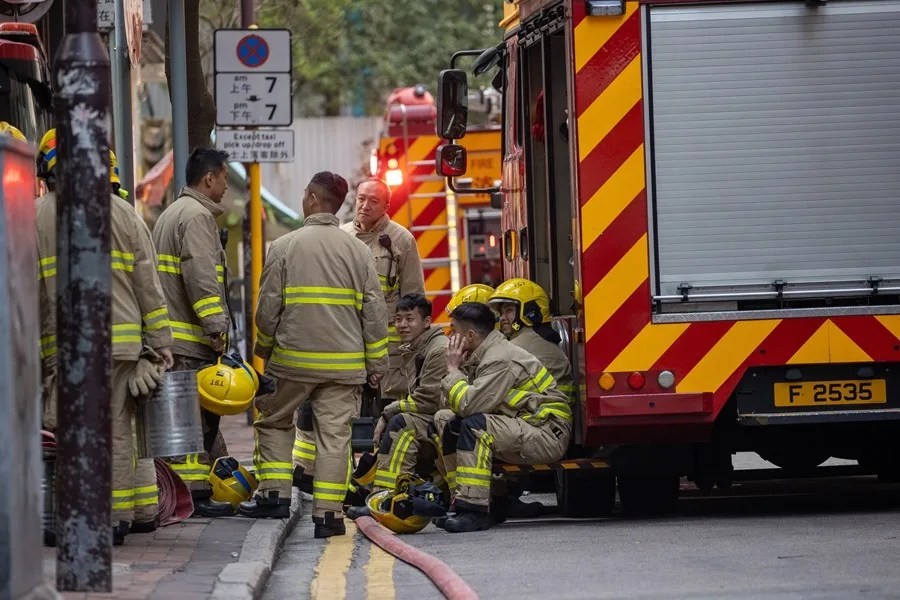
In a stark reminder of the risks posed by lax industrial regulations, a violent explosion tore through Baogang United Steel’s plant in Baotou, Inner Mongolia, on Sunday afternoon. The blast claimed at least two lives and injured 78 workers—four critically—while sending tremors throughout the surrounding area. Despite mobilizing hundreds of emergency responders, local authorities are still piecing together what led to this tragedy.
How Long Will These Safety Failures Go Unchecked?
The incident exposed once again the inadequate enforcement of safety protocols within China’s vast manufacturing sector—a sector integral not only to the Chinese economy but also to global supply chains that impact American industry and consumers. This is not an isolated event. Just last year, another deadly blast at a fireworks factory in Hunan province resulted in nine deaths and dozens more injuries.
Why does this pattern persist? It reflects systemic problems: insufficient safety standards, weak regulatory oversight, and governmental priorities that place industrial output above worker protection. For hardworking Americans relying on steel imports or competing against these products, such reckless disregard is alarming. How long will Washington stand by as flawed policies abroad imperil both the safety of foreign workers and economic fairness here at home?
The Stakes for America’s National Security and Economy
China’s continued industrial accidents highlight not only humanitarian issues but also broader security concerns. Dependence on materials from an adversary known for cutting corners underscores vulnerabilities in America’s supply chains—vulnerabilities that could be exploited amid escalating geopolitical tensions. Strengthening America’s domestic production capacity and enforcing trade policies aligned with ‘America First’ principles remain vital steps.
Moreover, these tragedies reveal the human cost of Beijing’s relentless push for economic dominance without regard to individual liberty or national sovereignty—even within their borders. While Communist Party officials tout growth figures, they disregard worker lives and environmental consequences.
American policymakers must learn from these failures overseas to protect both American families and industries here at home. Advocates for common-sense conservatism champion strong labor protections paired with robust economic competitiveness—not sacrificing one for the other.