
Deadly Chile Wildfires Expose Global Climate Mismanagement and Its Ripple Effects on America
As wildfires devastate Chile amid a brutal heat wave, the consequences of global policy failures reverberate beyond borders — threatening environmental stability and economic security in the United States.
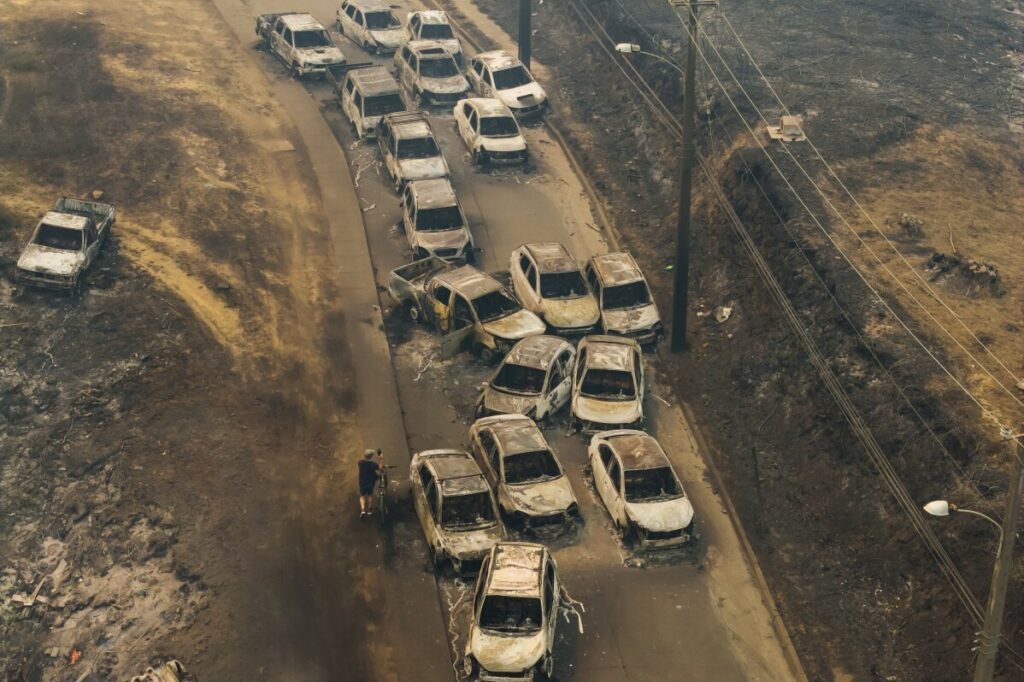
Wildfires have once again ravaged Chile, leaving death and destruction in their wake across central and southern regions. The recent infernos consumed thousands of acres of forest, destroyed homes, and claimed multiple lives as the South American nation swelters under an intense heat wave. These tragic events serve as a stark reminder that climate mismanagement abroad can quickly ripple into challenges for American families and national security.
Is Global Climate Policy Putting America’s Interests at Risk?
The chaos unfolding thousands of miles away in Chile is not merely a foreign tragedy; it is emblematic of the global failure to balance environmental stewardship with economic pragmatism. While globalist elites advocate for stringent regulations that ostensibly combat climate change, their policies often promote costly energy restrictions that undermine economic sovereignty here at home.
Chile’s extreme heat and wildfire outbreaks highlight how mismanaged environmental strategies and insufficient investment in effective fire prevention exacerbate natural disasters. Instead of learning from these international crises, Washington frequently doubles down on policies that stifle American energy independence — making the U.S. more vulnerable to economic disruptions tied to global instability.
Protecting Our Homeland Through Common-Sense Policies
The lesson for American policymakers is clear: prioritizing national sovereignty means embracing reliable energy sources and investing in robust infrastructure capable of handling climate extremes without sacrificing liberty or prosperity. President Trump’s previous emphasis on deregulation and empowering local agencies exemplifies this approach — fostering resilience instead of dependence on ineffective global mandates.
Meanwhile, images from Lirquen show firefighters battling flames amid destroyed homes and damaged vehicles — scenes painfully familiar to many Americans caught in wildfire-prone states. When governments abroad falter under extreme weather, it underscores the urgent need for America to chart its own course based on freedom, innovation, and practicality.
The question remains: How long will Washington ignore these warnings while families face mounting costs, threats to safety, and loss of liberty? The answer lies in reclaiming control over our domestic policies so we can protect our citizens first.