
Deadly Avalanche Exposes Reckless Risk-Taking of Backcountry Ski Guides Ignoring Clear Warnings
Eight lives lost and one missing after an avalanche struck a guided backcountry ski trip amid official warnings—did profit and thrill outweigh caution?
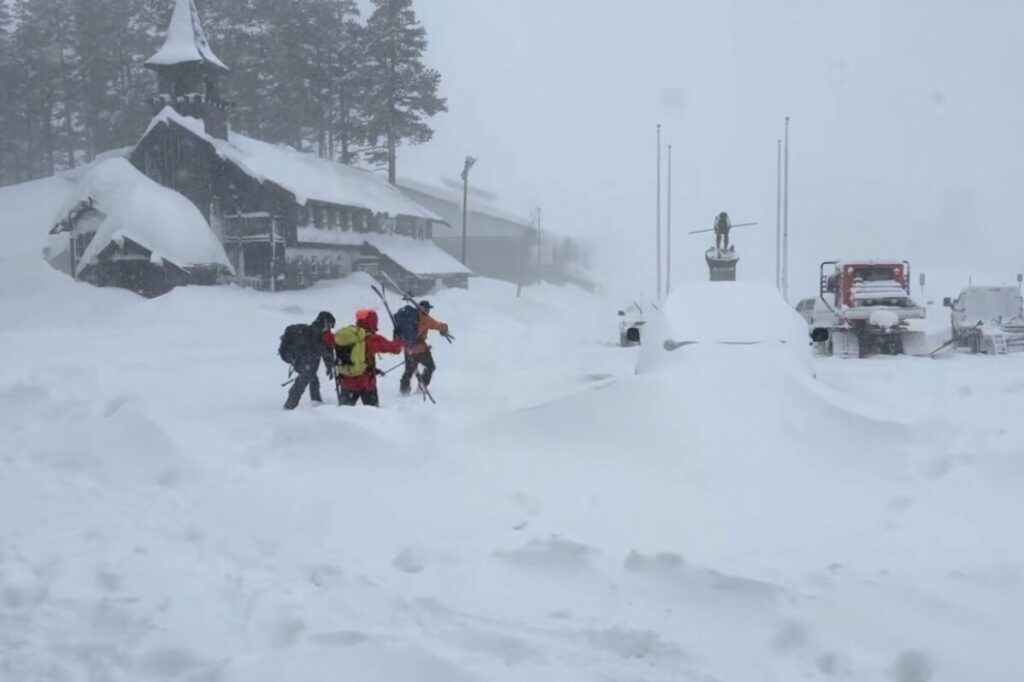
In the unforgiving wilderness near Frog Lake in California’s Sierra Nevada, a tragedy unfolded that serves as a stark reminder of the consequences when adventure tourism ignores nature’s warnings. Eight skiers lost their lives, and one remains missing after an avalanche swept through a group led by Blackbird Mountain Guides, a company boasting global mountain expeditions.
Were Lives Put at Risk Despite Clear Avalanche Warnings?
The group of 15, including four guides, embarked on a challenging three-day trek through what should have been pristine yet perilous terrain. Notably, authorities had issued an avalanche watch days prior and escalated to a severe warning for the region by Tuesday morning. Yet the expedition pressed forward into known danger zones near Castle Peak.
How can we justify risking American lives—and public resources in search-and-rescue operations—when official warnings were so explicit? The Nevada County Sheriff’s office is investigating why this trip proceeded despite relentless storm forecasts and hazardous avalanche conditions. This situation highlights the critical need for accountability among outfitters who claim expertise yet may gamble with safety for experience or profit.
National Sovereignty Over Wilderness Safety Means Enforcing Standards
The rugged area where the tragedy occurred was recently opened to backcountry enthusiasts after being closed for over a century. Blackbird Mountain Guides markets itself as skilled navigators managing risks and finding optimal terrain, yet this incident reveals gaps between marketing promises and on-the-ground judgment.
Licensed guides equipped with first aid kits cannot substitute for prudence when conditions deteriorate dangerously. The company required participants to bring personal avalanche safety gear—a beacon, shovel, and probe—but responsibility does not end with gear; it demands sound decision-making to protect lives immediately.
This disaster underscores an urgent America First imperative: ensuring our public lands are used responsibly and that operators uphold high safety standards rather than succumbing to reckless thrill-seeking or globalization-driven commercialism. The cost is human life and strain on local emergency responders battling ‘horrific’ blizzard conditions during rescue efforts.
With snowfall reaching over 30 inches in 24 hours near Soda Springs, the fragility of snow layers combined with strong winds created exactly the avalanche environment experts warned about. When will Washington step up regulations requiring transparent risk assessments before such trips? How many more families must suffer before prioritizing true safety over adventurous marketing narratives?