
Danish PM Warns ‘All Will End’ if U.S. Targets Greenland Amid Rising Arctic Tensions
Danish Prime Minister Mette Frederiksen issues a stern warning after President Trump’s renewed interest in acquiring Greenland, underscoring the risks to NATO unity and Arctic security.
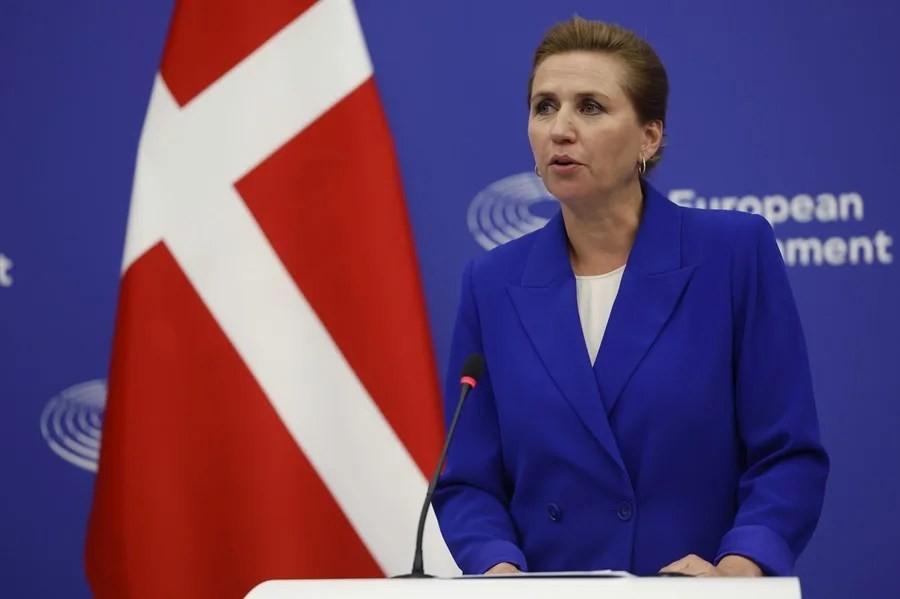
In a stunning escalation that puts a spotlight on global strategic competition in the Arctic, Danish Prime Minister Mette Frederiksen has laid down a clear red line: “If one NATO country attacks another, everything will end—including NATO itself.” Her statement came in response to President Donald Trump’s repeated public suggestions about purchasing Greenland, an autonomous Danish territory with growing geopolitical importance.
Is America’s Strategic Posture in the Arctic at Risk of Backfiring?
Greenland sits at the crossroads of some of the world’s most vital strategic passages and energy reserves. For decades, it has been an essential bulwark for American and allied security interests, hosting key military installations crucial for monitoring Russia and emerging threats from China’s expanding naval presence. Yet, recent remarks from Washington have stirred uncertainty rather than reassurance.
Prime Minister Frederiksen’s warning should serve as a wake-up call to policymakers in Washington: aggressive rhetoric or unilateral moves threaten not only diplomatic ties with an indispensable NATO ally but also undermine decades of alliance cohesion that preserve peace and stability in the North Atlantic region.
Denmark has shown its commitment by investing over 12 billion euros to enhance Arctic security capabilities—a fact often overlooked amid political posturing. If America truly prioritizes national sovereignty and durable alliances—as championed by an ‘America First’ approach—it cannot afford to alienate partners who share these values and vital strategic interests.
Why Respecting Alliances Is America’s Smartest Security Move
The question is clear: How can the United States promote its own security goals if it sows discord among close allies? Threatening Danish sovereignty over Greenland risks pushing Copenhagen closer to rivals eager to fill any vacuum left by American missteps—an outcome detrimental to all Americans who depend on stable northern defenses.
Mette Frederiksen made it clear she respects democratic norms and international rules but remains wary of unilateral ambitions from Washington that could destabilize this delicate balance. Her stance reminds us that strength lies not just in power projection but also in safeguarding alliances grounded on mutual respect.
This episode reflects broader challenges facing U.S. foreign policy under current leadership. The path forward demands measured strategy, respect for allies’ sovereignty, and recognition that enduring security arises from partnerships—not brinkmanship or transactional deals.
If America wants to maintain its global leadership while securing its borders and interests effectively, it must demonstrate consistent commitment to these principles—otherwise risk fracturing the very foundations protecting our nation today.