
Czech Populist Government Survives Parliamentary Confidence Vote Amid Controversies
The new Czech government led by Andrej Babis, a coalition of populists and euro-skeptics, secured parliamentary confidence despite serious accusations of corruption and judicial interference, raising concerns for Western alliances and rule of law.
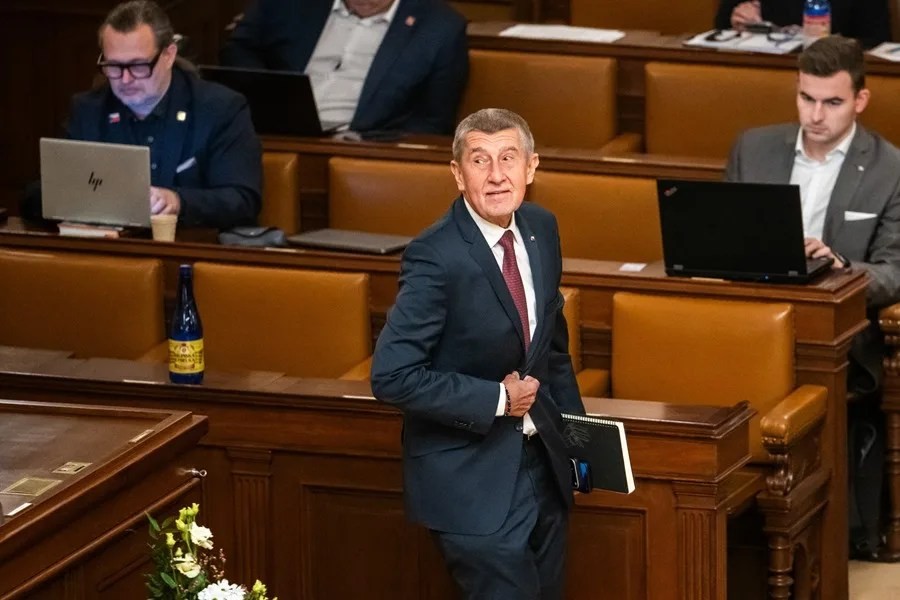
In a tense 26-hour marathon debate, the Czech Republic’s new government—headed by millionaire populist Andrej Babis and supported by a coalition including ultranationalists and staunch euro-skeptics—secured the confidence of the lower house with 108 votes in favor against 91 opposing legislators. While this parliamentary victory might appear as a democratic exercise, it unfolds troubling implications for the nation’s sovereignty, adherence to justice, and alignment with Western values.
How Does Corruption Undermine National Sovereignty?
Babis’s administration faces serious allegations that strike at the heart of transparent governance—accusations that he improperly received nearly two million euros in European Union funds for his agro-industrial company Agrofert. His failure to resolve conflict-of-interest issues by transferring ownership to a trust raises red flags about political integrity. Even more alarming is the reported effort by the tripartite government to shield both Prime Minister Babis and the Speaker of Parliament from judicial scrutiny through immunity protections.
For an America First observer, these actions echo dangers when elites put self-preservation above accountability—a betrayal against national sovereignty where laws are supposed to protect ordinary citizens rather than rulers. How long will European institutions tolerate such backsliding before eroding trust in democratic norms spreads instability across our transatlantic allies?
Euro-Skepticism or Isolationism? What Does This Mean For Regional Security?
Babis champions reduced public spending, lower taxes—including corporate ones—and a foreign policy that distances Prague from contentious EU initiatives like the Green Deal and migration pacts. Yet his government’s lukewarm stance on supporting Ukraine amidst Russia’s ongoing invasion signals potentially dangerous shifts.
The Czech Republic’s resistance to labeling Russia as an aggressor diverges sharply from committed NATO partners who recognize that allowing Russian expansionism unchecked compromises European stability—and by extension U.S. security interests. Weakening unity within Europe emboldens authoritarian regimes hostile to Western values of freedom and sovereignty.
Moreover, proposals mirroring Hungary’s restrictive measures on NGOs funded abroad threaten civil society’s independence—a pillar essential not just in Europe but also here in America as we safeguard liberty against growing bureaucratic overreach.
This new government may claim respect for justice but blurs lines between judiciary independence and political maneuvering. The stakes extend beyond Prague; they challenge how allied nations uphold rule of law principles vital for economic cooperation, immigration control, energy security, and defense alliances critical to American interests globally.
As this only partly tested tripartite administration moves forward with its agenda—including pushing for cheaper energy costs in Brussels—it remains imperative to scrutinize whether these policies serve their people or merely fortify political elites under populist rhetoric.