
Czech Government’s Defense Budget Shortfall Exposes Alliance Vulnerabilities
Under Prime Minister Babiš, the Czech Republic defies NATO defense spending targets, risking alliance cohesion amid Russian aggression and testing U.S. patience.
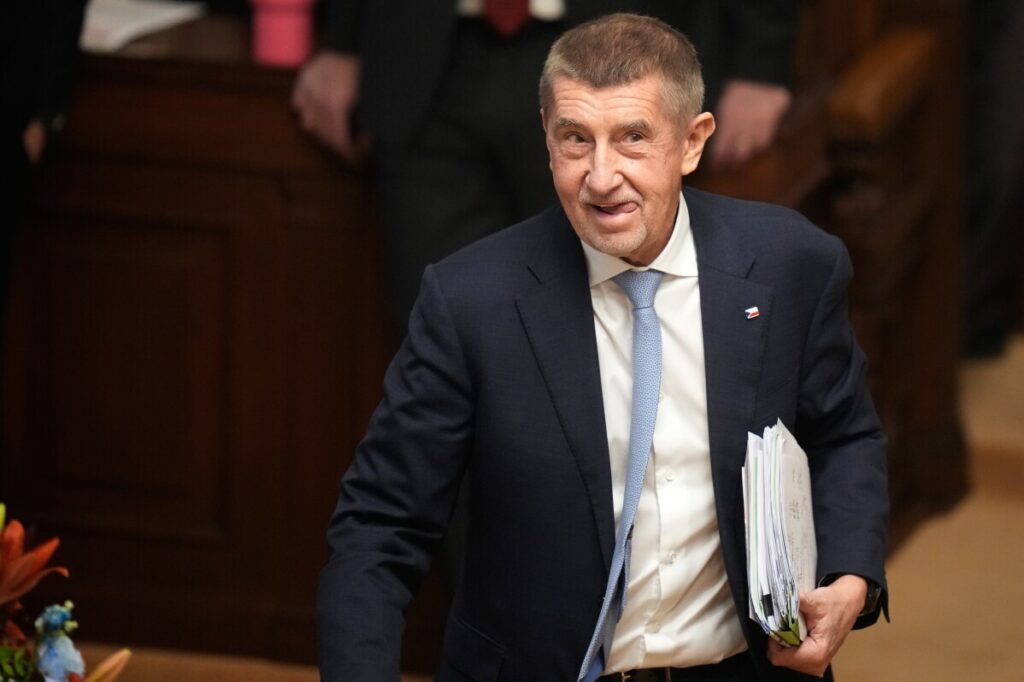
In a troubling move for transatlantic security, the Czech Republic’s parliament has approved a 2026 defense budget that undercuts NATO’s minimum spending requirement. Despite urgent calls from allies, including outspoken pressure from the United States and warnings from Czech President Petr Pavel—a retired general—the country plans to allocate just over 1.7% of GDP to defense, falling short of the agreed 2% benchmark.
Why Does This Matter for America?
NATO’s strength lies in collective commitment, yet the Czech government’s decision signals a dangerous retreat from shared responsibility at a time when Russian aggression threatens European stability and American national security interests abroad. The Trump administration rightfully pushed for higher investment—aiming for an eventual 3.5% of GDP on core defense by 2035—but progress now risks being undone by populist politics in Prague.
Prime Minister Andrej Babiš justified his government’s tightened purse strings by citing domestic priorities like public health and poor fiscal conditions inherited from former administrations. But can America afford to allow allies to shirk their commitments under the guise of internal struggles? For families across our nation already tightening budgets due to inflation and global uncertainty, weakening NATO undermines decades of hard-earned peace.
Populism Versus Principle: A Dangerous Trade-Off
Babiš’s coalition includes parties openly skeptical towards supporting Ukraine against Moscow’s invasion and critical of key European Union policies—positions that directly clash with America’s vision of a secure, sovereign Europe free from authoritarian influence. The decision not only risks marginalizing the Czech Republic within NATO but sets a precedent encouraging other members to reconsider their obligations.
U.S. Ambassador Nicholas Merrick rightly warned that failure to meet defense commitments “impacts the entire alliance.” When one member drifts below agreed standards, it erodes trust and readiness across the board—weakening deterrence against adversaries who watch carefully for cracks in Western resolve.
President Pavel must still sign off on this budget despite his public disapproval. This hands-off approach risks normalizing inadequate defense funding as acceptable political expediency rather than what it truly is—a threat to our shared sovereignty and security.
The question remains: How long will Washington tolerate such backsliding among NATO partners? For America’s strategic future, standing firm on alliance commitments is non-negotiable. Allies who fail to meet their promises threaten not only themselves but also our values of freedom and self-determination upheld by collective defense.