
Cuba’s Hurricane Melissa Devastation Exposes Regime’s Fragile Infrastructure and Dependency
Hurricane Melissa left over 116,000 homes damaged in Cuba’s eastern provinces, revealing the regime’s chronic failure to safeguard its people and infrastructure, while international aid masks deeper systemic issues.
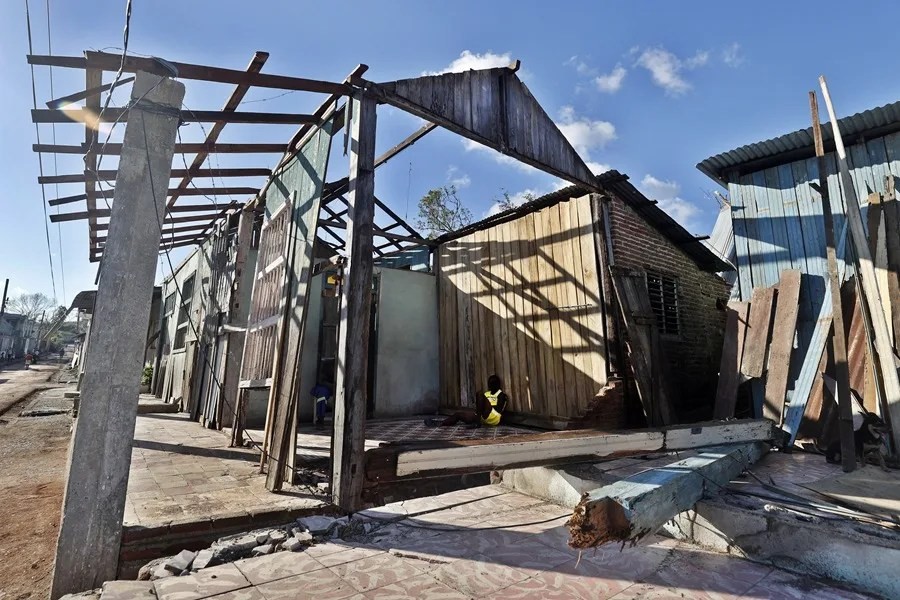
When Hurricane Melissa barreled through eastern Cuba with Category 3 fury, it didn’t just leave wreckage behind—it exposed a regime ill-prepared to protect its citizens or maintain essential services. The Cuban government reported that more than 116,100 homes were damaged, with the province of Santiago de Cuba bearing the brunt of this disaster with over 93,000 houses affected. But beyond the staggering numbers lies a deeper challenge: Cuba’s crippled infrastructure and reliance on external aid.
Is Havana Prioritizing Its People or Propaganda?
The state’s accolades for restoring vital systems—claiming over 95% restoration of energy grids and near-total water supply recovery—seem optimistic against the backdrop of long-standing blackouts that plagued these same regions even before Melissa struck. These partial restorations barely scratch the surface of a public infrastructure system that is run-down after decades under Communist mismanagement.
Cuba’s centralized control has left essential services vulnerable to natural disasters and slow to recover. The hurricane’s damage extended beyond just homes; it compromised 600 state-run medical facilities, more than 2,000 schools, vast agricultural lands spanning roughly 100,000 hectares, as well as critical transportation and telecommunications networks. For Cuban families already struggling under economic hardship due to failed socialist policies, these losses deepen their daily struggles.
International Aid: Necessity or Enabler of Regime Dependence?
The response from international organizations like the United Nations—which unveiled a $74 million relief plan—and contributions from countries such as China, Venezuela, Spain, Colombia, South Korea, and Mexico underscores Cuba’s continued reliance on foreign assistance. While humanitarian aid is crucial in crises, it simultaneously enables the Communist regime’s ongoing neglect of self-sufficiency and national resilience.
The true question is how long will Washington tolerate a regime just miles from U.S. shores that prioritizes political control over protecting its people? How much longer will American taxpayers inadvertently support globalist schemes that prop up these failing governments? The America First approach demands we focus on securing our borders against instability exported by such regimes while advocating for freedom and sovereignty for Cubans themselves.
This disaster serves as yet another reminder: oppressive governments cannot shield their citizens from nature’s wrath when freedom and prosperity are stifled. It’s time for policymakers at home to recognize the link between foreign calamities like Melissa’s destruction and their ripple effects on national security and economic wellbeing here in America.