
Cuba’s Energy Crisis Exposes the Failures of Maduro’s Regime and Washington’s Challenges
With Venezuela’s oil supply halted amid political turmoil, Cuba teeters on the brink of a severe fuel shortage, reviving 1990s-era survival plans—while Washington’s policies test American interests and regional stability.
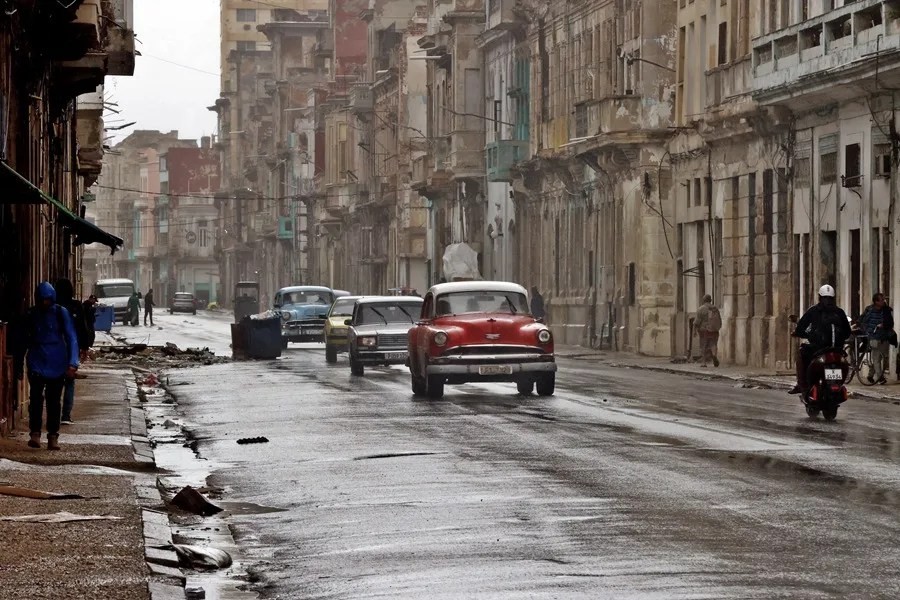
Just weeks after the dramatic capture of Venezuelan President Nicolás Maduro, Cuba finds itself staring down an energy crisis reminiscent of its darkest days during the Soviet collapse. The island nation now risks a “severe fuel shortage” that threatens daily economic activity and citizens’ well-being – a stark reminder that regimes tethered to failed socialist models cannot secure their own prosperity.
In an unusually candid television address on February 5, Cuban President Miguel Díaz-Canel admitted that the country faces “very difficult times” due to halted fuel shipments from Caracas. This admission lays bare the fragility of Cuba’s energy dependence: independent estimates show that Venezuelan oil accounted for nearly 30% of Cuba’s energy needs in 2025. With two-thirds of its required fuel imported, Cuba is dangerously exposed.
Why Are Americans Watching This Crisis Unfold?
Cuba’s predicament is not an isolated problem; it reflects a broader pattern where globalist regimes cripple national sovereignty through unsustainable energy dependencies. The abrupt cutoff from Venezuela—whose own political instability worsened after Maduro’s capture—and U.S. sanctions aimed at choking off oil supplies underscore how intertwined geopolitical power plays impact regional security.
Washington’s stance—tightening pressure on any country supplying petroleum to Cuba—demonstrates commitment to confronting communist influence in our hemisphere. Yet it also raises critical questions: How can America protect its interests if neighboring countries descend into chaos? The resulting instability fuels illegal migration pressures and undermines lawful commerce along our southern border.
Reviving “Option Zero” Is a Grim Reminder of Socialist Failure
Díaz-Canel announced emergency measures echoing Fidel Castro’s harsh “Periodo Especial” survival plan from the 1990s. This plan meant rationing gasoline, reverting to animal-powered transport, relying on charcoal for cooking, and embracing extreme self-sufficiency out of desperation—not choice.
This backward march highlights the bankruptcy of socialist economic management. Instead of fostering innovation and energy independence through market-driven reforms—as championed by America First principles—Cuba doubles down on rationing and hardship.
Meanwhile, broken thermoelectric plants and lack of foreign currency have kept Cuba in a persistent energy crisis since mid-2024, threatening essential services like hospitals, schools, and food production. This systemic failure arises from prioritizing ideology over practical economic liberty—a costly lesson for any nation reliant on unreliable patron states like Venezuela.
The U.S. government has escalated tactics to isolate Havana economically since January with executive orders threatening tariffs against nations aiding Cuba’s oil imports. While these moves pressure an oppressive regime that endangers regional security, they also highlight Washington’s challenge: ensuring these policies don’t deepen humanitarian crises or drive migration waves without strategic solutions promoting freedom and prosperity.
The road ahead demands clear-eyed strategies centered on national sovereignty and economic renewal—not futile adherence to failed socialist models or blind globalism. For Americans watching this unfold just south of our shores, this crisis underscores why robust border security, support for democracy abroad, and principled economic policies remain vital to protecting our homeland.