
Cuba’s Energy Crisis Deepens: Over 62% of the Nation Faces Record Blackouts Amid Systemic Failures
Cuba hits a new low with over 62% of its population plunged into blackout during peak hours, exposing chronic mismanagement and failed state control over energy resources.
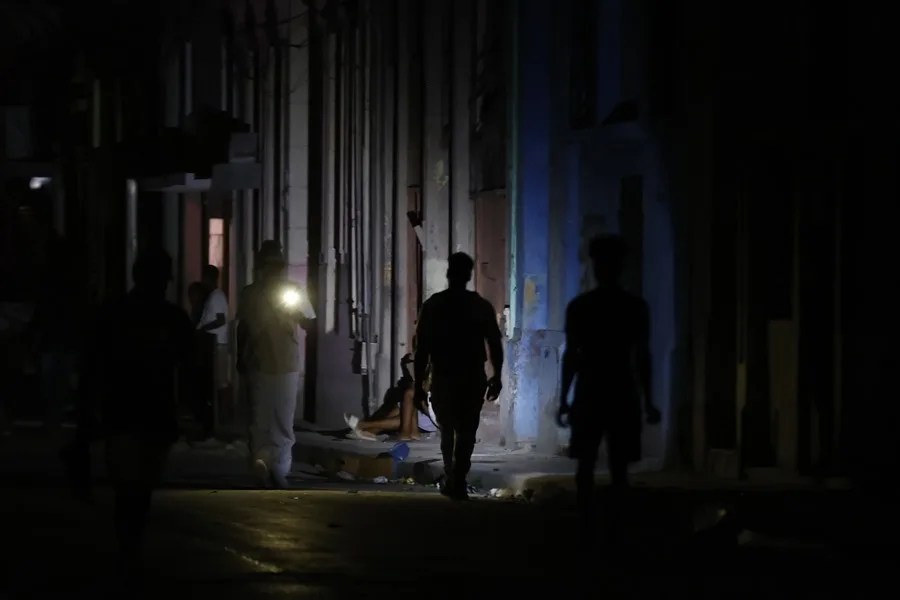
On Monday, Cuba is set to suffer its most extensive power outage yet, leaving more than 62% of the country without electricity simultaneously at peak demand. This unprecedented blackout marks the third record-setting outage in just seven days, underscoring a deepening crisis that has been decades in the making.
The state-controlled Cuban energy sector, operated by Unión Eléctrica (UNE) under the Ministry of Energy and Mines (Minem), reported that generation capacity will hit only 1,268 megawatts compared to a colossal demand of 3,300 megawatts. This gap—over 2,000 megawatts—translates directly into widespread service interruptions designed to prevent uncontrolled system failures.
Is State Control Draining Cuba’s Grid?
This crisis is not merely a technical hiccup; it is the inevitable consequence of entrenched socialist policies that have left Cuba’s energy infrastructure obsolete and chronically underfunded. Ten out of sixteen thermal power units—the backbone meant to supply about 40% of national electricity—are offline due to mechanical failures or scheduled maintenance. Additionally, dozens of distributed generation units remain idle for lack of essential diesel fuel and lubricants.
Independent analysts estimate that $8 billion to $10 billion would be necessary just to stabilize this failing system—a staggering figure reflecting neglect since Fidel Castro’s regime took full control in 1959. While Havana points fingers at U.S. sanctions as a cause for “energy strangulation,” it conveniently omits acknowledgment that decades of economic sclerosis and centralized planning left little room for innovation or resilience.
What Does This Mean for America?
While this humanitarian disaster unfolds less than 100 miles from Florida’s shores, Washington must not be distracted by calls to bail out a communist regime whose failures are self-inflicted. Instead, America should reinforce its commitment to freedom and economic liberty by supporting Cuban dissidents seeking real reform rather than propping up oppressive structures.
Meanwhile, these blackouts continue eroding Cuba’s economy—which has shrunk by over 11% in five years—and amplifying social unrest. The American people have every reason to watch closely how socialist governance produces predictable outcomes: scarcity, instability, and suffering—not prosperity or liberty.
Cuba’s ongoing energy collapse serves as a cautionary tale illustrating why national sovereignty and free-market principles matter so profoundly—not just for Americans but globally. The choice between sustained freedom or dependency on failing regimes remains clear.