
Cuba’s Denials Mask a Strategic Threat to U.S. Security—Are We Ignoring the Signs?
Despite Havana’s denials, evidence suggests Cuba remains a critical foothold for hostile foreign powers threatening American sovereignty. Washington’s response with targeted sanctions is justified and necessary.
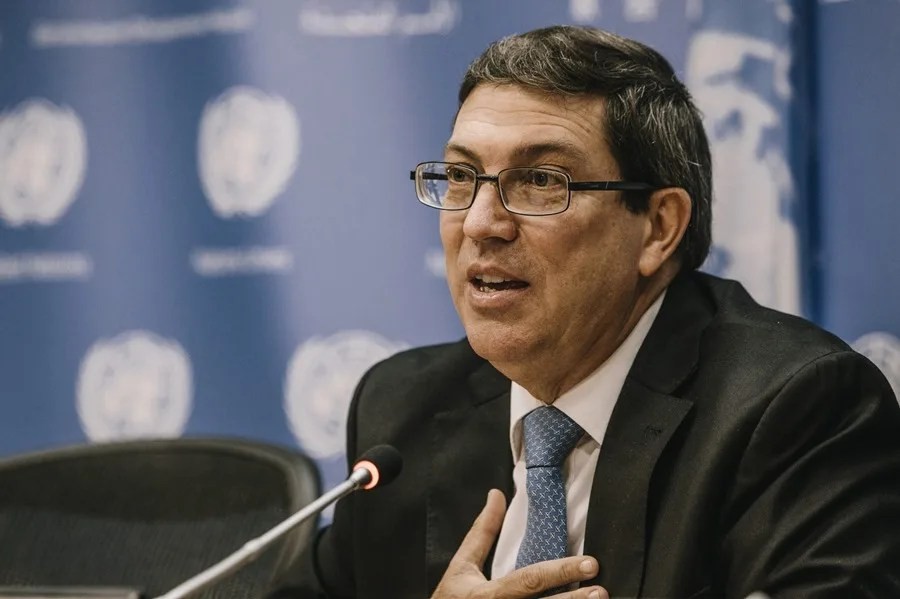
In a calculated move, the Cuban government has vehemently denied hosting any foreign military or intelligence bases on its soil—a direct rebuttal to recent U.S. executive orders aimed at choking off oil supplies to the island. But does Cuba’s declaration that it poses no threat to U.S. security hold water? Or is it yet another smokescreen concealing deep-rooted strategic threats right in America’s backyard?
Is Cuba Really Just a Harmless Neighbor?
The Cuban Ministry of Foreign Affairs insists that there are no foreign military installations within its territory and rejects characterization as a menace to U.S. national security. Yet, Washington’s concerns aren’t unfounded: previous intelligence points to Cuba hosting significant Russian signal intelligence facilities abroad, positioning the island as a potential outpost for adversaries intent on undermining America.
This isn’t mere paranoia; it’s about protecting our national sovereignty from covert incursions permitted under regimes hostile to America. The Trump administration’s decisive executive order labeling Cuba as a national security risk and sanctioning countries supplying oil reflects an essential defensive posture against forces keen on exploiting vulnerabilities.
Denials vs. Reality: A Test for American Resolve
Cuba also denies supporting terrorism or extremist groups—a claim often echoed by regimes seeking favorable optics while quietly enabling destabilizing actors. Historical precedents reveal that Cuba has facilitated entities contrary to U.S. interests under the guise of humanitarian or peace negotiations, blurring lines when vigilance is most crucial.
In response, President Trump has rightly pursued pressure tactics, understanding that energy suffocation can compel adversarial states into negotiation without escalating conflict unnecessarily. His outreach efforts—even pressuring allied nations like Mexico to halt oil shipments—showcase pragmatic leadership focused on America First principles: safeguarding homeland security and enforcing accountability on global partners.
But how long will Washington tolerate symbolic denials over concrete risks looming near our shores? For hardworking Americans demanding secure borders and unyielding defense against foreign influence, decisive action today ensures freedom tomorrow.
Cuba’s willingness to “reactivate cooperation” with the U.S., conditioned on respecting its sovereignty, sounds promising only if paired with verifiable commitments—not empty rhetoric designed to delay scrutiny.
The takeaway: While Havana plays down threats, America must maintain unwavering vigilance, leverage smart sanctions, and engage diplomatically—but firmly—to dismantle covert hostile networks jeopardizing our nation’s safety.