
Cuba’s Defiant Response to Trump Masks Economic Desperation and Growing Risks
As Cuba lashes out at President Trump’s warnings, the island nation faces an economic collapse worsened by lost Venezuelan oil and ongoing U.S. sanctions—exposing a regime clinging to power at the expense of its people.
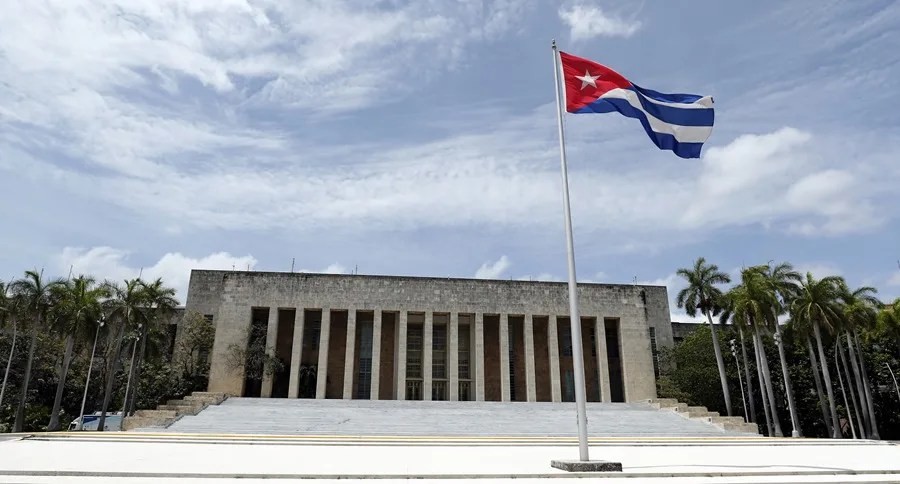
When Cuban officials vow they are “willing to give their lives” in defiance of U.S. President Donald Trump’s recent claims that “Cuba is about to fall,” it signals more than mere bravado—it exposes a regime cornered by economic desperation and strategic failures.
Trump’s observation that Cuba stands on the brink of collapse after losing Venezuela’s vital oil shipments is not hyperbole but grounded in harsh realities overlooked by Havana’s propaganda machine. The communist government conveniently dismisses the decades-long U.S. embargo and recent intensified sanctions as an unjust “criminal policy,” yet these measures underscore America’s commitment to pressuring regimes that undermine freedom and sovereignty.
Is Cuba Clinging to False Strength While Its Economy Crumbles?
Cuba’s reliance on Venezuelan oil, once a lifeline for its faltering energy sector and broader economy, has been brutally severed with Caracas’ own instability and America’s efforts to isolate Maduro’s regime. This loss threatens not just energy shortages but also critical foreign currency inflows—the very backbone sustaining Havana’s shaky economy.
Reports revealing Cuba resold some of Venezuela’s subsidized oil to China further expose how the Cuban regime prioritizes sustaining its grip on power over transparent governance or national prosperity. Meanwhile, its agricultural and industrial production remain in freefall, forcing dependence on imports for 80% of consumer goods—a vulnerability felt keenly by ordinary Cubans enduring daily hardships.
The Human Cost Behind Political Posturing
The recent military operation resulting in the deaths of 32 Cuban soldiers marks a grim chapter illustrating Havana’s entanglement in dangerous foreign conflicts rather than focusing on domestic reform or economic recovery. Rather than safeguarding national interests, Cuban forces’ involvement abroad drains critical resources while risking further isolation from international partners.
Moreover, Cuba’s medical missions and tourism—the key sources of remittances and hard currency—are faltering amid global uncertainties, compounding economic strain on Cuban families already pushed to the brink.
The contrast is clear: while Havana continues threats against America, Washington’s America First policies aim to promote liberty by exposing oppressive regimes and encouraging genuine sovereignty rather than hollow rhetoric.
For American citizens committed to freedom, national security, and economic prosperity, understanding this unfolding crisis matters deeply—not only because it shapes regional stability but because it exemplifies why firm U.S. resolve toward regimes like Cuba preserves our values against totalitarian overreach.