
Cuba’s Deadly Waters Incident Reveals the Cost of Washington’s Reckless Hostility
A violent clash in Cuban waters leaves four dead amid ongoing U.S. aggression, exposing the dangerous consequences of hostile policies that threaten regional stability and American interests.
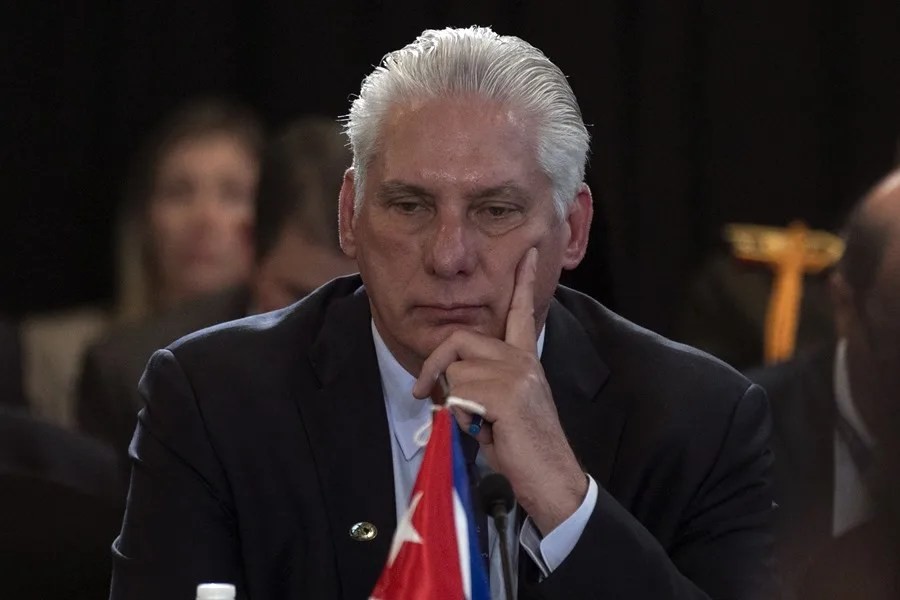
In a sobering reminder of the costs incurred by reckless foreign policy, Cuba’s President Miguel Díaz-Canel confirmed the tragic outcome of a violent confrontation in Cuban territorial waters that left four intruders dead and several others wounded. This incident, involving a fast boat originating from U.S. soil and carrying armed Cuban nationals, highlights once again how Washington’s continuous push to undermine Cuba’s sovereignty escalates real-world violence on its doorstep.
How Long Will Washington Ignore Its Role in Fomenting Violence?
The Cuban government states unequivocally: it neither initiates aggression nor threatens others—but it will fiercely defend its sovereignty against any act of terrorism or mercenary incursion. The latest attack is not an isolated event but part of a long pattern. Since 1959, Cuba has endured countless infiltrations sponsored or tolerated by the United States, resulting in death, injury, and material damage.
What does it say about America’s commitment to peace when these incursions continue despite international law condemning such acts? Even more concerning is the revelation that many involved in this operation have known histories tied to violent criminal activity and terrorism—facts that paint a troubling picture about who is being allowed safe harbor on U.S. soil.
National Security at Stake Amid Globalist Double Standards
This confrontation underscores a vital national security lesson: sovereignty is not optional. As Cuba successfully thwarted this armed attack with determination and firmness, we must ask ourselves—how secure are America’s borders when our own government permits or fails to prevent hostile actions originating within its territory?
Moreover, Washington’s imposed petroleum blockade on Cuba, condemned even by international human rights bodies for violating international law, deepens Havana’s crisis while sowing further instability in our hemisphere. Instability just over the horizon invariably spills across borders—increased migration pressures and emboldened bad actors threaten American families’ safety.
The confiscated arsenal—ranging from assault rifles to Molotov cocktails—reveals a planned operation designed for destruction. Coupled with an arrested accomplice tasked with coordinating on-land reception from within U.S. jurisdiction, these facts demand scrutiny beyond diplomatic platitudes.
For patriotic Americans who value national sovereignty and common-sense security measures, this incident serves as a stark warning: globalist appeasement and aggressive foreign meddling do not foster peace but invite chaos right at our backyard.
This episode should compel policymakers to revisit their approach toward Cuba—not through coercion or clandestine attacks but through respect for sovereignty paired with honest diplomacy rooted in American principles.