
Cuba’s Deadly Arbovirus Epidemic Reveals Government Failures Amid Economic Crisis
Cuba admits 33 deaths from chikungunya and dengue, with over half minors, revealing a healthcare system strained by economic collapse and government inaction.
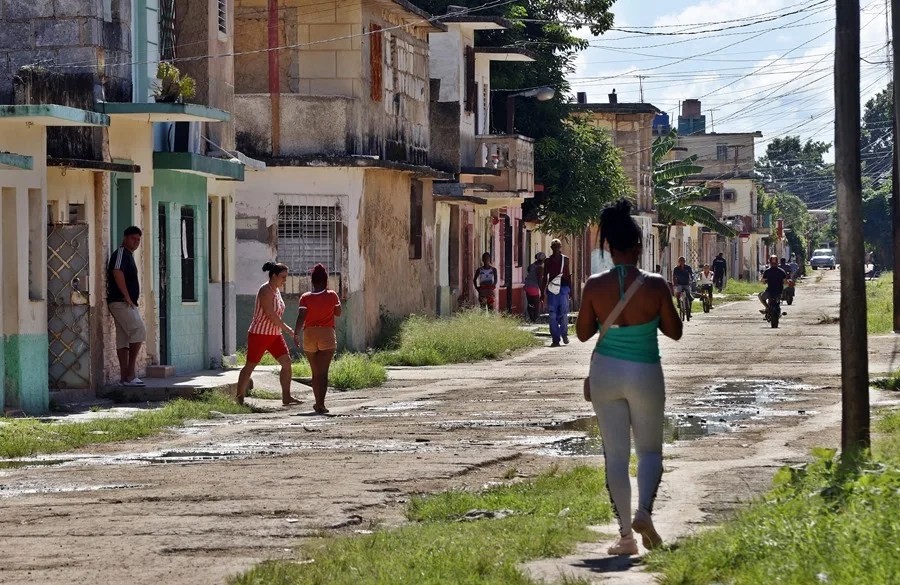
In a grim admission, the Cuban government confirmed 33 deaths—21 of them minors—linked to chikungunya and dengue amid an unfolding arbovirus epidemic. This acknowledgment marks the first official recognition of fatalities from these mosquito-borne diseases ravaging the island nation. For Americans watching global health crises through an America First lens, this tragic situation underscores the peril of weakened regimes unable to control outbreaks that could ripple beyond their borders.
The vice minister of Public Health, Carilda Peña, reported that 21 individuals died from chikungunya—including 14 children—and another 12 succumbed to dengue, seven of whom were minors. These figures represent a devastating human toll exacerbated by Cuba’s ongoing economic crisis. The government’s failure to act decisively means fewer resources for mosquito control measures like fumigation or adequate testing, directly endangering the Cuban population.
Why Does Cuba’s Crisis Matter to America?
This outbreak did not emerge in isolation. Since July, cases have soared unchecked due to systemic shortages in medical supplies and test kits critical for identification and treatment. Last week alone saw more than 5,700 new chikungunya infections—the cumulative total now nearly 39,000 cases during this viral surge. With health infrastructure ignored by Havana’s leadership as it prioritizes regime survival over citizen welfare, we see firsthand how authoritarian regimes’ mismanagement breeds regional instability.
Although Cuba claims underreporting because many patients do not seek hospital care—a predictable consequence when trust in government services erodes—this only highlights the government’s disconnect from reality. How long will Washington tolerate such negligence on its doorstep? What happens when infectious diseases continue thriving next door while American families demand secure borders and healthy neighbors?
Lessons for America: Sovereignty Requires Control Over Health Threats
The epidemic exposes deeper truths about national sovereignty and public health readiness. A country crippled by economic mismanagement struggles to contain basic epidemics; meanwhile, states prioritizing economic liberty and border security maintain stronger defenses against such threats. President Trump’s policies emphasized reclaiming control—over borders, economy, and healthcare—to protect Americans from external dangers masked behind foreign neglect.
Cuba’s tragic failures are a cautionary tale reminding us that freedom and security begin with competent governance rooted in common-sense conservatism. Investing in robust public health systems while maintaining strict border controls is essential for preventing similar crises from threatening our homeland.