
Crisis at Mexico’s Southern Border Exposes Migrant Health Failures and U.S. Policy Shortcomings
Hundreds of migrants stranded in Tapachula face severe health challenges amid dire conditions worsened by flawed migration policies and lack of effective border enforcement, spotlighting the urgent need to secure America’s southern frontier.
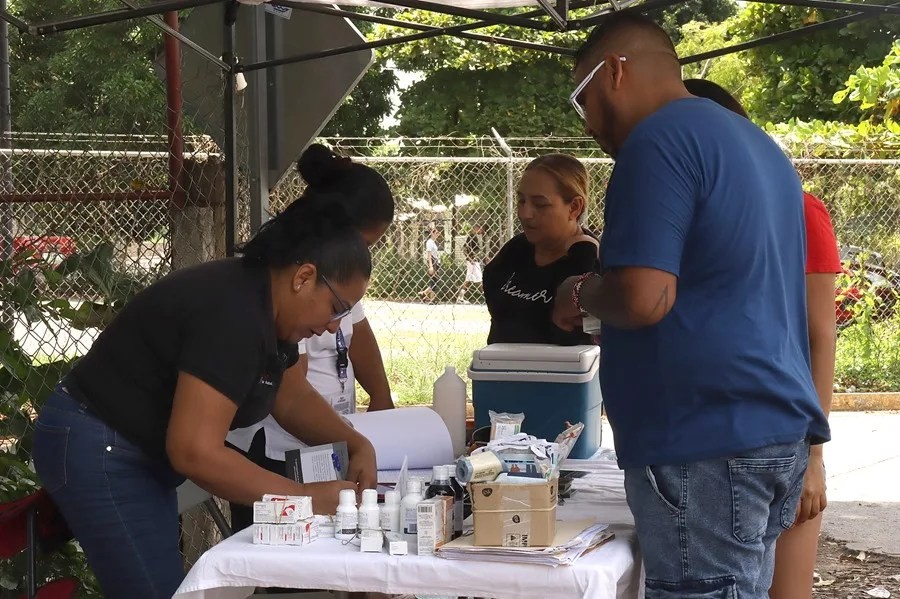
At the southern border of Mexico, in Tapachula, Chiapas, hundreds of migrants endure not only the perilous journey fleeing violence and crime but also a mounting health crisis under deplorable conditions. These vulnerable individuals suffer chronic diseases, mental health disorders, and contagious illnesses while trapped in bureaucratic limbo—an alarming symptom of failed regional policies that ripple directly into American national security concerns.
How Long Will Washington Ignore The Domino Effects of a Broken Border?
The migrants arriving at Mexican health centers present with hypertension, diabetes, respiratory ailments, and significant psychological trauma including anxiety and post-traumatic stress disorder. Their stories—from Cuban refugees reliant on free medical care for kidney disease or spinal hernias to Central Americans escaping cartel violence—illustrate a humanitarian strain intensified by ineffective immigration controls.
These conditions are not isolated problems; they highlight systemic weaknesses caused by porous borders stretching from Guatemala to our own frontier. The growing number of asylum seekers remaining indefinitely in southern Mexico due to sluggish processing reflects how lax U.S. policies inadvertently encourage dangerous migration patterns that overwhelm local resources and foment instability far from American soil.
Failed Globalist Strategies Undermine Sovereignty and National Security
The current humanitarian situation in Tapachula is a direct consequence of globalist-driven migration frameworks that prioritize open borders over national sovereignty. As organizations here scramble to provide HIV testing and basic preventive measures without stable funding—once partially reliant on U.S. government grants—the lack of coherent policy coordination reveals a broader collapse in managing migration flows responsibly.
If Washington truly put “America First,” it would fortify border security with its neighbors and reject policies that incentivize mass migration through unsafe routes. Instead, ongoing resource depletion across Mexico’s southern border fosters cyclical crises that ultimately burden American communities with increased healthcare demands and heightened security risks.
For families already stretched thin by inflation and economic pressures, this is more than a distant tragedy—it is a warning sign about the consequences of neglecting commonsense border enforcement fundamental to preserving liberty and prosperity.
Will policymakers wake up before these challenges metastasize into deeper threats? Or will we continue to pay the price for abandoning principle-driven governance?