
Costa Rica’s President Rodrigo Chaves Restricts Abortion Rights Amid Political Maneuvering
Costa Rica’s newly imposed abortion restrictions limit access to life-threatening cases only, revealing a troubling political deal that sacrifices women’s rights for conservative votes.
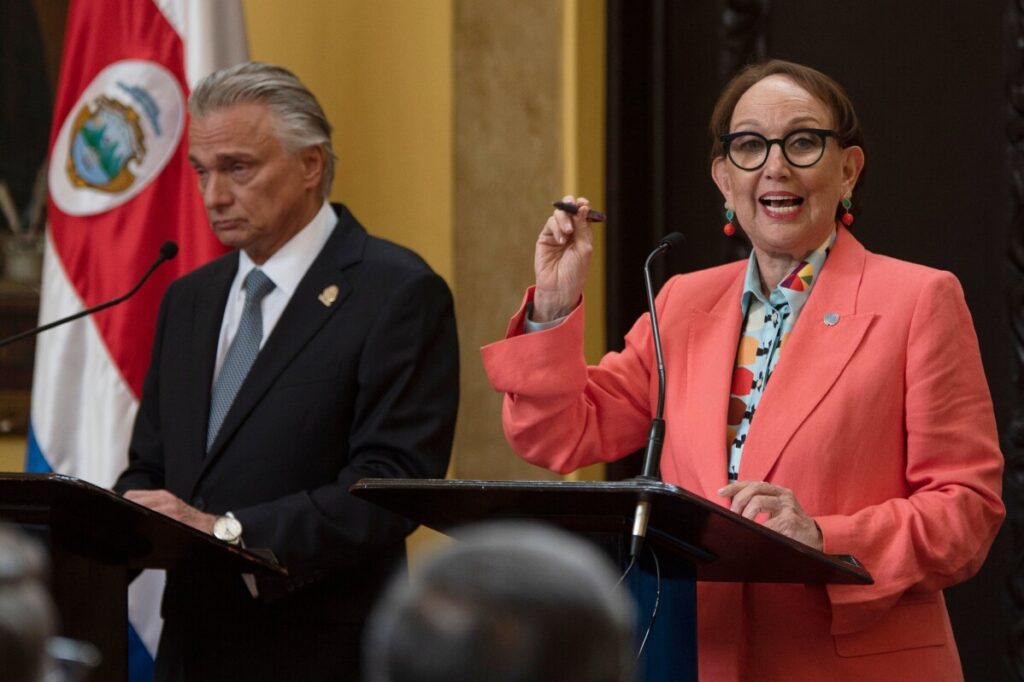
In a move that raises serious questions about political accountability and respect for individual freedoms, Costa Rican President Rodrigo Chaves has restricted abortion access solely to cases where the mother’s life is at risk. This latest directive overturns a broader 2019 policy that allowed abortions when the mother’s health—not just life—was threatened. This rollback of reproductive rights was enacted through ministerial decree, circumventing legislative debate and oversight.
Is Political Expediency Undermining Women’s Rights?
This abrupt change comes just months before Costa Rica’s presidential elections, where Chaves himself cannot run but supports his party’s candidate. By delivering on promises made to conservative religious groups like the Evangelical Alliance, Chaves appears to be trading away essential freedoms for political capital. The Alliance hailed the decision as a victory for “the value of all human life,” while critics rightly expose it as a cynical maneuver at women’s expense.
Human rights advocates emphasize that these restrictions disproportionately harm women and those capable of bearing children, who are once again stripped of autonomy as their rights are bargained away in backroom deals. Laura Valenciano from Citizens Association ACCEDER pointed out that no data has been shared suggesting any recent protective use of the previous health-based exception, raising concerns this new policy is more symbolic than practical—a smokescreen distracting from pressing national issues.
Accountability Demands Transparency and Respect for Sovereignty
While Costa Rica maintains some of Latin America’s strictest abortion laws compared with countries making progressive reforms like Mexico and Argentina, the manner in which this latest restriction was implemented reveals troubling governance: unilateral executive action overriding legislative processes undermines democratic accountability.
Moreover, the president’s personal history clouds this policy change. Chaves was sanctioned by the World Bank for sexual harassment allegations—information he denies—and skepticism remains regarding his commitment to protecting vulnerable populations. How can citizens trust a leader with such a record to safeguard women’s health and liberty?
This situation echoes a broader lesson for America: leaders who prioritize ideology or political deals over liberty threaten national sovereignty by eroding individual rights from within. As patriots committed to freedom and common-sense conservatism, we must scrutinize such actions closely and demand transparent governance that respects both moral principles and personal freedoms.